
Beautiful Plants For Your Interior
Beautiful Plants For Your Interior
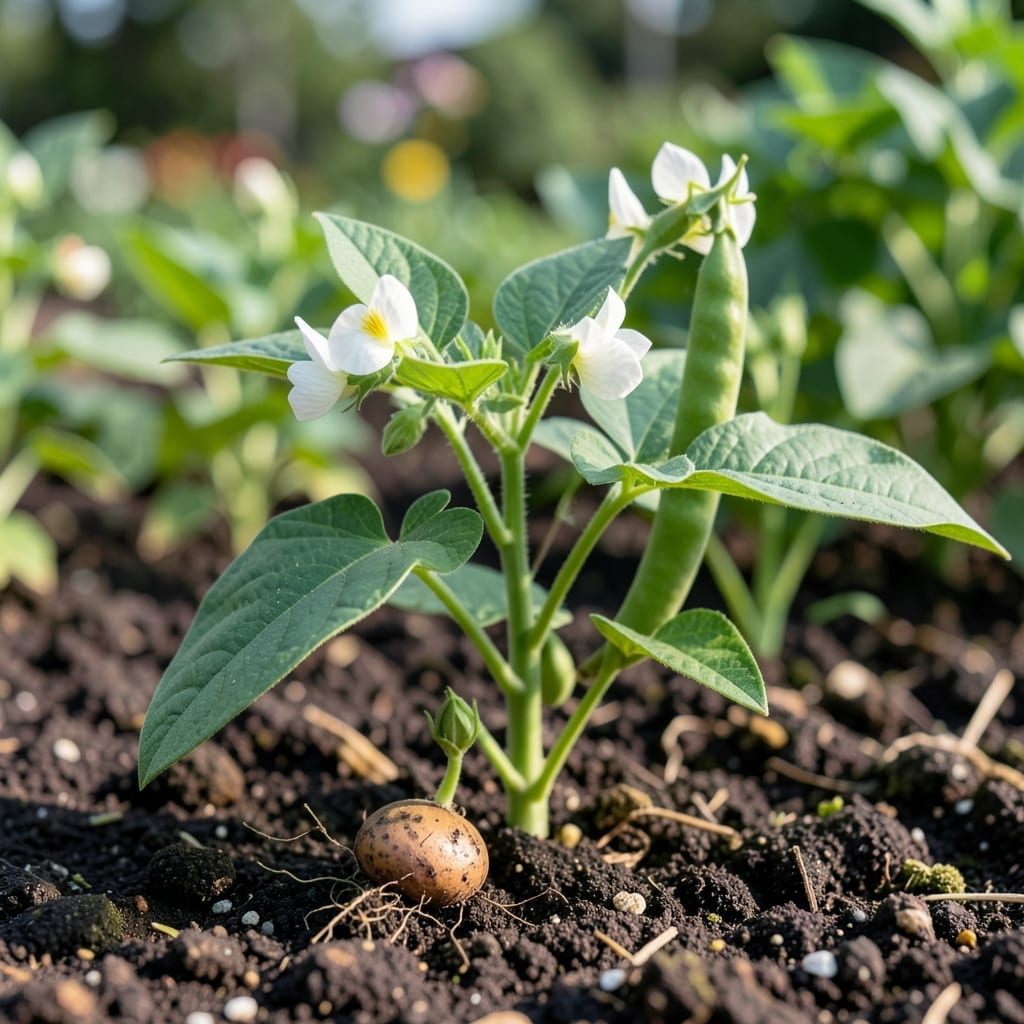
Every thriving garden begins with a tiny 🌱 Generic Seed, but its journey is nothing short of magical. From dormancy to full growth, each stage holds secrets to a successful harvest.
I’ve watched countless seeds transform in my own garden, and understanding this process changed how I plant. Whether you’re a beginner or seasoned gardener, grasping these stages is the key to healthier plants.
Let me walk you through the most important phases and how to nurture your Generic Seed at every step. The results might surprise you.
Every seed life cycle begins with dormancy, a resting phase where the seed waits for ideal conditions. I’ve seen seeds stay dormant for years until moisture, warmth, and light trigger germination. This stage is all about patience and preparation as the seed conserves energy.
Once conditions are right, germination kicks in, and the seed absorbs water, swells, and breaks its outer shell. The radicle (root) emerges first, anchoring the seed while the shoot pushes upward. This is when I get most excited—new life is visibly beginning!
| Stage | Key Process | Duration |
|---|---|---|
| Dormancy | Seed waits for ideal conditions | Weeks to years |
| Germination | Root and shoot emerge | 3-10 days |
| Seedling | First leaves appear | 2-4 weeks |
| Maturation | Plant grows stems and leaves | 4-12 weeks |
| Reproduction | Flowers and seeds develop | Varies by plant |
The seedling stage is next, where the plant develops its first true leaves. I always ensure seedlings get plenty of light and consistent moisture to prevent leggy growth. At this point, the plant is vulnerable but rapidly growing.
As the seedling matures, it enters the vegetative stage, focusing on stem and leaf growth. This is when I start fertilizing lightly to support development. The plant’s energy is directed toward building a strong structure.
The reproduction stage is where flowers, fruits, or seeds form, depending on the plant type. I monitor for pests and diseases during this critical phase. Proper pollination is key for seed-bearing plants.
Finally, seed dispersal completes the cycle. Seeds are released through wind, water, or animals to start the process anew. I often collect seeds from my healthiest plants to replant next season.
Each stage has unique care requirements, and missing a step can stunt growth. I’ve learned that consistent observation helps catch issues early. For example, yellowing leaves may signal overwatering.
Understanding these stages allows me to time planting for my climate. Cool-season crops thrive in early spring, while warm-season varieties need summer heat. Always check your USDA zone for best results.
With this knowledge, you’ll nurture seeds into thriving plants with confidence 🌱
Every stage of the seed life cycle depends heavily on environmental conditions. I’ve learned that water, temperature, light, and soil quality can make or break germination success. Even the best seeds won’t thrive without the right setup.
For example, most seeds need consistent moisture to soften their outer shell and activate enzymes. But too much water can drown them. I aim for moist but well-draining soil to balance hydration and oxygen access.
Temperature plays a huge role too. I use a soil thermometer to check conditions before planting. Cool-season crops like spinach or peas can germinate at 40-50°F, while warm-season plants need warmer soil.
Light requirements vary by seed type. I’ve had success covering trays with plastic wrap to retain moisture until germination, then moving them to bright, indirect light. Once sprouted, most seedlings need 12-16 hours of light daily.
Soil quality can’t be overlooked. I mix compost or peat moss into my seed-starting mix for better drainage and nutrient content. Poor soil often leads to weak, stunted seedlings that struggle to mature.
Finally, I watch for environmental stressors like extreme heat or cold snaps. Using row covers or starting seeds indoors helps me control conditions. With these adjustments, I’ve seen faster, stronger growth in my garden 🌱