
Beautiful Plants For Your Interior
Beautiful Plants For Your Interior
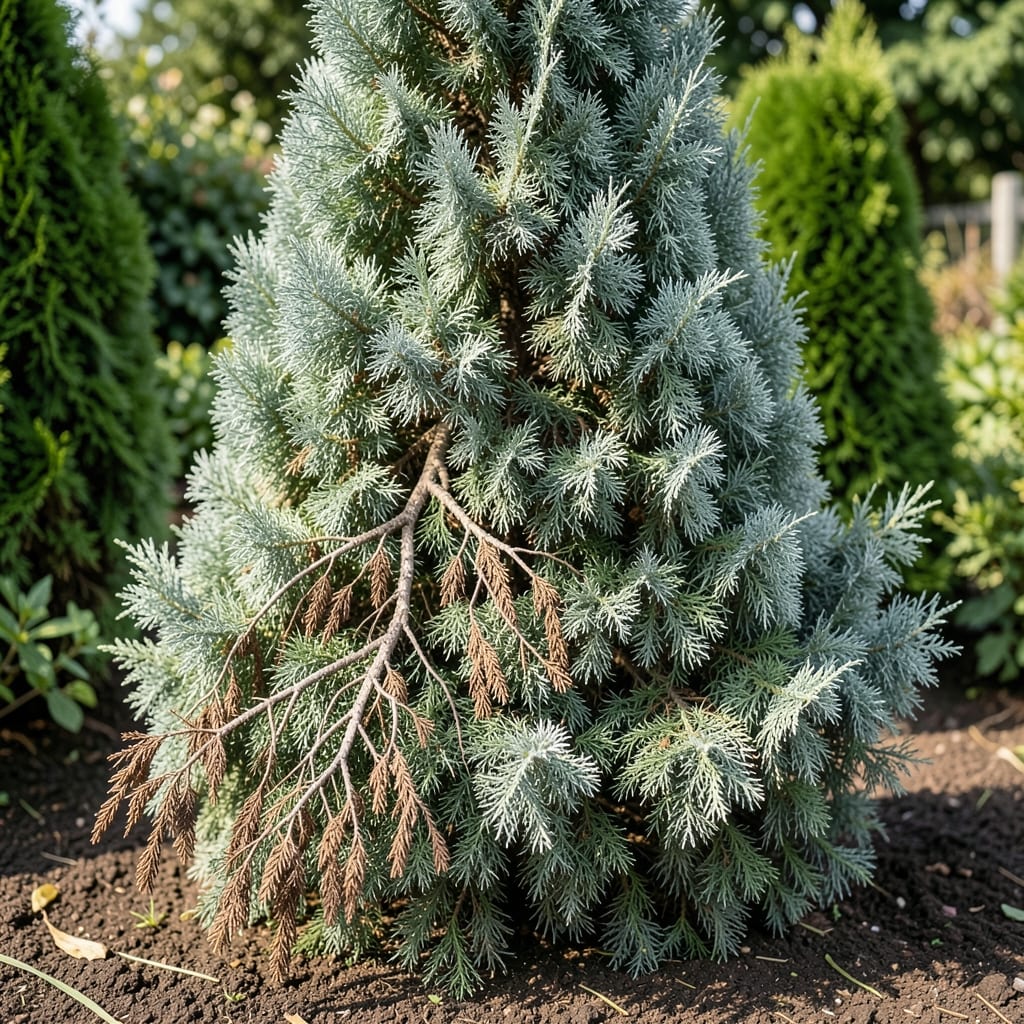
My Leyland cypress row went from lush green to brown crisp in 3 weeks. If you’ve spotted discolored foliage or dying branches on yours, you’re likely facing one of the common diseases that target these trees.
I learned the hard way that early identification is everything. Canker, blight, or needle cast each show distinct symptoms, but they all spread quickly if ignored. The key is catching the first signs before the damage becomes irreversible.
Treatment works best when you act fast with the right approach. I’ve saved trees by pruning affected areas, improving air circulation, and applying targeted fungicides at the first sign of trouble.
Prevention is simpler than cure. Proper spacing, consistent watering, and regular inspections keep these trees thriving for years. Here’s how to protect your investment.
Leyland cypress diseases often stem from environmental stress, fungal pathogens, or poor cultural practices. Understanding these triggers helps prevent and manage infections effectively.
Overwatering or heavy clay soils create stagnant water around roots, fostering Phytophthora and other root-rot fungi. These pathogens thrive in waterlogged conditions, breaking down root tissues and cutting off nutrient uptake. Solution: Amend soil with organic matter and ensure proper drainage to keep roots healthy.
Common culprits like Cercospora (leaf blight) and Seiridium (canker) spread via spores in wind or rain. Stress from drought or injury makes trees more susceptible. Action: Prune infected branches immediately and apply fungicides before symptoms worsen.
Drought, extreme heat, or winter burn weaken Leyland cypress, leaving them vulnerable to pests and disease. Stress reduces the tree’s natural defenses, allowing opportunistic pathogens to take hold. Tip: Mulch and water deeply during dry spells to maintain vigor.
Dense plantings trap humidity, promoting fungal growth like Botryosphaeria canker. Thin out crowded branches to improve airflow and reduce moisture buildup on foliage.
Once you’ve identified the issue, taking quick and targeted action can help save your Leyland cypress. Below are practical solutions mapped to common causes, along with prevention tips to keep your trees healthy long-term.
Fix: Prune out infected branches immediately—cut at least 4–6 inches below visible cankers. Sterilize pruning tools with rubbing alcohol between cuts to avoid spreading spores. Dispose of diseased wood far from the tree. For severe cases, apply a copper-based fungicide per label instructions.
Prevention: Improve airflow by spacing trees at least 8–10 feet apart. Avoid overhead watering, and water at the base early in the day. 💡 Pro tip: Mulch with organic material to reduce soil-borne fungal spores.
Fix: Stop watering immediately and let the soil dry out. Improve drainage by amending heavy clay soil with compost or sand. If the tree is in a low spot, consider installing a French drain. Trim back affected roots and treat with a biological fungicide containing Bacillus or Trichoderma.
Prevention: Plant Leyland cypress in well-draining soil and avoid overwatering. Ensure pots or planting sites have proper drainage holes. 🎯 Pro tip: Use a moisture meter to monitor soil before watering.
Fix: Blast spider mites off with a strong stream of water, or apply insecticidal soap or horticultural oil. For bagworms, handpick and destroy the bags, then treat with Bacillus thuringiensis (Bt) for young larvae.
Prevention: Encourage natural predators like ladybugs and lacewings. Inspect trees regularly, especially in early summer when pests are most active. ✨ Pro tip: Avoid broad-spectrum pesticides that kill beneficial insects.
Look for brown or black lesions on branches, wilting foliage, or stunted growth. Seiridium canker often creates sunken, oozing areas on stems, while Botryosphaeria causes dieback from the top down.
Ensure proper drainage by planting in well-draining soil and avoiding overwatering. Amend heavy clay with compost and use a moisture meter to check soil before watering.
If less than 30% of the tree is affected, prune infected branches 4-6 inches below cankers and apply fungicide. For severe cases, removal may be necessary to protect nearby trees.
Check your trees weekly during growing season and after storms. Early detection of discoloration or lesions allows for quicker treatment and better recovery chances.