
Beautiful Plants For Your Interior
Beautiful Plants For Your Interior
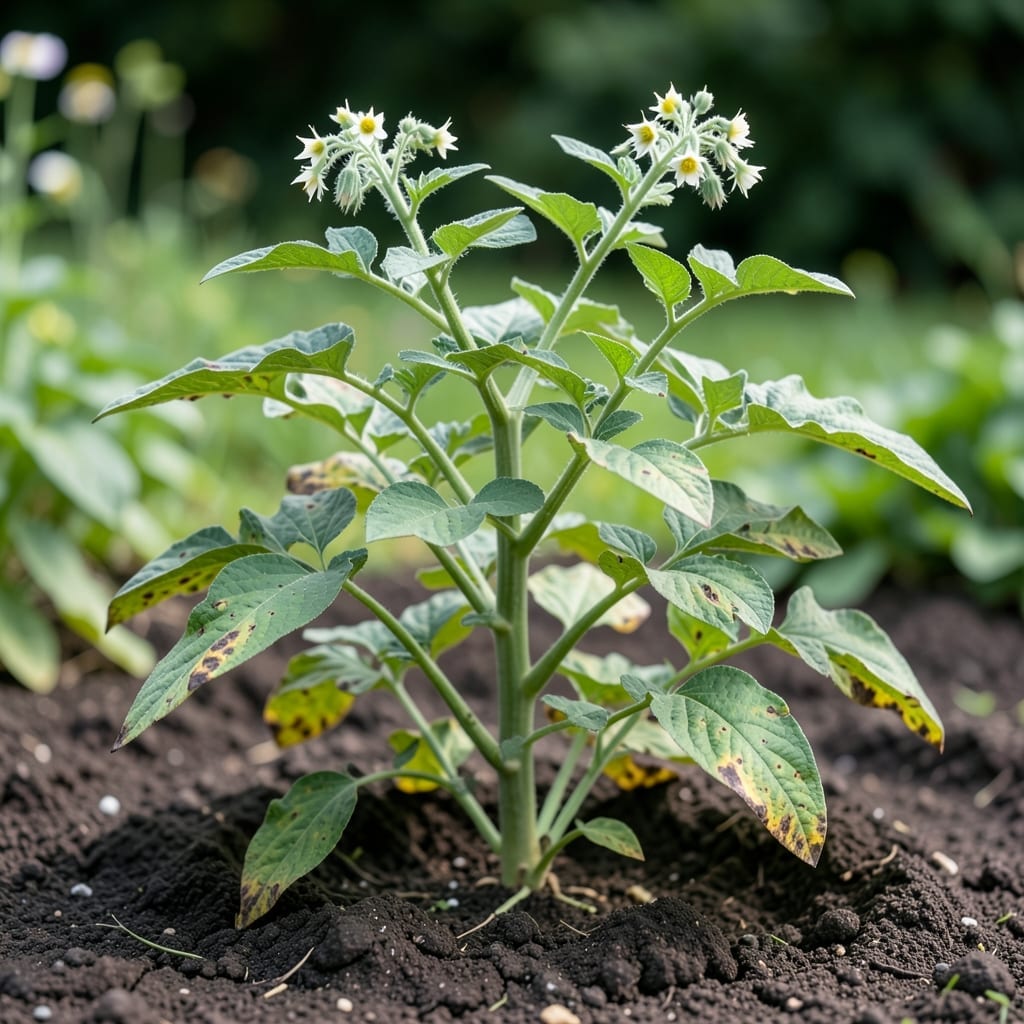
Spotted brown patches on your potato leaves? That’s the first red flag. I’ve lost entire crops to blight before learning to catch it early—dark spots with yellow halos spreading fast in wet weather.
It thrives in cool, damp conditions, so morning dew or frequent rain creates the perfect storm. The fungus spreads through soil and air, attacking leaves first before moving to tubers if left unchecked.
Remove infected leaves immediately and stop overhead watering. Copper-based sprays can slow it down, but prevention—crop rotation and resistant varieties—is your best defense.
Works for backyard plots or container potatoes. Act fast, and you might still save the harvest.
Potato blight, particularly Phytophthora infestans (late blight), thrives under specific environmental and agricultural conditions. Here’s why it happens, broken down by primary causes:
Blight spores spread rapidly in wet, humid conditions. Frequent rainfall, overhead irrigation, or poor drainage creates a perfect breeding ground. Leaves stay damp for extended periods, allowing spores to germinate and infect tissue within hours. Actionable fix: Improve ventilation, use drip irrigation, and space plants for airflow.
The pathogen activates in cool (50–78°F / 10–25°C) yet moist environments. Sudden temperature drops (e.g., cool nights after warm days) stress plants, weakening their defenses. Monitor forecasts: Cover plants or apply preventative sprays before predicted cool, wet spells.
Blight survives in contaminated seed potatoes or soil debris from previous crops. Planting infected tubers or failing to rotate crops introduces the pathogen directly to new plants. Solution: Use certified disease-free seeds and practice a 3-year rotation with non-solanaceous crops.
Dense plantings or overgrown foliage trap moisture, accelerating spore dispersal. Thin seedlings early and prune lower leaves to enhance airflow. Avoid shading from taller crops or structures.
Spores hitch rides on gardening tools, gloves, or even rainfall splash. Sanitize equipment with a 10% bleach solution between uses, and avoid working with wet plants to prevent spread.
Combating potato blight starts with quick action and consistent care. Below are targeted solutions for the most common causes of blight, paired with prevention tips to keep your plants healthy long-term.
If you spot dark, water-soaked spots on leaves, act fast. Remove infected leaves and stems immediately to prevent the fungus from spreading. Dispose of them in sealed bags—not compost—to avoid contamination. Apply a copper-based fungicide or a homemade spray of baking soda and water (1 tablespoon per gallon) every 7–10 days. For organic growers, Bacillus subtilis or neem oil can help suppress fungal growth.
Blight thrives in damp conditions. Water at the base of plants early in the day so foliage dries quickly. Use drip irrigation to keep leaves dry, and ensure soil drains well. If your garden retains water, amend the soil with compost or plant in raised beds. Prevention tip: Space plants 12–18 inches apart for airflow. 🌬️
Crowded plants trap moisture, creating a blight-friendly environment. Prune lower leaves to boost airflow, and stake tall varieties to keep them upright. In greenhouses, use fans to circulate air. Pro tip: Rotate crops yearly to avoid buildup of pathogens in the soil. ✨
If blight persists, the soil may harbor spores. Solarize the bed by covering it with clear plastic for 4–6 weeks in summer to kill pathogens. Alternatively, plant a cover crop like mustard or clover to suppress fungi. Always rotate potatoes with non-host crops (e.g., corn or beans) for at least 3 years.
Prevention is key: Start with disease-resistant potato varieties like ‘Defender’ or ‘Kennebec,’ and inspect plants weekly for early signs. 🎯
Look for dark brown or black spots with yellow halos on leaves. These often appear after rainy or humid periods and spread quickly.
Yes, but only if done early. Remove affected leaves immediately and dispose of them in sealed bags to prevent spores from spreading further.
Solarize the soil with clear plastic for 4-6 weeks in summer or plant a cover crop like mustard to suppress lingering spores.
Yes! Try ‘Defender’ or ‘Kennebec’—these varieties show stronger resistance to blight and are great for prevention.