
Beautiful Plants For Your Interior
Beautiful Plants For Your Interior
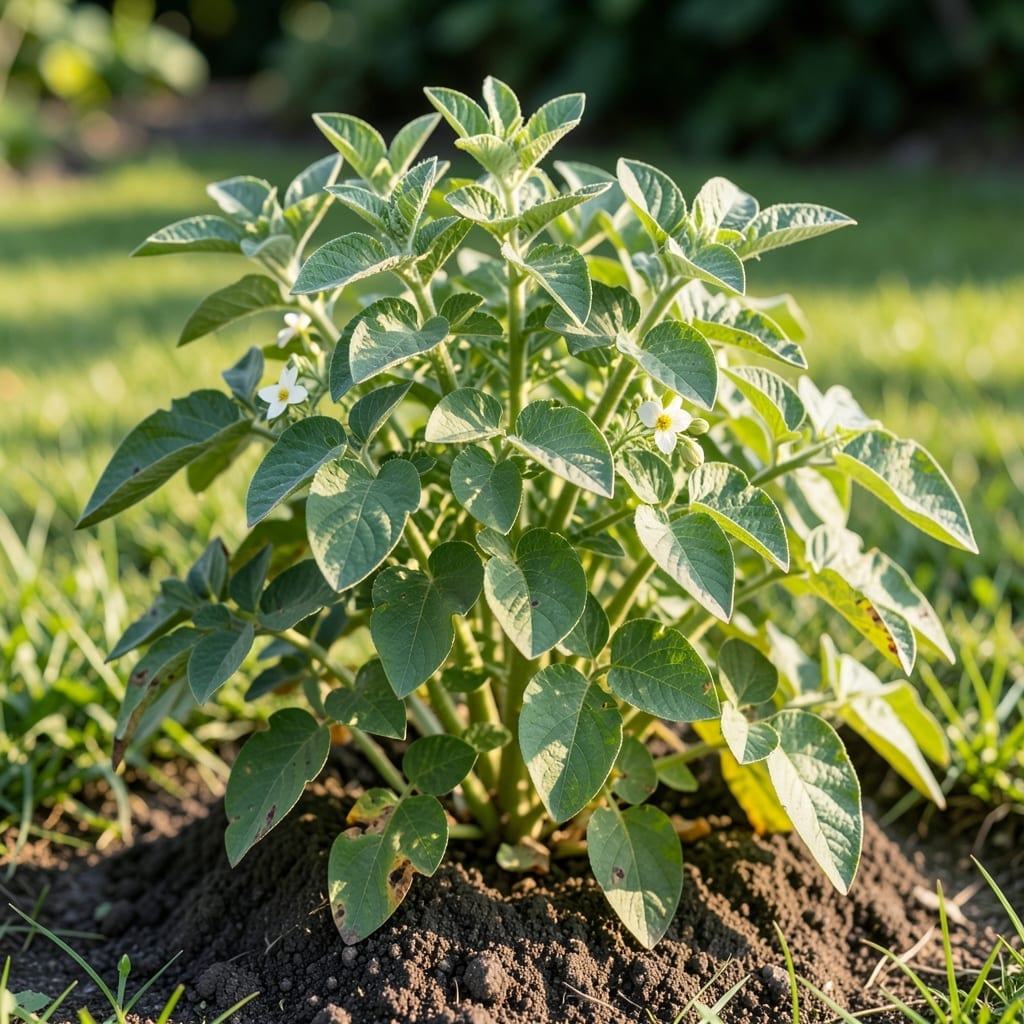
Those brown spots on your potato leaves aren’t just ugly—they’re a warning. I’ve lost entire crops to this before learning how to catch it early.
Early blight starts small but spreads fast, especially in wet weather. The good news? It’s treatable if you act before it reaches the tubers.
You’ll need to remove infected leaves, adjust watering, and apply the right treatment. Within 2 weeks, you should see the spread stop.
Prevention is simpler than cure: proper spacing, crop rotation, and keeping foliage dry. Here’s exactly how to save your plants.
Brown spots on potato leaf tips often signal underlying issues that disrupt plant health. Here are the most common causes, explained simply:
Alternaria solani, the fungus behind early blight, thrives in warm, humid conditions. It attacks older leaves first, creating dark, concentric rings on tips and edges. Spores spread via wind or water, so overhead irrigation worsens the problem. Action: Remove infected foliage immediately and improve air circulation.
Inconsistent watering—either drought or waterlogging—stresses potatoes, leading to tip burn. Overwatering suffocates roots, while underwatering causes nutrient uptake failure. Action: Maintain even soil moisture (1–2 inches of water weekly) and use drip irrigation to avoid wetting leaves.
Extreme heat or cold shocks potato plants, causing scorch—brown, crispy tips. High temperatures (above 85°F) accelerate moisture loss, while frost damages cells. Action: Provide afternoon shade in heatwaves and use row covers for frost protection.
Potassium or magnesium shortages often manifest as leaf tip necrosis. Potatoes need potassium for disease resistance; without it, edges brown and curl. Action: Test soil and amend with potassium sulfate or compost. Avoid excess nitrogen, which promotes leafy growth over tubers.
Sap-sucking pests like aphids or potato psyllids weaken plants, leaving stippled or brown-tipped leaves. Their feeding introduces toxins and spreads viruses. Action: Inspect undersides of leaves and treat with neem oil or insecticidal soap at first sign.
Addressing brown spots on potato leaf tips starts with pinpointing the cause. Here’s a clear, actionable guide to treat and prevent each issue:
Remove infected leaves immediately to stop the spread. Apply copper-based fungicides or a baking soda spray (1 tbsp baking soda + 1 tsp dish soap + 1 gallon water) every 7–10 days. Prevention: Rotate crops, avoid overhead watering, and space plants for airflow. 💡 Pro tip: Mulch with straw to reduce soil-borne spores splashing onto leaves.
Check soil moisture 1–2 inches deep. If bone-dry, water deeply at the base (not leaves) in the morning. If soggy, improve drainage by amending soil with compost or sand. Prevention: Use drip irrigation and water only when the top inch of soil feels dry. 💧
Yellowing tips with brown edges often signal potassium or magnesium shortage. Apply a balanced fertilizer (e.g., 10-10-10) or add wood ash (for potassium) or Epsom salt (1 tbsp/gallon for magnesium) to the soil. Prevention: Test soil annually and amend before planting. ✨
Inspect leaves for aphids or flea beetles. Blast off pests with water or apply neem oil (mix 2 tbsp oil + 1 tsp soap + 1 quart water). Prevention: Encourage beneficial insects like ladybugs and use row covers early in the season. 🎯
Shield plants with 30% shade cloth during peak afternoon heat. Ensure consistent watering to help plants cope. Prevention: Plant in partial shade if your climate has intense summers. 🌡️
Act quickly at the first sign of trouble, and your potato plants will thank you with a healthy, bountiful harvest!
Yes, the tubers are usually safe if the disease hasn’t spread underground. Harvest and inspect them carefully. Discard any with dark spots or rot.
It can move quickly in warm, wet conditions—sometimes covering a plant in 1-2 weeks. Remove infected leaves immediately to slow progression.
Not always. Overwatering can worsen the problem. Check soil moisture first—water only if the top 1-2 inches are dry.
A baking soda spray (1 tbsp baking soda + 1 tsp dish soap + 1 gallon water) works well against fungal issues. Apply every 7-10 days.