
Beautiful Plants For Your Interior
Beautiful Plants For Your Interior
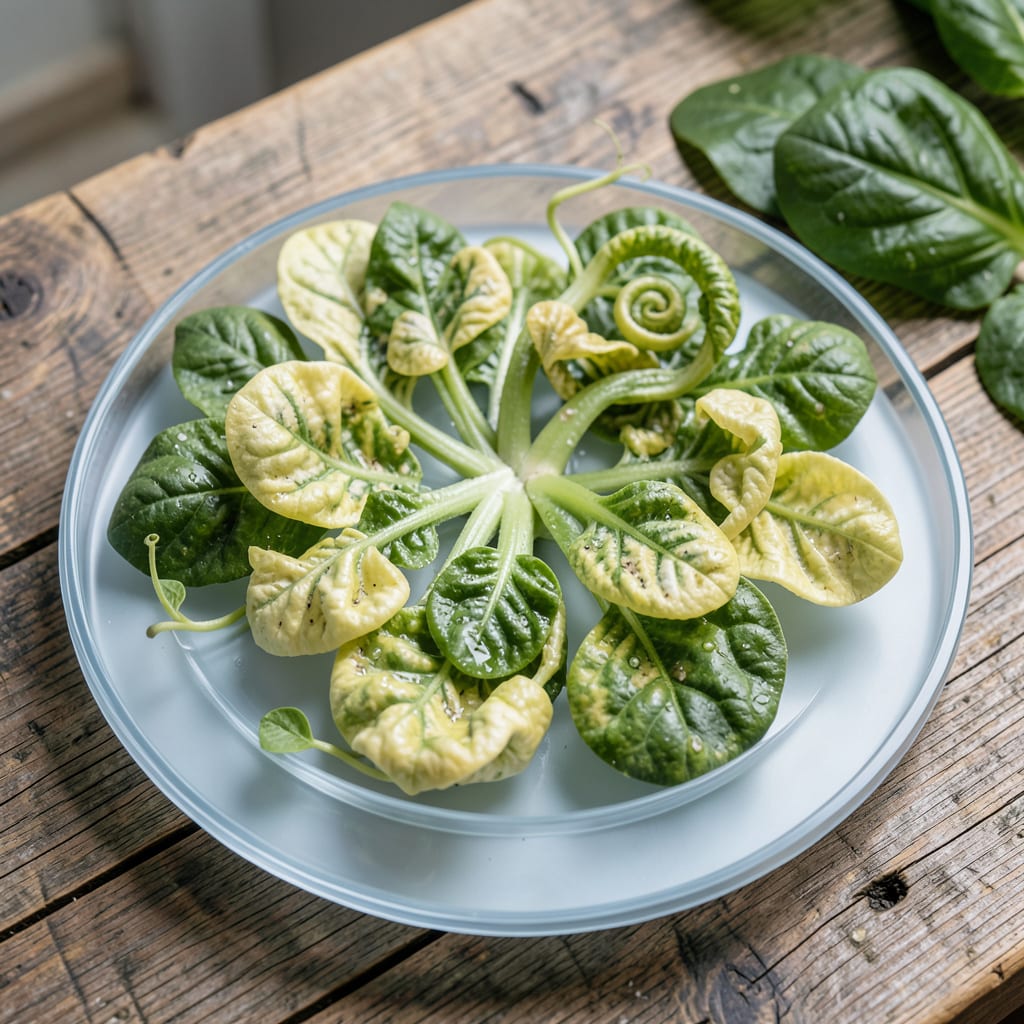
I lost half my potato crop to this last season. Leaf curl virus sneaks in quietly, turning healthy plants into twisted, yellowed messes before you realize what’s happening.
The first sign is usually leaves curling upward, then stunted growth and that sickly yellow tint. It spreads through whiteflies and infected plant material, so early detection is your best defense against a full-blown outbreak.
Prevention starts with clean seed potatoes and resistant varieties. I now inspect leaves weekly and remove anything suspicious immediately—no second chances with this one.
Your reward? A healthy harvest that doesn’t leave you kicking yourself over what could’ve been. Here’s how to spot it and stop it.
The potato leaf curl virus doesn’t appear out of thin air—it’s spread and triggered by specific environmental and biological factors. Understanding these causes helps growers take targeted action to protect their crops. Below are the primary reasons this virus takes hold.
The most common vector for this virus is the Bemisia tabaci whitefly. These tiny, sap-sucking insects transmit the virus from infected plants to healthy ones during feeding. A single whitefly can infect multiple plants in a field, making early detection and control critical. Action: Use yellow sticky traps and introduce natural predators like parasitic wasps to reduce whitefly populations.
Using contaminated seed potatoes or cuttings is another major cause. The virus can lie dormant in planting material, only showing symptoms after the crop is established. Action: Always source certified disease-free seeds and inspect planting material for signs of curling or yellowing before use.
Plants under stress—from drought, poor soil health, or extreme temperatures—are more susceptible to viral infections. Weakened plants lack the vigor to resist pathogens effectively. Action: Maintain optimal growing conditions with consistent irrigation, balanced fertilization, and proper spacing to reduce stress.
Monoculture practices or short crop rotations allow the virus to persist in the soil or on residual plant debris. Without breaks, the pathogen easily carries over to the next planting season. Action: Rotate potatoes with non-host crops like legumes or grains for at least 2–3 years to break the virus’s lifecycle.
Combating potato leaf curl virus requires a mix of immediate action and long-term prevention. Here’s how to tackle each cause and safeguard your crop:
If you spot curled, yellowing, or stunted leaves, pull and destroy infected plants immediately. This prevents the virus from spreading to healthy crops. Burn or bury the plants—do not compost them, as the virus can persist. Sterilize tools with rubbing alcohol afterward to avoid contamination.
Whiteflies are the primary carriers of the virus. Use yellow sticky traps to monitor and reduce their numbers. For severe infestations, apply neem oil or insecticidal soap, focusing on the undersides of leaves where whiteflies congregate. Introducing natural predators like ladybugs or lacewings can also help keep their population in check.
Opt for potato varieties bred to resist the virus, such as ‘Kennebec’ or ‘Russet Burbank’. Check with local agricultural extensions for region-specific resistant strains. Rotate crops yearly to disrupt the virus’s lifecycle and reduce soil-borne risks.
🎯 Pro tip: Inspect plants weekly for early signs of infection—early detection makes control far easier!
Look for upward-curling leaves that turn yellow and feel brittle. Stunted growth and reduced yield are also common signs. Inspect the undersides of leaves for whiteflies, which often spread the issue.
No, once a plant shows symptoms, it cannot be cured. Remove and destroy it immediately to prevent spreading. Never compost infected plants, as the virus can survive and reinfect future crops.
Use yellow sticky traps and introduce natural predators like ladybugs. Install fine-mesh netting over crops to block whiteflies. Avoid over-fertilizing, which can attract more pests.
