
Beautiful Plants For Your Interior
Beautiful Plants For Your Interior
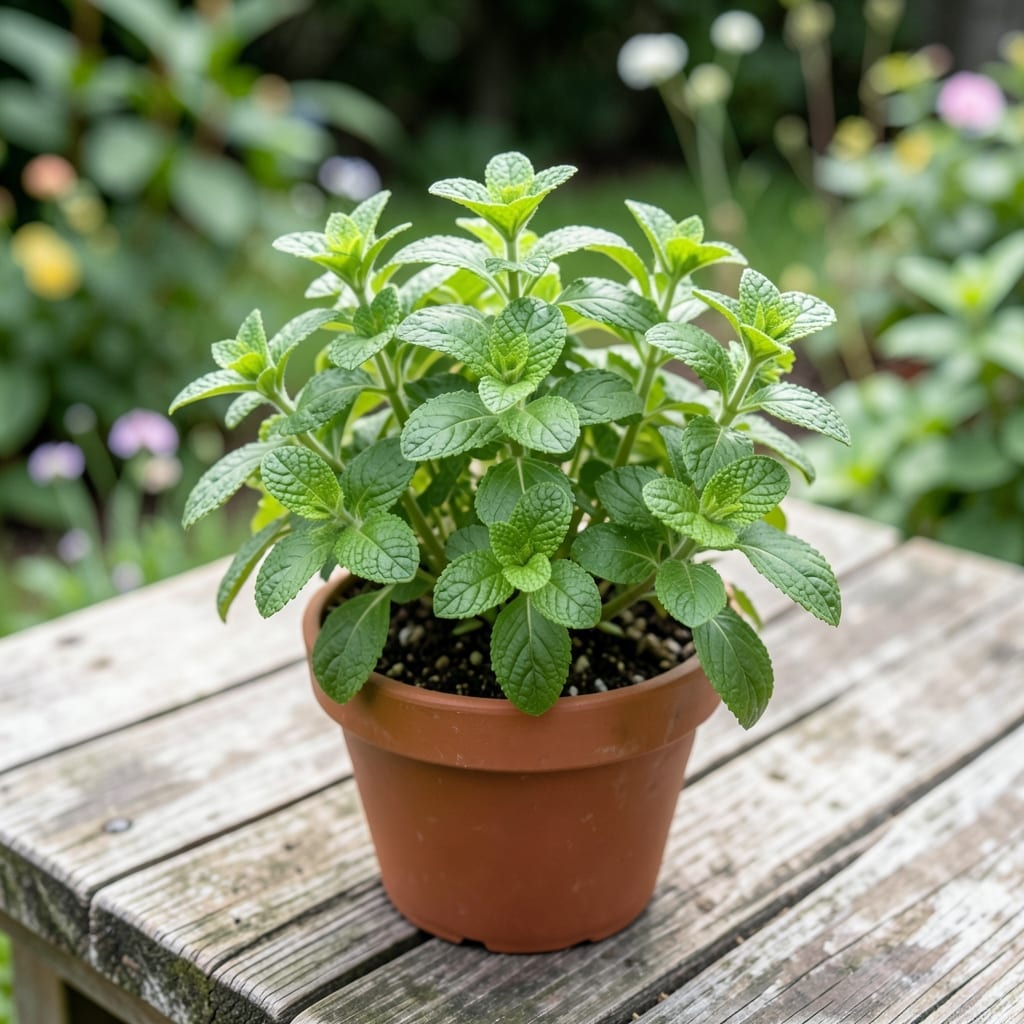
The scientific name for mint leaves is Mentha, with popular varieties including Mentha spicata for spearmint and Mentha × piperita for peppermint.
This genus belongs to the Lamiaceae family, which includes many aromatic herbs. I find it fascinating that there are over 25 species of mint, each with unique characteristics. Gardeners often choose between these varieties based on their distinct fragrances and culinary uses. ✨
Identifying them is straightforward once you know the subtle differences in leaf shape and growth patterns. 💫
💡 In This Article
Mint belongs to the Lamiaceae family, a vast botanical group known for square stems and opposite leaf arrangement. This family includes other aromatic herbs like basil, rosemary, and lavender, all sharing similar structural traits.
The Mentha genus specifically contains over 25 species, with most exhibiting the characteristic square stems and serrated leaf edges that help channel water efficiently. 🔥
Taxonomists classify mint species by examining leaf morphology, flower structure, and growth habits. For example, Mentha spicata (spearmint) has pointed leaves and pink or white flowers arranged in spikes, while Mentha × piperita (peppermint) features darker green leaves with purple-tinged stems. These visual markers, combined with scent profiles, create clear distinctions between varieties. ✨
The genus thrives in moist environments, with most species preferring partial shade and well-drained soil. This adaptability explains why mint spreads aggressively through underground runners called rhizomes. Gardeners often contain it in pots to prevent it from overtaking other plants—a testament to its vigorous growth pattern. 💫
What makes the Mentha genus scientifically fascinating is its hybrid nature. Many popular mints, like peppermint, are natural hybrids resulting from cross-pollination between spearmint and watermint (Mentha aquatica). This hybridization creates unique flavor profiles, with peppermint containing higher concentrations of menthol (40-50%) compared to spearmint’s (0.5-1%). ⚡
These botanical nuances extend beyond classification into practical applications. The square stems, for instance, aren’t just a family trait—they’re an evolutionary adaptation that helps the plant maintain structural integrity in windy conditions. Meanwhile, the serrated leaves maximize surface area for photosynthesis while minimizing water loss through transpiration. 🌟
Mint is part of the Lamiaceae family, which includes aromatic herbs like basil and rosemary. This family is known for its square stems and opposite leaf arrangement.
Spearmint has bright green, pointed leaves with a mild scent, while peppermint has darker, slightly fuzzy leaves with a stronger aroma. Crush a leaf to compare their fragrances.
Mint spreads aggressively through underground runners called rhizomes. This allows it to colonize large areas, which is why many gardeners grow it in containers.
Mint prefers partial shade but can tolerate full sun if the soil stays consistently moist. In hot climates, afternoon shade helps prevent wilting.