
Beautiful Plants For Your Interior
Beautiful Plants For Your Interior
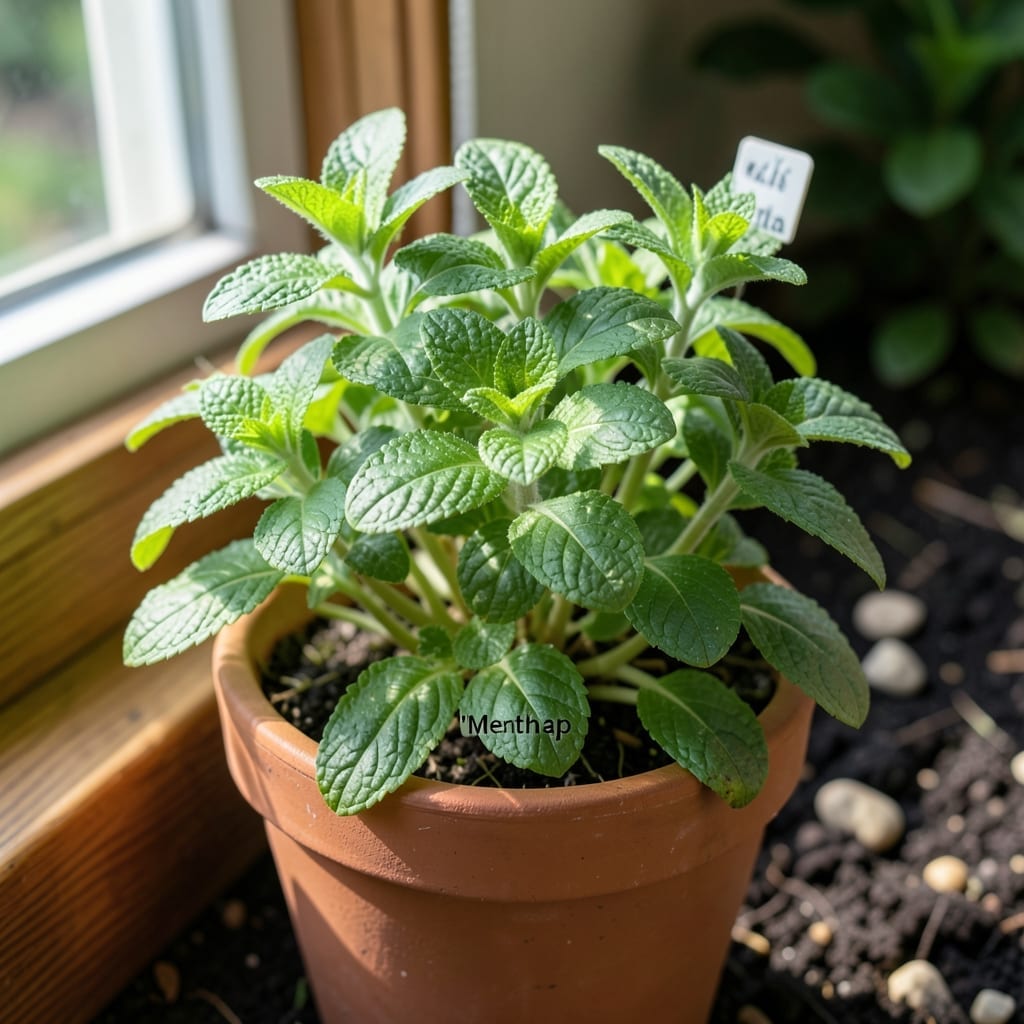
If you’ve ever rubbed a Mint 🌿 leaf between your fingers and wondered about its texture, you’re not alone. This simple act can reveal a lot about the plant’s nature and variety.
Some gardeners notice a soft fuzziness, while others find the leaves completely smooth. These differences often spark curiosity about what’s normal and what it means for your plant.
Let me walk you through the fascinating reasons behind these variations and how they can help you better understand and care for your Mint.
I’ve noticed that many gardeners are surprised when they feel mint leaves for the first time. Some varieties have a soft, almost velvety texture, while others feel completely smooth to the touch.
The difference comes down to tiny hairs called trichomes that can cover the leaf surface. These microscopic structures serve several important functions for the plant, including protection from pests and reducing water loss.
Peppermint is the most common variety with fuzzy leaves. These tiny hairs are actually a natural defense mechanism, helping the plant repel insects and conserve moisture in dry conditions.
On the other hand, spearmint typically has smoother leaves. This difference is one of the easiest ways to tell these two popular mint varieties apart in your garden.
Environmental factors play a role too. I’ve observed that mint plants grown in full sun often develop more trichomes, resulting in fuzzier leaves, while those in shadier spots may stay smoother.
The age of the plant matters as well. Younger leaves tend to be smoother, while mature leaves often develop more of that characteristic fuzz as they grow.
These tiny hairs also help protect the plant from UV damage and can even influence the leaf’s aroma. That’s why some gardeners prefer fuzzier varieties for certain uses.
If you’re growing mint, don’t be alarmed by fuzzy leaves. It’s usually a sign of a healthy, mature plant. Just remember that the texture can vary even within the same plant, depending on the leaf’s age and position.
For the best results, I recommend observing your mint plants throughout the growing season. You’ll likely notice changes in leaf texture as the plant matures and the weather changes 🌿
I often get asked how to tell different mint varieties apart just by looking. The answer is simpler than you might think: start with the leaves. The texture is one of the most reliable clues for identifying what type of mint you’re growing.
Peppermint leaves are typically fuzzy, with a soft, almost velvety surface. This is due to those tiny trichomes we discussed earlier. In contrast, spearmint leaves usually feel smooth to the touch.
For gardeners, this texture difference can be a quick way to confirm which mint variety you have. I recommend gently running your fingers over the leaves to feel for that characteristic fuzz.
Apple mint offers another interesting variation. Its leaves are often slightly fuzzy but with a more wrinkled appearance. This unique texture makes it easy to distinguish from both peppermint and spearmint.
Remember, while texture is a great identifier, it’s not the only one. I always suggest combining leaf texture with other characteristics like scent and growth habit for the most accurate identification.
If you’re shopping for mint plants, don’t hesitate to gently touch the leaves. Most nurseries won’t mind, and it’s the best way to learn these differences firsthand 🌿