
Beautiful Plants For Your Interior
Beautiful Plants For Your Interior
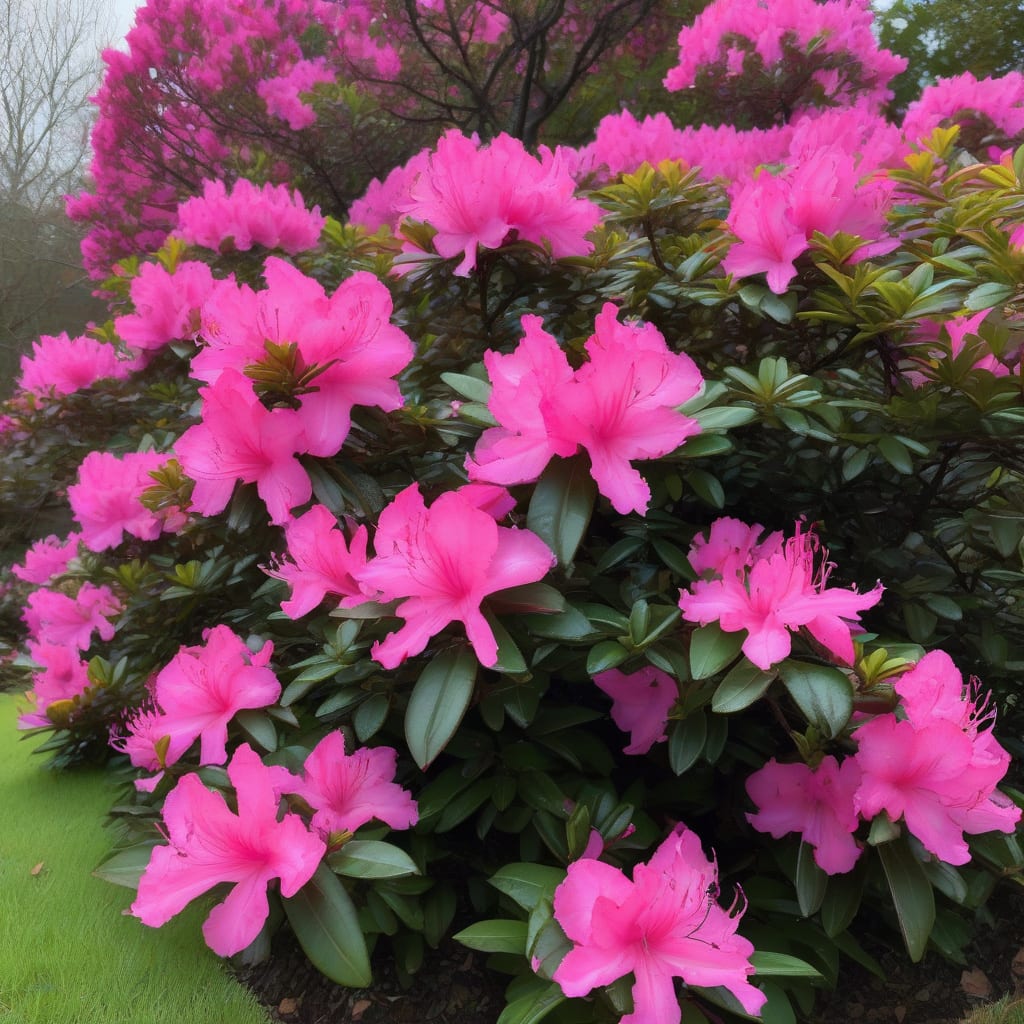
When planting Azalea 🌺 in your garden, understanding their growth potential is crucial for proper placement. These beautiful shrubs can transform your outdoor space with vibrant colors, but their height varies significantly based on variety and growing conditions.
In USDA Zone 6, Azaleas typically grow between 2-8 feet tall, making them versatile for different landscaping needs. Let’s explore the factors that influence their height and how to manage their growth effectively.


Azalea plants are known for their vibrant blooms and varying growth patterns. Understanding how tall they can grow is essential for garden planning and maintenance. Typically, azaleas can grow between 2 to 8 feet tall, depending on the variety and growing conditions.
The height of azalea plants is influenced by several factors, including the specific variety, soil quality, sunlight exposure, and maintenance practices. Let’s explore these factors in more detail to better understand azalea growth patterns.
The USDA Zone plays a significant role in azalea growth. In Zone 6, azaleas generally thrive and reach their expected mature heights. Soil quality is another critical factor; azaleas prefer acidic soil with good drainage to grow well.
Sunlight exposure also affects azalea height. These plants typically prefer partial shade, with 4-6 hours of indirect sunlight being ideal. Too much direct sunlight can stress the plants and impact their growth.
Watering practices and pruning techniques also influence azalea height. Regular watering during dry spells and annual pruning after blooming help maintain healthy growth and desired heights.
Azaleas are relatively low-maintenance plants, making them suitable for various garden settings. Their growth patterns can be managed with proper care, allowing gardeners to enjoy their beautiful blooms for years to come 🌺.
When planting azaleas, it’s essential to consider their mature size to ensure proper spacing and placement in the garden. This planning helps create a balanced and visually appealing landscape.
Azaleas can be used in various landscaping designs, from hedges and borders to standalone specimen plants. Their versatility makes them a popular choice among gardeners.
By understanding the factors that influence azalea height, gardeners can make informed decisions about plant selection and care. This knowledge helps ensure that azaleas reach their full potential and provide the desired aesthetic appeal.
Proper care and maintenance are crucial for azaleas to thrive. This includes regular fertilization during the growing season and mulching to retain soil moisture.
Azaleas are a beautiful addition to any garden, providing vibrant color and texture. By understanding their growth patterns and heights, gardeners can enjoy these benefits for years to come.
In conclusion, azaleas are versatile plants that can grow between 2 to 8 feet tall, depending on the variety and growing conditions. Proper care and maintenance are essential for managing their height and ensuring they thrive in the garden.
Azalea height is influenced by various environmental factors that gardeners can control or adjust to achieve desired growth patterns. Understanding these factors is crucial for managing azalea height effectively.
The soil quality plays a significant role in azalea growth. Azaleas thrive in acidic soil with a pH between 5.5 and 6.5. Poor soil quality can limit root development and nutrient uptake, affecting overall plant height 🌿.
Sunlight exposure is another critical factor. Azaleas generally prefer partial shade, especially in warmer climates. Too much direct sunlight can cause leaf scorch and stress the plants, potentially stunting their growth.
Watering practices significantly impact azalea height. Consistent moisture is essential, but overwatering can be detrimental. Azaleas require well-draining soil to prevent root rot.
Pruning techniques also influence azalea height. Regular pruning after blooming helps maintain desired heights and promotes healthy growth. Proper pruning encourages bushy growth and prevents the plant from becoming leggy.
By understanding and managing these environmental factors, gardeners can optimize azalea growth and achieve the desired height for their landscape 🌺.
It’s essential to monitor azalea plants regularly and adjust care practices as needed to ensure they thrive in their environment.
Azaleas are adaptable plants, but they perform best when their specific needs are met. By providing the right conditions, gardeners can enjoy vibrant blooms and healthy growth.
In conclusion, managing azalea height involves a combination of proper soil conditions, appropriate sunlight exposure, consistent watering, and regular pruning practices.
To manage azalea height effectively, regular pruning and proper maintenance are essential. Pruning helps maintain the desired height and promotes healthy growth by encouraging bushy development.
Prune azaleas right after they finish blooming to avoid cutting off next year’s flowers.
Cut out any dead, diseased, or damaged branches to maintain plant health and appearance.
Lightly shape the azalea to maintain its desired size and encourage a fuller shape.
Regular maintenance also includes monitoring for pests and diseases, ensuring proper soil conditions, and providing adequate watering. By following these steps, gardeners can keep their azaleas healthy and at the desired height 🌺.
Proper care and maintenance are crucial for azaleas to thrive. This includes regular fertilization during the growing season and mulching to retain soil moisture.
By understanding the importance of pruning and maintenance, gardeners can make informed decisions about azalea care. This knowledge helps ensure that azaleas reach their full potential and provide the desired aesthetic appeal.
