
Beautiful Plants For Your Interior
Beautiful Plants For Your Interior
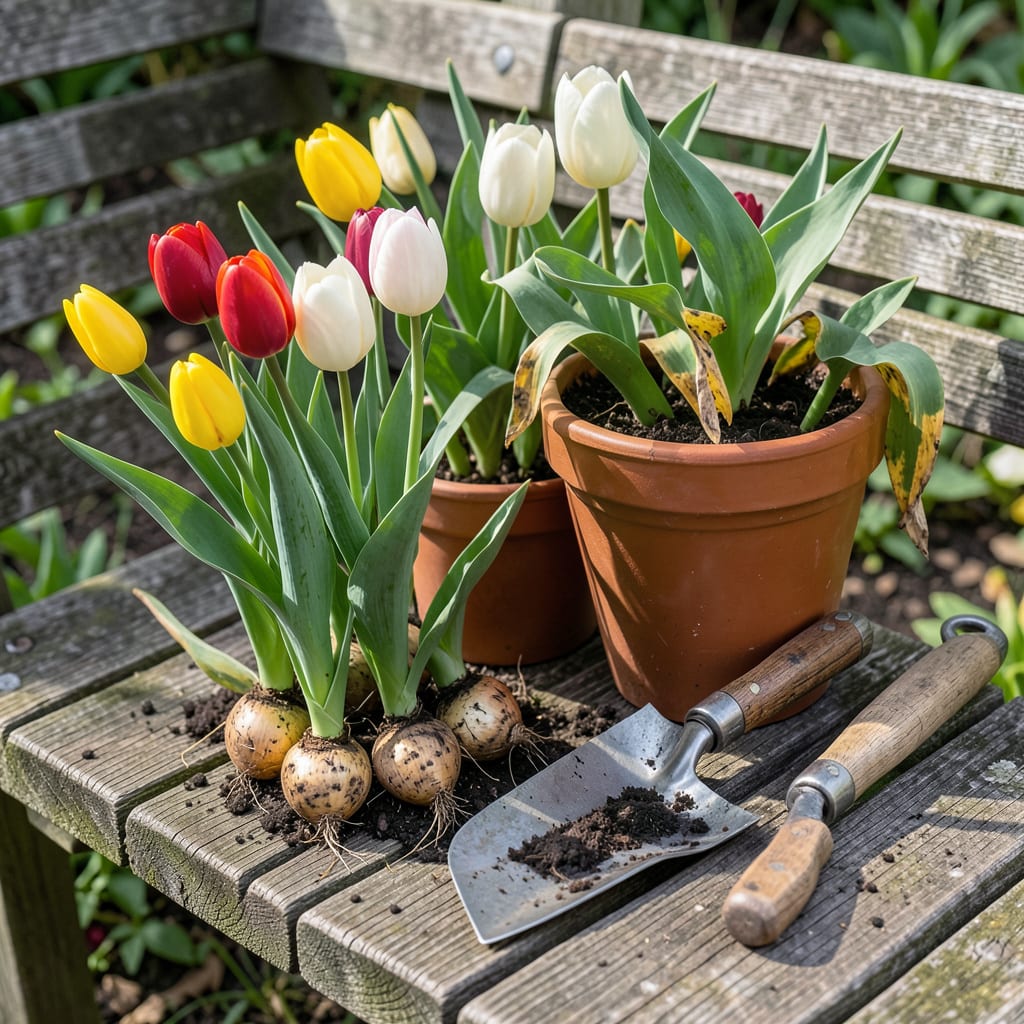
Transplanting tulips after they bloom can be a bit tricky, but with the right steps, you’ll be successful. 🔥 I’ve learned that timing is everything when it comes to moving these beautiful flowers. The key is to wait until the blooming period is over but before the foliage dies back completely.
To start, you’ll need to prepare the new location by loosening the soil to a depth of about 8-10 inches and adding some organic matter to improve drainage and fertility. Tulips prefer well-draining soil that’s rich in nutrients, so take the time to get it right.
When you’re ready to transplant, carefully dig around the tulip bulbs, making sure not to damage them. Lift them out of the ground, and gently remove any excess soil. You can then replant them at the same depth as before, spacing them about 3-4 inches apart.
After transplanting, keep the soil consistently moist during the first growing season. With proper care, your tulips should continue to thrive in their new location. By following these steps, you’ll be able to enjoy your tulips for years to come.
To successfully transplant tulips after they bloom, you’ll need the right materials and tools. Here’s a list of what you’ll need to get started:
Optional: You may also consider using a bulb planter or a trowel for replanting, especially if you’re dealing with a large number of tulips or hard soil.
Follow these simple steps to successfully relocate your tulips and enjoy them for years to come.
After your tulips finish blooming, allow the flowers to fade completely. This is crucial because the bulbs are still gathering energy from the foliage. I always wait until the petals drop off on their own—this ensures the bulb has stored enough energy for next year’s bloom.
Once the flowers have faded, continue to let the foliage die back naturally. This process can take 4-6 weeks, during which time the bulb is replenishing its energy stores. Don’t be tempted to cut back the foliage too early; this weakens the bulb.
When the tulip foliage has turned yellow and wilted, it’s time to dig up the bulbs. Use a garden fork to carefully loosen the soil around the bulbs, working from the outside in to avoid damaging them. I like to dig a bit deeper than I think necessary to avoid cutting into the bulbs.
Gently lift the bulbs out of the ground, taking care not to break the foliage or damage the bulb itself. If you encounter any resistance, don’t force it—dig a bit deeper or loosen the soil further.
While the bulbs are out of the ground, prepare their new home. Choose a location with well-draining soil and the right amount of sunlight for your tulip variety. I prefer to mix in some compost to improve soil quality and drainage.
Dig holes that are 3-4 times deeper than the height of the bulb. For most tulips, this means a hole about 8-10 inches deep. Space the holes 3-6 inches apart, depending on the variety and your desired display.
Before replanting, inspect the bulbs for any signs of damage or disease. Discard any soft or rotting bulbs to prevent spreading problems to the healthy ones. For the healthy bulbs, remove any remaining foliage by gently twisting it off at the base.
Place the bulbs in their new holes, pointed end up. Cover them with soil and water thoroughly. I like to add a layer of mulch to help retain moisture and suppress weeds. Water the area well after planting and keep the soil moist during the first growing season.
Transplanting tulips requires careful timing and technique, but with these tips, you’ll get professional results every time.
The Waiting Game: The 4-6 week waiting period after blooming is critical. This allows the bulb to replenish its energy stores for next year’s bloom. Don’t rush it—let the foliage die back naturally for the best results.
Soil Preparation: When preparing the new location, mixing in compost improves soil quality and drainage. This step is crucial for healthy bulb development. I like to add a generous amount to ensure the soil is rich and well-draining.
Handling with Care: When digging up the bulbs, be gentle to avoid damaging them. Use a garden fork to loosen the soil, working from the outside in. If you encounter resistance, don’t force it—dig a bit deeper or loosen the soil further to avoid damaging the bulb.
Post-Planting Care: After replanting, add a layer of mulch to retain moisture and suppress weeds. Water the area thoroughly and keep the soil consistently moist during the first growing season. This helps the bulbs establish themselves in their new location.
It’s best to transplant tulips after they finish blooming, when the foliage starts to yellow and die back, usually 4-6 weeks after blooming. This allows the bulb to store energy for next year’s bloom
It’s not recommended to transplant tulips while they’re in bloom, as this can cause stress to the bulb. Wait until the blooming period is over and the flowers have faded
If you miss the ideal time, you can still transplant tulips in the fall, around 6-8 weeks before the first frost. This gives the bulb time to establish itself before winter
Yes, you can divide and replant tulip bulbs after they bloom, but
Why are my tulips not blooming after transplanting?
Tulips may not bloom after transplanting due to stress, insufficient sunlight, or inadequate soil conditions. Ensure they receive enough sunlight and water, and fertilize them in the spring for a healthy bloom
