
Beautiful Plants For Your Interior
Beautiful Plants For Your Interior
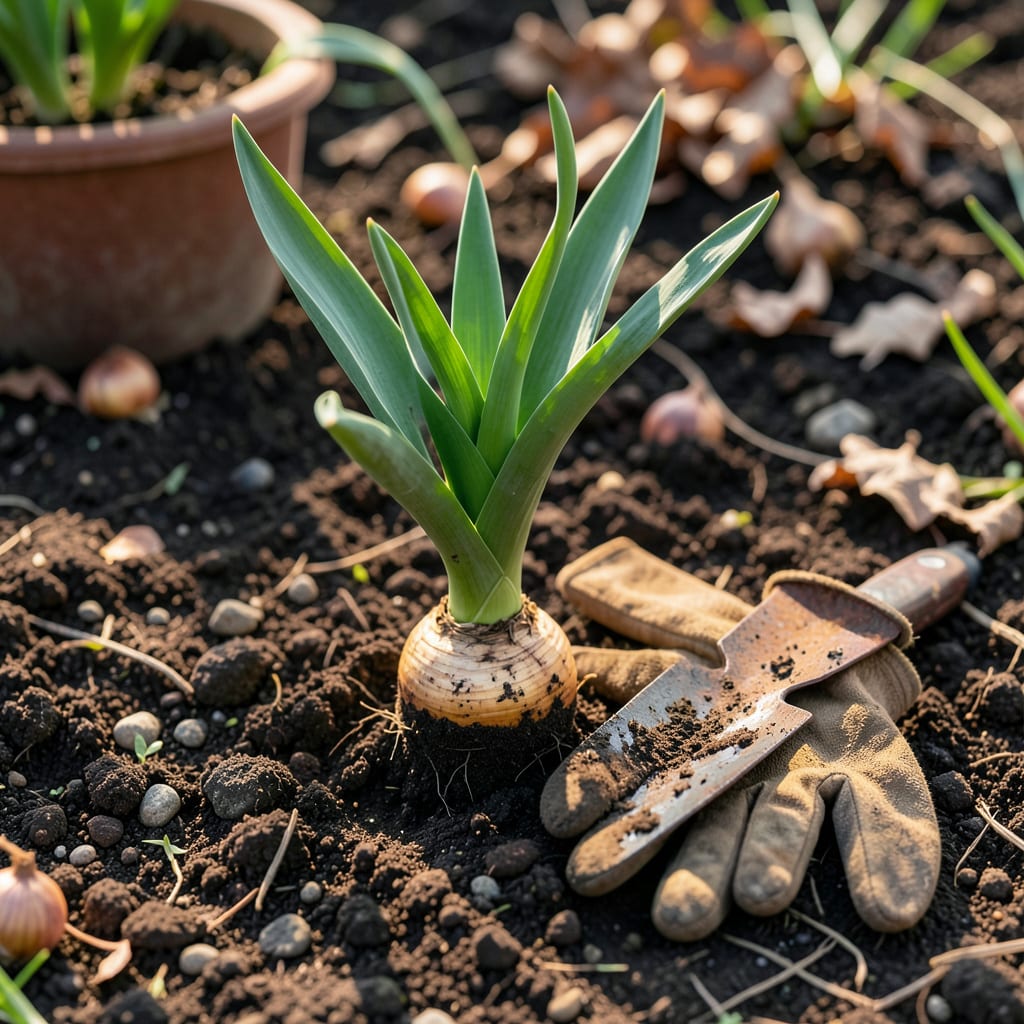
As fall approaches, gardeners eagerly prepare for the next growing season. Planting Tulip 💐 bulbs in the fall is crucial for vibrant spring blooms, but timing is everything.
In USDA Zone 6, the ideal time to plant is between September and November, about 6-8 weeks before the ground freezes. Proper timing ensures your Tulips establish strong roots and bloom beautifully come spring.
Ideal Time
Also Good
Planting tulip bulbs in the fall is a critical step in ensuring vibrant spring blooms. The ideal time to plant depends on your climate zone and the first frost date. In general, it’s recommended to plant tulip bulbs 6-8 weeks before the ground freezes. This allows the bulbs to establish a strong root system before winter. 🌼
In USDA Zone 6, the ideal planting window is typically between September and November. During this period, the soil temperature cools down, which is perfect for tulip bulb development. Soil temperature should be below 60°F (15°C) for optimal root growth. 🌿
The exact planting time can vary depending on your specific location. Gardeners in colder regions should plant earlier, while those in milder climates can plant later. Checking the average first frost date for your area can help determine the best planting time. 📅
For areas with mild winters, tulip bulbs may require chilling to simulate winter conditions. This can be achieved by refrigerating the bulbs for 6-8 weeks before planting. ❄️
When planning your tulip planting, consider the bulb’s variety and its specific needs. Some tulip varieties are better suited for warmer or colder climates. 🌺
Understanding these factors will help you choose the best time to plant your tulip bulbs, ensuring a successful and vibrant display come spring. The key is to plant at the right time for your specific climate zone. 🌻
By planting at the optimal time, you’ll give your tulip bulbs the best chance to thrive. This means enjoying beautiful blooms when spring arrives. 💐
Proper timing is just the first step in growing great tulips. Next, we’ll cover how to prepare your bulbs for planting. 🔜
Planting tulips is a rewarding experience that brings joy to your garden. With the right timing and care, you’ll be enjoying beautiful tulips in no time. 🌼
Remember, the fall planting season is your last chance to prepare for spring blooms. Make the most of it by planting your tulip bulbs at the right time. 📆
Proper preparation of tulip bulbs is crucial for successful fall planting and vibrant spring blooms. The process begins with selecting high-quality bulbs that are firm, free from mold, and show no signs of damage. 🌼
When choosing tulip bulbs, look for those that are larger in size as they typically produce better flowers. Store the bulbs in a cool, dry place until planting time to prevent premature sprouting. Proper storage conditions help maintain the bulb’s health during the pre-planting period. 💡
Check for firmness and absence of mold or damage
Keep in cool, dry conditions until planting
Plant at proper depth with pointed end up
When planting, ensure the pointed end faces upward and the bulb is planted at a depth 2-3 times its height. This orientation and depth help establish a strong root system before winter. 🌿
For areas with mild winters, consider refrigerating tulip bulbs for 6-8 weeks before planting to simulate winter conditions. This step is crucial for varieties that require a chilling period to bloom properly. ❄️
By following these preparation steps, you’ll give your tulip bulbs the best chance to thrive and produce beautiful blooms come spring. The key is to handle the bulbs with care and plant them at the right time. 🌺
Proper preparation and planting techniques are essential for a successful tulip display. By understanding these factors, you’ll be well on your way to enjoying vibrant tulips in your garden. 🌻
As you prepare your tulip bulbs for fall planting, remember that patience and attention to detail are key. With the right care, your tulips will reward you with stunning blooms. 💐
Finally,
After planting tulip bulbs in the fall, proper care is essential to ensure they thrive and bloom beautifully in the spring. One of the most critical factors is watering. Tulips need moderate moisture during their growing season, but overwatering can be detrimental. 💧
Immediately after planting, it’s crucial to water the bulbs thoroughly. This helps settle the soil around the bulbs and provides the necessary moisture for root development. In areas with dry fall weather, continue to monitor soil moisture and water as needed. 🌿
Apply a layer of mulch after planting to retain moisture and suppress weeds. This also helps regulate soil temperature during the winter months. ❄️
Mulching is another important aspect of post-planting care. A 2-3 inch layer of organic mulch, such as straw or bark chips, can help protect the bulbs from extreme temperature fluctuations and prevent premature sprouting. 🌼
In regions with harsh winters, consider providing additional protection for your tulip bulbs. This can include covering the planting area with a layer of straw or evergreen boughs to insulate the soil. ❄️
By following these post-planting care tips, you’ll give your tulip bulbs the best chance to establish a strong root system and bloom vibrantly in the spring. Proper care during the fall and winter months sets the stage for a successful and beautiful display when the weather warms up. 🌻
As the ground freezes and winter sets in, your tulip bulbs will be dormant, but they’ll be working hard to develop their root systems and prepare for the next growing season. With the right care, you’ll be rewarded with stunning blooms when spring arrives. 💐
Remember, the care you provide during the fall planting season is crucial for the overall health and success of your tulips. By watering appropriately and mulching effectively, you’ll be well on your way to enjoying beautiful tulips in your garden. 🌺
The ideal time to plant tulip bulbs is 6-8 weeks before the ground freezes, typically between September and November in USDA Zone 6. This allows the bulbs to establish a strong root system before winter.
Choose high-quality bulbs that are firm and free from damage. Store them in a cool, dry place until planting, and plant with the pointed end facing upward at a depth 2-3 times their height.
Water thoroughly after planting and keep the soil moderately moist during fall. Apply a 2-3 inch layer of mulch to retain moisture and regulate soil temperature.
Yes, in areas with mild winters, consider refrigerating tulip bulbs for 6-8 weeks before planting to simulate winter conditions. This helps induce blooming.
