
Beautiful Plants For Your Interior
Beautiful Plants For Your Interior
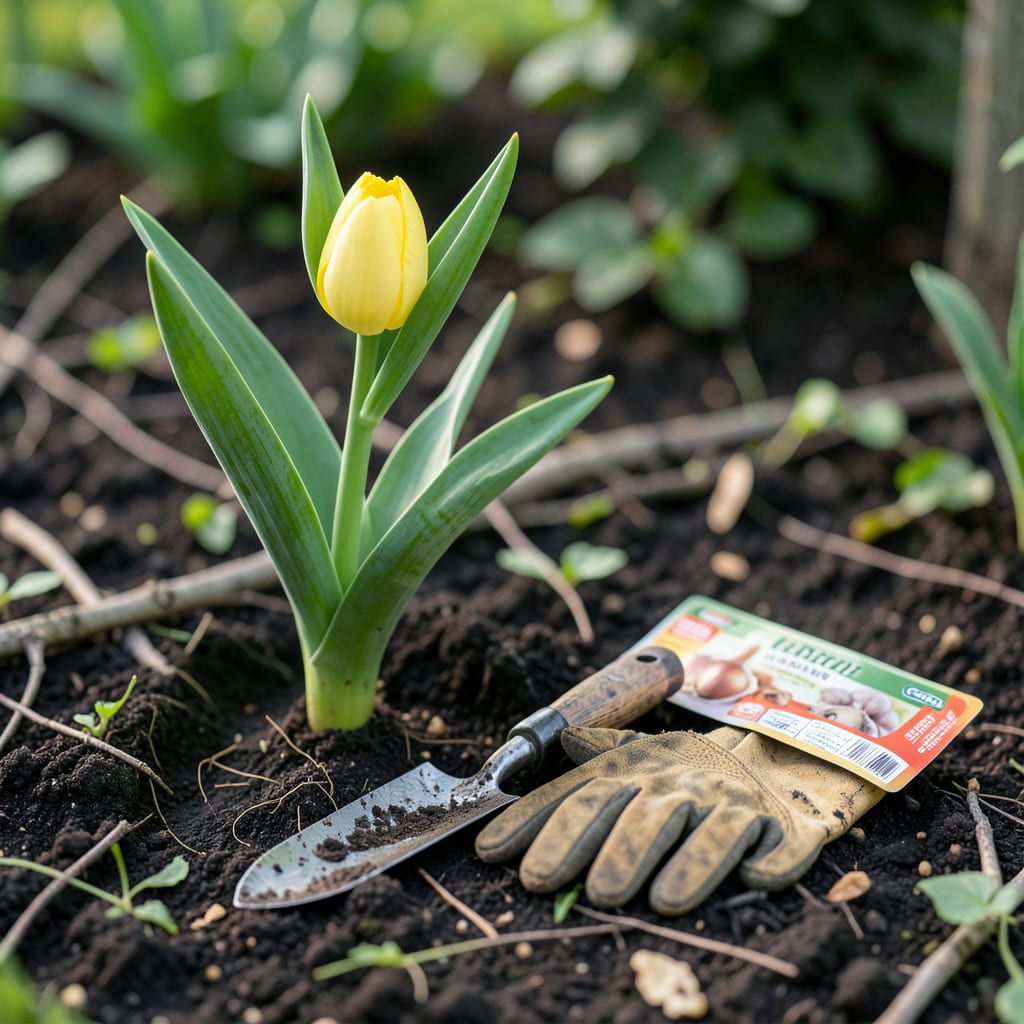
Spring is here, and you’re wondering when to plant those 💐 bulbs. Timing is everything – plant too early, and they might sprout too soon; too late, and they’ll miss their chance to thrive.
In USDA Zone 6, you can start planting bulbs in early spring. I’ll guide you through the best practices and timing to ensure your bulbs bloom beautifully.
Ideal Time
Also Good
When it comes to planting bulbs in the spring, timing is crucial. Planting at the right time ensures that your bulbs have the best chance to thrive and bloom beautifully. The ideal time to plant bulbs in the spring depends on several factors, including soil temperature, frost dates, and the type of bulb you’re planting 🌟.
In general, spring-blooming bulbs like tulips and daffodils are typically planted in the fall. However, if you missed the fall planting season, you can still plant some types of bulbs in the spring. It’s essential to understand the specific needs of the bulbs you’re working with to determine the best planting time 🔍.
For gardeners in USDA Zone 6, the last frost date is typically around April 15. This information is crucial when deciding when to plant bulbs in the spring. If you’re planting in early spring, you should do so as soon as the soil can be worked and is not too cold or waterlogged 🌱.
Some bulbs, like gladiolus and dahlias, are typically planted in the spring after the last frost. These bulbs thrive in warmer soil and are sensitive to frost, so waiting until the danger of frost has passed is essential ☀️.
Understanding these factors and how they affect bulb planting will help you make informed decisions for your garden. By considering soil temperature, frost dates, and the specific needs of your bulbs, you can ensure a successful planting experience and enjoy beautiful blooms 🌼.
It’s also important to note that different regions have different optimal planting times based on their climate and frost dates. For example, in warmer climates, you might plant bulbs earlier in the spring, while in cooler climates, you might wait until later 🌟.
By taking these factors into account and planning accordingly, you can enjoy a vibrant and thriving garden filled with beautiful blooms 🌺.
Additionally, preparing your soil properly before planting can make a significant difference in the health and success of your bulbs. This includes loosening the soil, adding organic matter, and ensuring good drainage 🌿.
With the right timing and preparation, your spring bulb planting can be a success, bringing color and life to your garden as the weather warms up 🌸.
Remember, the key to successful bulb planting is understanding the specific needs of your bulbs and the conditions in your garden. By doing so, you’ll be rewarded with a beautiful display of flowers 🌻.
When planting bulbs in the spring, it’s essential to consider your region’s climate and frost dates. Different areas have different optimal planting times based on their climate zone and frost dates. Understanding these factors will help you make informed decisions for your garden 🌟.
In general, gardeners in warmer climates can plant bulbs earlier in the spring, while those in cooler climates may need to wait until later. For example, in USDA Zone 6, you can start planting bulbs in early spring, as soon as the soil can be worked 🌱.
By understanding the specific needs of your region and the bulbs you’re planting, you can ensure a successful spring bulb planting experience 🌼.
Additionally, it’s crucial to prepare your soil properly before planting. This includes loosening the soil, adding organic matter, and ensuring good drainage 🌿.
With the right timing and preparation, your spring bulb planting can thrive, bringing vibrant colors and life to your garden as the weather warms up 🌸.
For gardeners in USDA Zone 6, it’s also helpful to know that March and April are typically good months for planting spring bulbs. However, always check the specific needs of the bulbs you’re working with 🌟.
By following these regional guidelines and tips, you can enjoy a beautiful display of flowers in your garden 🌻.
When planting bulbs in the spring, it’s essential to avoid common mistakes that can hinder their growth and blooming. One of the most critical errors is planting bulbs too early or too late. Planting at the wrong time can cause bulbs to sprout prematurely or miss their blooming window 🌟.
Another common mistake is not preparing the soil properly before planting. Bulbs need well-draining soil and adequate nutrients to thrive. Failing to loosen the soil and add organic matter can lead to poor growth and reduced blooming 🌱.
Planting bulbs too deeply or too shallowly can significantly impact their growth.
It’s also crucial to avoid overwatering or underwatering your bulbs. Bulbs need consistent moisture, especially during their active growth period. However, overwatering can lead to rot and other problems, while underwatering can cause weak growth 💧.
To ensure successful spring bulb planting, be mindful of these common mistakes and take steps to avoid them. By doing so, you’ll be rewarded with a beautiful display of healthy blooms 🌼.
Additionally,
By following these tips and avoiding common mistakes, you can enjoy a vibrant and thriving garden filled with beautiful spring bulbs 🌻.
Yes, you can plant bulbs in early spring, as soon as the soil can be worked. This is typically when the soil is no longer frozen and can be dug into without crumbling. In USDA Zone 6, this is usually around March or April.
Bulbs like gladiolus and dahlias are typically planted in the spring after the last frost. Other bulbs, such as tulips and daffodils, are usually planted in the fall, but some varieties can be planted in early spring. It’s essential to check the specific needs of the bulbs you’re working with.
Check the last frost date for your area and plan accordingly. For USDA Zone 6, this is typically around April 15. You should also consider the soil temperature and the specific needs of the bulbs you’re planting.
Common mistakes include planting bulbs too early or too late, not preparing the soil properly, and overwatering or underwatering.
