
Beautiful Plants For Your Interior
Beautiful Plants For Your Interior
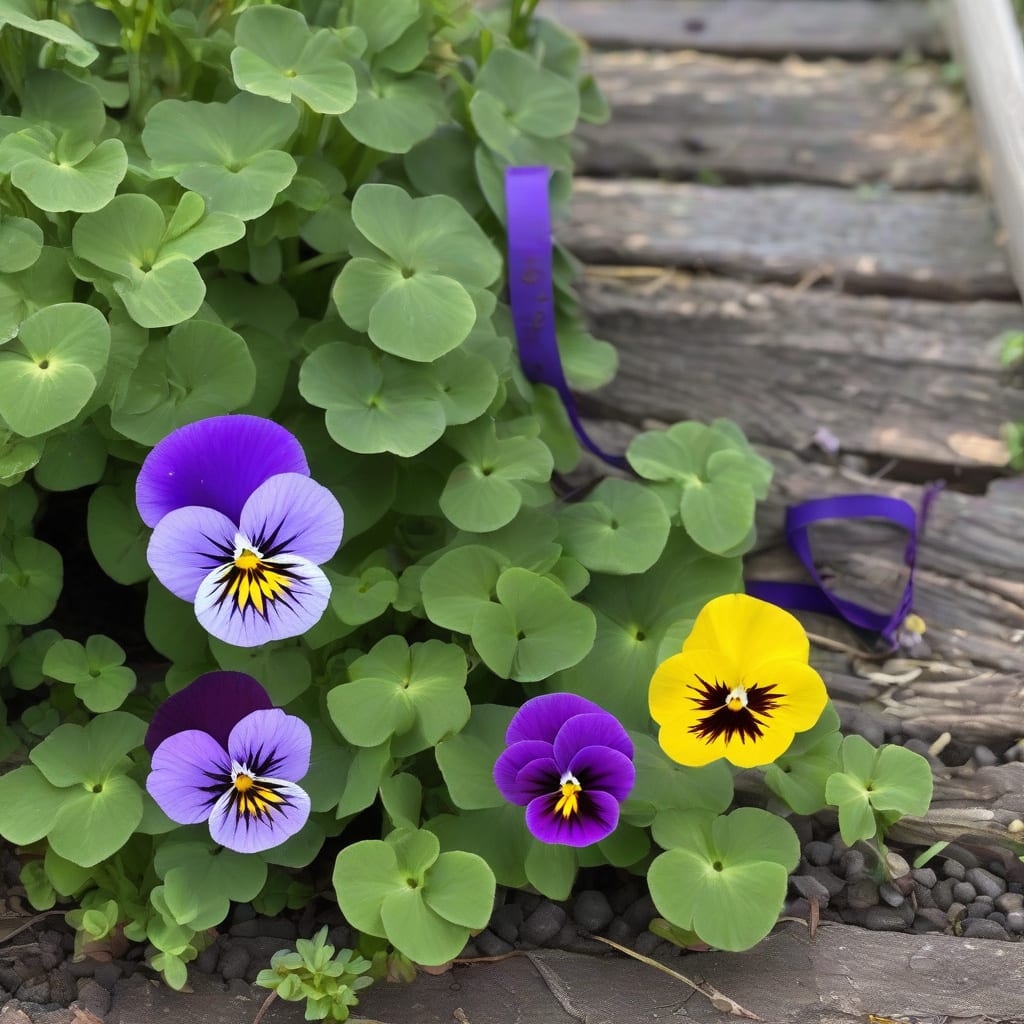
When I first started growing pansies 💐, I wondered how tall they’d get. The answer isn’t straightforward – it depends on several factors. Pansies typically grow between 0.5 to 1 foot tall.
In USDA Zone 6, where I garden, pansies thrive in both spring and fall. Their height can vary based on care practices and specific cultivars. Let’s explore what influences their growth and how to optimize it.

Pansies are known for their vibrant colors and versatility in garden design. When considering how tall pansies grow, it’s essential to understand that their height can vary based on several factors. Generally, pansies grow between 6 to 12 inches tall.
The average height of pansies is influenced by factors such as soil quality, sunlight exposure, and care practices. In optimal conditions, pansies can reach their maximum height, while poor conditions may stunt their growth. Let’s explore these factors in more detail 🌼.
Understanding these growth factors helps gardeners create optimal conditions for their pansies. By providing the right environment, gardeners can enjoy these beautiful flowers at their best 💐.
The typical height range of pansies is between 6 to 12 inches. This range allows for a variety of uses in garden design, from container gardens to border plantings.
Factors such as temperature, soil quality, and pruning practices can influence the final height of pansies. In ideal conditions, pansies can thrive and reach their maximum potential height 🌟.
To maximize pansy growth, gardeners should ensure they are planted in well-draining soil and receive appropriate sunlight. Regular watering and balanced fertilization also play crucial roles in achieving optimal height 🌿.
Pansies are relatively low-maintenance plants, making them ideal for gardeners of all skill levels. Their compact growth habit makes them suitable for various garden designs.
In USDA Zone 6, pansies are typically planted in early spring or fall. This timing allows them to establish themselves before extreme weather conditions set in.
By understanding the factors that influence pansy height, gardeners can better plan their garden layouts. This knowledge helps in creating visually appealing displays that showcase the beauty of pansies.
Overall, pansies are a versatile and attractive addition to any garden. Their manageable height and vibrant colors make them a popular choice among gardeners 🌼.
In conclusion, pansies typically grow between 6 to 12 inches tall, with their height influenced by various environmental and care-related factors. By optimizing these factors, gardeners can enjoy healthy, thriving pansies 🌻.
Controlling pansy height is crucial for creating visually appealing garden displays. By managing their height, gardeners can ensure their pansies complement other plants and enhance the overall aesthetic of their garden 🌼.
One effective way to control pansy height is through regular pruning. Pinching back the tips of the stems encourages bushier growth and prevents the plants from becoming leggy 🌿.
Regular deadheading not only promotes more blooms but also helps maintain a compact growth habit by preventing seed production.
Proper spacing is another critical factor in managing pansy height. Planting them 6-8 inches apart allows for good air circulation, which can help prevent diseases that might affect their growth.
The quality of the soil also plays a significant role in controlling pansy height. Well-draining soil enriched with organic matter supports healthy root development and overall plant vigor 🌱.
Sunlight exposure is another factor that influences pansy height. While pansies can thrive in partial shade to full sun, too much shade can lead to leggy growth. Ensuring they receive the right amount of sunlight helps maintain their desired height 🌻.
Watering practices also impact pansy height. Consistent moisture, without waterlogging, supports steady growth. Overwatering can lead to weak, spindly stems 🌿.
Fertilization is a key aspect of pansy care that affects their height. Using a balanced fertilizer (10-10-10 NPK) every 4-6 weeks during the growing season promotes healthy growth without causing excessive stretching.
By combining these techniques—pruning, proper spacing, good soil quality, appropriate sunlight, careful watering, and balanced fertilization—gardeners can effectively control pansy height and enjoy a vibrant, well-structured garden display 🌼.
In USDA Zone 6, pansies are typically planted in early spring or fall. This timing helps them establish a strong root system before extreme weather conditions occur, supporting healthier growth and better height management.
Overall, controlling pansy height requires a combination of good gardening practices and attention to the specific needs of the plants. By following these tips, gardeners can create beautiful, thriving pansy displays 🌻.
Pansies come in a wide range of varieties, each with its unique characteristics, including differences in height 🌼. Understanding these variations helps gardeners choose the right pansy type for their garden design.
When selecting pansy varieties, gardeners should consider the height and growth habit that best suits their garden needs. Whether looking for compact plants for containers or trailing varieties for hanging baskets, there’s a pansy type to fit every garden design 🌻.
The diversity in pansy heights allows for creative garden planning. Gardeners can mix different varieties to create layered, visually appealing displays that showcase the beauty of these versatile flowers.
By understanding the different types of pansies and their growth characteristics, gardeners can make informed decisions when planning their garden. This knowledge ensures that pansies are used effectively in garden designs, enhancing overall aesthetics 🌼.
In USDA Zone 6, pansies are typically planted in early spring or fall. Choosing the right variety for the specific planting season can further optimize their growth and display.
Overall, the variety of pansy heights and growth habits offers gardeners numerous options for incorporating these beautiful flowers into their garden designs, creating vibrant and engaging outdoor spaces 🌻.
