
Beautiful Plants For Your Interior
Beautiful Plants For Your Interior
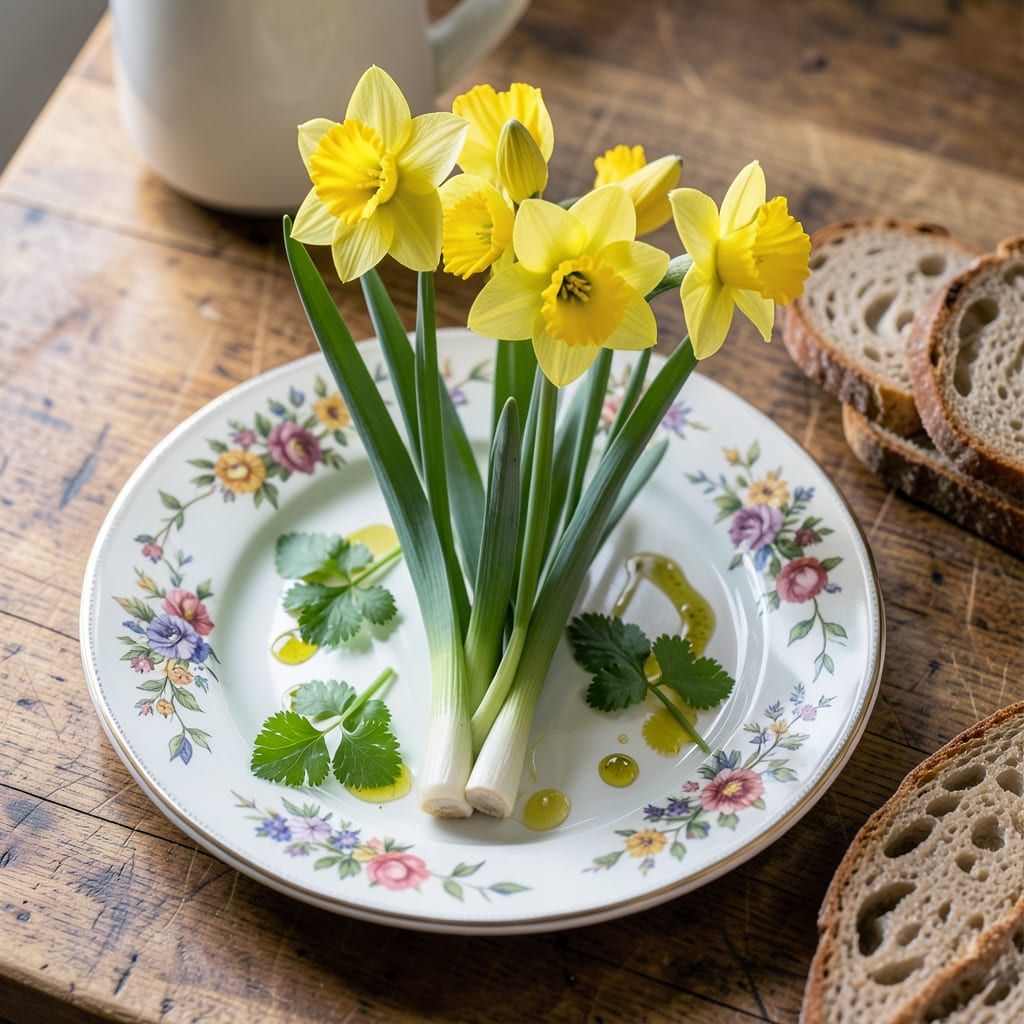
As spring arrives, daffodils 💐 burst forth with vibrant colors, but have you ever wondered just how tall they’ll grow? The height of these cheerful flowers can vary significantly based on the specific variety and growing conditions.
In USDA Zone 6, you can expect daffodils to reach heights between 1-2 feet, making them a great addition to many garden landscapes. Let’s explore the factors that influence their growth and how to make the most of these beautiful flowers.


Daffodil height can vary significantly based on several key factors. The variety of daffodil is the primary determinant, with different cultivars having distinct growth characteristics. Soil quality also plays a crucial role, as well-draining soil with adequate nutrients supports healthy growth 🌿.
Sunlight exposure is another critical factor affecting daffodil height. Most varieties prefer full sun to partial shade, with at least 4-6 hours of direct sunlight daily. Climate conditions, particularly temperature and moisture levels during the growing season, also influence final height 🌻.
The height of daffodils is influenced by a combination of genetic and environmental factors. Understanding these factors helps gardeners predict and manage the growth of their daffodils effectively. By optimizing growing conditions, gardeners can encourage daffodils to reach their full height potential 💐.
Different daffodil varieties have been bred for specific characteristics, including height. Some varieties are naturally compact and short, while others can grow quite tall. Knowing the specific variety helps in understanding its growth habits and expected height.
Soil preparation is vital for optimal daffodil growth. The soil should be well-draining and rich in organic matter. Proper soil conditions support healthy root development, which in turn affects the overall height of the plant.
Sunlight requirements for daffodils vary, but most need a significant amount of direct sunlight to thrive. Ensuring that daffodils receive adequate sunlight is crucial for achieving their potential height.
Climate and weather conditions during the growing season can also impact daffodil height. Cooler temperatures and adequate moisture typically promote healthier and taller growth.
Gardeners can influence daffodil height through proper care and maintenance. This includes appropriate watering, fertilization, and post-bloom care. By following best practices, gardeners can help their daffodils reach their maximum height.
In summary, daffodil height is determined by a mix of variety, growing conditions, and care practices. Understanding these factors allows gardeners to optimize their daffodil cultivation and enjoy these beautiful flowers to their fullest potential 🌼.
By considering the factors that affect daffodil height, gardeners can make informed decisions about planting and care. This knowledge helps in creating a vibrant and thriving garden display.
For more specific guidance on growing daffodils, including tips on planting depth and fertilization, continue reading the next section.
Daffodils come in various heights, ranging from compact dwarf varieties to tall standard types. Understanding these height variations helps gardeners choose the right varieties for their garden spaces 🌼.
The height of daffodils is primarily determined by their variety. Different types of daffodils have been bred to suit various garden needs and preferences.
When selecting daffodil varieties, gardeners should consider the overall garden design and the space available. Taller varieties can serve as a backdrop, while shorter ones can be used in the foreground or in containers 🌿.
Popular daffodil varieties include ‘Fortune’, ‘Ice Follies’, and ‘Mount Hood’, each with its unique height characteristics. ‘Fortune’ daffodils, for example, are known for their vibrant colors and moderate height, making them a favorite among gardeners.
The height of daffodils also affects their placement in the garden. Taller varieties are best planted towards the back of borders, while shorter ones can be placed towards the front, creating a layered effect 🌼.
In summary, daffodil varieties offer a range of heights to suit different gardening needs. By understanding the height characteristics of various daffodil types, gardeners can create a more balanced and visually appealing garden display 🌱.
To help daffodils reach their maximum height, gardeners should focus on proper planting techniques and ongoing care practices. One of the most critical factors is planting depth, as planting too shallow can result in weaker stems 🌼.
Plant daffodil bulbs 2-3 times deeper than their height to support strong root development and taller stems.
Fertilization plays a crucial role in promoting healthy daffodil growth. Applying a balanced fertilizer after blooming helps provide necessary nutrients for the bulbs to store energy for the next growing season 🌻.
Proper post-bloom care is essential for maximizing daffodil height. This includes allowing the foliage to die back naturally, which can take several weeks to a few months after blooming. Avoid cutting or tying back the foliage too early, as this can weaken the bulb 🌱.
By following these gardening tips, gardeners can encourage their daffodils to grow taller and healthier. Consistent care and attention to the needs of daffodils will result in a more vibrant and impressive spring display 💐.
In summary, maximizing daffodil height involves a combination of proper planting techniques, appropriate fertilization, and careful post-bloom care. By implementing these strategies, gardeners can enjoy taller, more robust daffodils in their gardens 🌼.
