
Beautiful Plants For Your Interior
Beautiful Plants For Your Interior
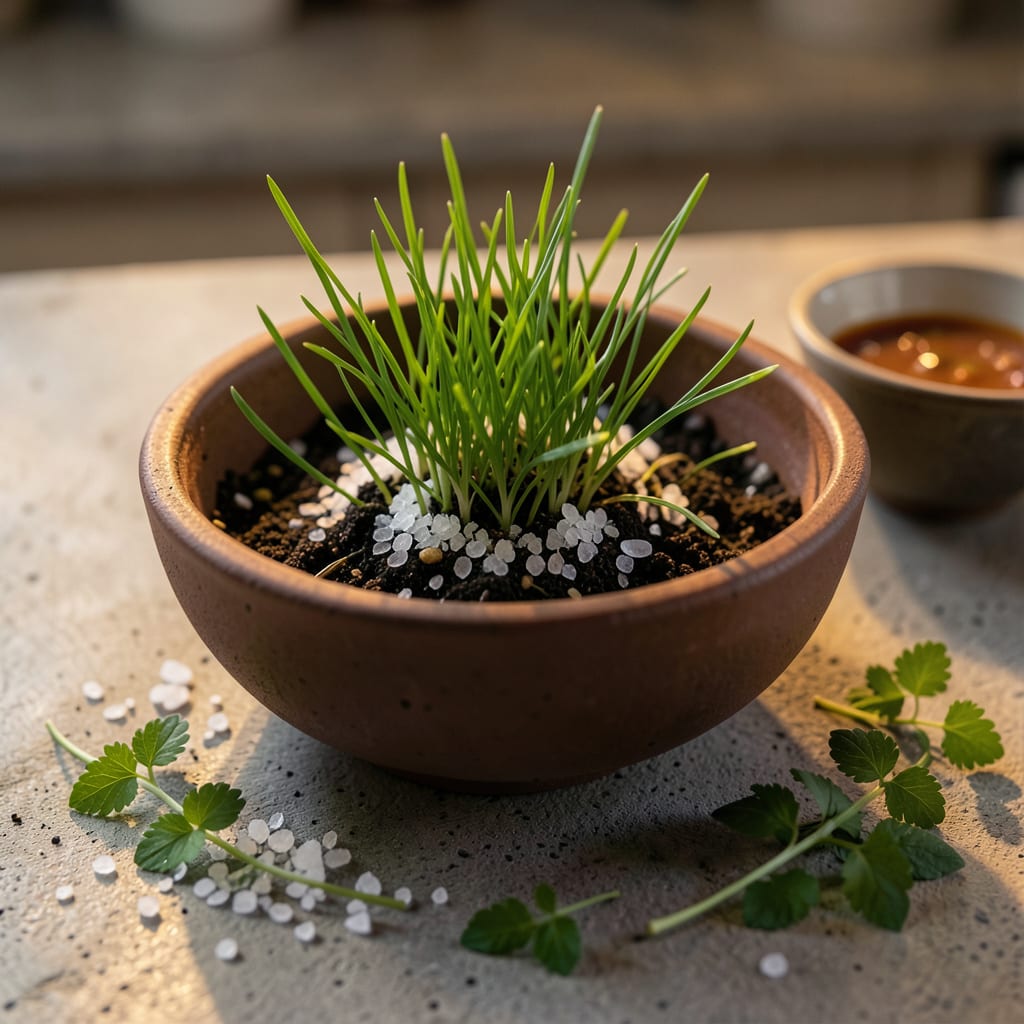
Planting new Grass 🌿 can be exciting, but knowing when to fertilize after seeding is crucial for healthy growth. Timing is everything – fertilize too early, and you risk damaging those delicate new seedlings.
I’ve learned that the key is waiting until your Grass is established enough to benefit from nutrients. Let’s explore the optimal timing and best practices for fertilizing your newly seeded lawn in USDA Zone 6, where spring and fall are ideal for planting.

The best time to fertilize after planting grass seed depends on several factors, including the type of grass and local climate conditions. Generally, you should wait until your new grass has been mowed at least 2-3 times before applying fertilizer 🌿.
For most cool-season grasses, this means waiting about 4-6 weeks after seeding. For warm-season grasses, you may need to wait longer, typically around 6-8 weeks. It’s essential to check the specific instructions on your grass seed package for guidance.
When choosing a fertilizer for new grass, opt for a starter fertilizer that is high in phosphorus to promote root development. Avoid using high-nitrogen fertilizers too early, as they can damage young seedlings 🔥.
The ideal time to fertilize is typically in the early morning when the grass is dry. This allows the fertilizer to be absorbed throughout the day without the risk of burning the grass from midday sun.
Soil conditions also play a crucial role in determining when to fertilize. If your soil is particularly poor or sandy, you may need to adjust your fertilization schedule accordingly. Always follow the instructions on the fertilizer packaging for the correct application rate 🌾.
Over-fertilizing can be just as harmful as under-fertilizing. Too much fertilizer can cause excessive growth, making your grass more susceptible to disease and pests. It’s better to start with a light application and adjust as needed based on your lawn’s response 🌱.
For newly seeded lawns, it’s also important to consider the type of grass seed you’ve planted. Some grass varieties are more sensitive to fertilizer than others. If you’re unsure, consult with a local gardening expert or your local nursery for personalized advice 🌼.
Remember, fertilizing is just one part of maintaining a healthy lawn. Be sure to also water regularly, mow at the correct height, and control weeds to give your new grass the best chance to thrive 💧.
By following these guidelines and paying attention to your lawn’s specific needs, you’ll be well on your way to growing a lush, healthy lawn that will be the envy of the neighborhood 🌿.
In summary, the key to successful fertilization after planting grass seed is patience and attention to detail. Wait until your grass is established, choose the right fertilizer, and apply it correctly for the best results 🌻.
With proper care and fertilization, your newly seeded lawn will be thriving in no time. Happy gardening! 🌼
When it comes to fertilizing new grass seedlings, choosing the right fertilizer type is crucial. I recommend using a starter fertilizer that’s high in phosphorus to promote healthy root development 🌿.
A balanced fertilizer (e.g., 10-10-10 NPK) is generally a safe choice for most grass types. However, it’s essential to check the specific needs of your grass variety and adjust accordingly.
Apply fertilizer in the early morning when the grass is dry to minimize the risk of burning 🔥.
The application rate is also critical. Start with a light application and adjust as needed based on your lawn’s response. Over-fertilizing can lead to excessive growth and increased susceptibility to disease and pests 🌾.
Soil conditions play a significant role in determining the best fertilization schedule. If your soil is poor or sandy, you may need to adjust your approach accordingly.
For newly seeded lawns, it’s also important to consider the type of grass seed you’ve planted. Some varieties are more sensitive to fertilizer than others. If you’re unsure, consult with a local gardening expert or your local nursery for personalized advice 🌼.
By following these fertilization tips and paying attention to your lawn’s specific needs, you’ll be well on your way to growing a lush, healthy lawn that will thrive in USDA Zone 6 🌿.
When fertilizing after planting grass seed, it’s crucial to avoid common mistakes that can harm your new lawn 🌱.
One of the most significant errors is fertilizing too early. Applying fertilizer before your grass seedlings are established can damage them 🔥.
Avoid using high-nitrogen fertilizers too early, as they can cause excessive growth and make your grass more susceptible to disease and pests 🌾.
Another mistake is over-fertilizing. Too much fertilizer can lead to burned grass and environmental pollution 🌿.
It’s also essential to choose the right type of fertilizer. A balanced fertilizer (e.g., 10-10-10 NPK) is generally a safe choice for most grass types.
Soil conditions should also be considered when fertilizing. If your soil is particularly poor or sandy, you may need to adjust your fertilization schedule accordingly 🌼.
By avoiding these common mistakes and following proper fertilization guidelines, you can help ensure your new grass seed grows into a healthy, lush lawn that thrives in USDA Zone 6 🌻.
For more specific advice tailored to your lawn’s needs, consider consulting with a local gardening expert or your local nursery 🌼.
Wait until your new grass has been mowed at least 2-3 times before applying fertilizer. This is usually around 4-6 weeks for cool-season grasses and 6-8 weeks for warm-season grasses. Check your grass seed package for specific guidance.
Use a starter fertilizer that’s high in phosphorus to promote healthy root development. A balanced fertilizer (e.g., 10-10-10 NPK) is generally a safe choice for most grass types. Avoid high-nitrogen fertilizers too early, as they can damage young seedlings.
Yes, over-fertilizing can be harmful. Too much fertilizer can cause excessive growth, making your grass more susceptible to disease and pests. Start with a light application and adjust as needed based on your lawn’s response.
The early morning is typically the best time to fertilize when the grass is dry. This allows the fertilizer to be absorbed throughout the day without the risk of burning the grass from midday sun.
