
Beautiful Plants For Your Interior
Beautiful Plants For Your Interior
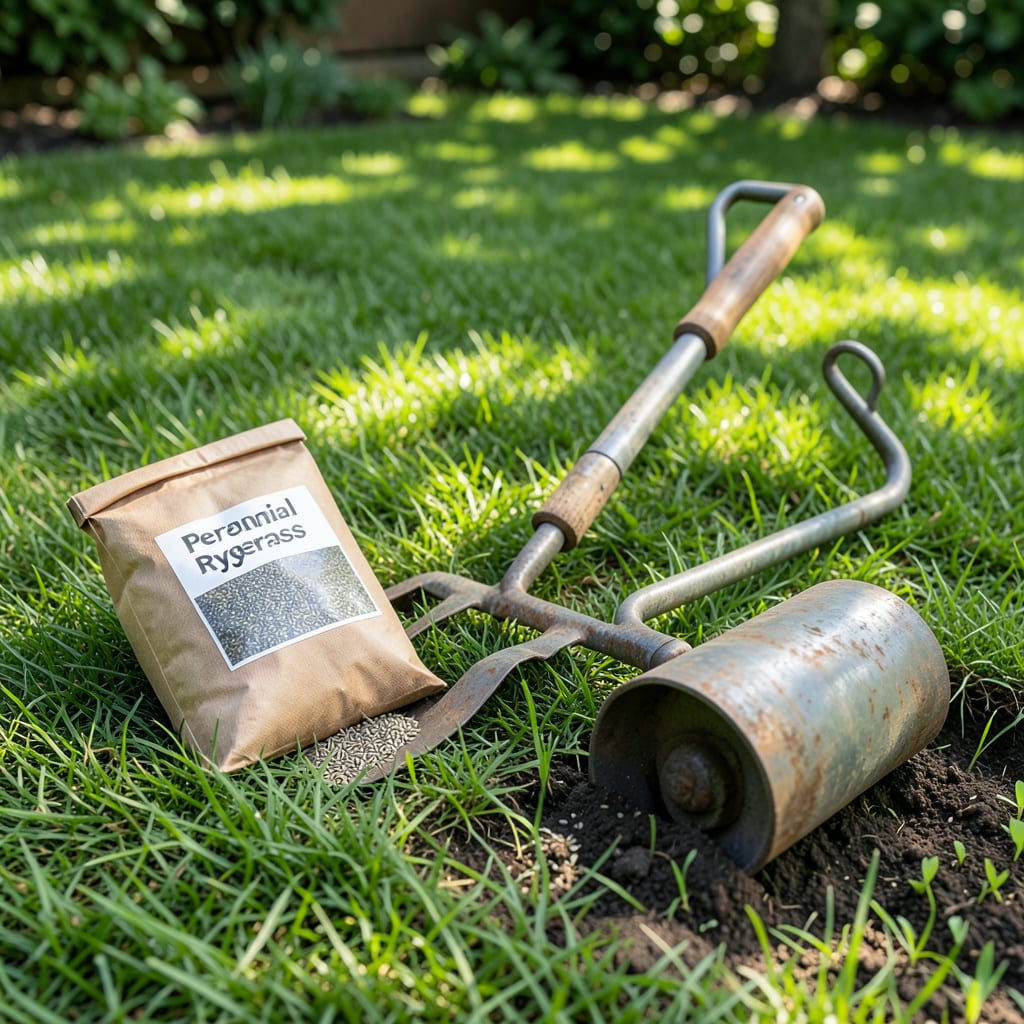
As a Pennsylvania homeowner, getting your lawn just right can be challenging. Planting Grass 🌿 at the wrong time can lead to poor germination and a patchy lawn.
The best times to plant Grass seed in PA are during late summer to early fall or early spring when soil temperatures are between 60-75°F. Understanding these seasonal windows is key to establishing a healthy lawn.
Understanding the best times to plant grass seed in Pennsylvania is crucial for a lush, healthy lawn. Pennsylvania’s climate varies significantly across different regions, making timing critical for successful grass seed planting 🌿.
The ideal planting windows are during late summer to early fall or early spring when soil temperatures are between 60-75°F. These periods offer optimal conditions for germination and establishment.
When planting in early spring, it’s essential to wait until the soil can be worked and is no longer frozen. This usually occurs around late March in southern Pennsylvania and early April in northern areas ⏰.
Late summer/early fall planting allows the new grass to establish before winter. It’s generally considered a more reliable time because there’s a more consistent moisture level and the grass has time to mature before the next growing season 💧.
It’s also important to consider the type of grass you’re planting. Cool-season grasses, which are common in Pennsylvania, do best when planted in these two periods. Warm-season grasses, while less common, have different optimal planting times 🌟.
Soil temperature is a critical factor. For most cool-season grasses, the ideal soil temperature for planting is between 60-75°F. You can use a soil thermometer to check this 📊.
Regional variations within Pennsylvania also play a role. The USDA Hardiness Zone for most of PA is 6a, but this can vary. Understanding your specific zone can help you fine-tune your planting schedule 🗺️.
In addition to temperature and timing, moisture levels are vital. Adequate rainfall or irrigation is necessary for seed germination and establishment. Pennsylvania’s climate typically provides sufficient moisture during the recommended planting periods ☁️.
To summarize, the key to successful grass seed planting in PA is timing your efforts during the early spring or late summer/early fall, when conditions are most favorable. By doing so, you’ll be well on your way to a lush, healthy lawn 🌿.
For more specific advice tailored to your location within Pennsylvania, consider consulting with a local gardening expert or checking resources from the Penn State Extension 📚.
By following these guidelines and understanding the seasonal considerations for planting grass seed in Pennsylvania, you can achieve a beautiful and thriving lawn that enhances your outdoor space 🏠.
Before planting grass seed in Pennsylvania, it’s crucial to prepare your lawn properly. This involves several key steps that will help ensure successful germination and establishment 🌱.
Soil testing is the first step in preparing your lawn. It helps determine your soil’s pH level and nutrient content, allowing you to make necessary adjustments for optimal grass growth 📊.
Use a soil testing kit or consult a professional to determine your soil’s pH and nutrient levels.
Aerating helps improve soil drainage, reduces soil compaction, and promotes healthy root growth.
Clear your lawn of debris and weeds to give your new grass seed the best chance to grow.
Aeration is another critical step. It involves creating small holes in the soil to improve air, water, and nutrient circulation 🌟.
Removing debris and weeds is also essential. This will prevent competition for resources and give your new grass seed a clean slate to grow 🌱.
By following these steps, you’ll be well-prepared to plant your grass seed and achieve a lush, healthy lawn in Pennsylvania 🌿.
For more detailed guidance on lawn preparation and care, consider consulting resources from the Penn State Extension or a local gardening expert 📚.
Proper preparation is key to successful grass seed planting. By testing your soil, aerating your lawn, and removing debris and weeds, you’ll set yourself up for success 🌟.
After planting grass seed in Pennsylvania, proper care is essential for successful establishment. This includes maintaining a consistent watering schedule and following appropriate maintenance routines 💧.
Watering is critical in the first few weeks after planting. Keep the soil consistently moist but not waterlogged. This typically means watering lightly multiple times a day, especially during hot weather ☀️.
Water your new grass seed in the early morning to minimize evaporation and reduce the risk of fungal diseases. Avoid watering in the evening as it can encourage fungal growth 🌟.
Mowing should be done carefully. Wait until the new grass reaches 3-4 inches in height before mowing. Use a sharp mower blade to prevent tearing the grass 🌱.
Weed control is another important aspect. Avoid using herbicides until the new grass is well-established. Instead, manually remove weeds or use a pre-emergent herbicide before planting 🌿.
Fertilization should be done according to the specific needs of your grass type. Generally, a balanced fertilizer applied after the first mowing can help promote healthy growth 📊.
By following these post-planting care tips, you can ensure your new grass seed has the best chance to thrive in Pennsylvania’s climate. Proper care will lead to a lush, healthy lawn that enhances your outdoor space 🏠.
For more detailed guidance on lawn care and maintenance, consider consulting resources from the Penn State Extension or a local gardening expert 📚.
The best times to plant grass seed in PA are during early spring (March-April) or late summer/early fall (August-September) when soil temperatures are between 60-75°F. These periods offer optimal conditions for germination and establishment.
Before planting, test your soil to determine its pH and nutrient levels. Then, aerate your lawn to improve drainage and reduce compaction. Finally, remove debris and weeds to give your new grass seed a clean slate to grow.
Keep the soil consistently moist but not waterlogged by watering lightly multiple times a day, especially during hot weather. Watering in the early morning helps minimize evaporation and reduces the risk of fungal diseases.
Wait until the new grass reaches 3-4 inches in height before mowing. Use a sharp mower blade to prevent tearing the grass. This helps promote healthy growth and prevents damage.
