
Beautiful Plants For Your Interior
Beautiful Plants For Your Interior
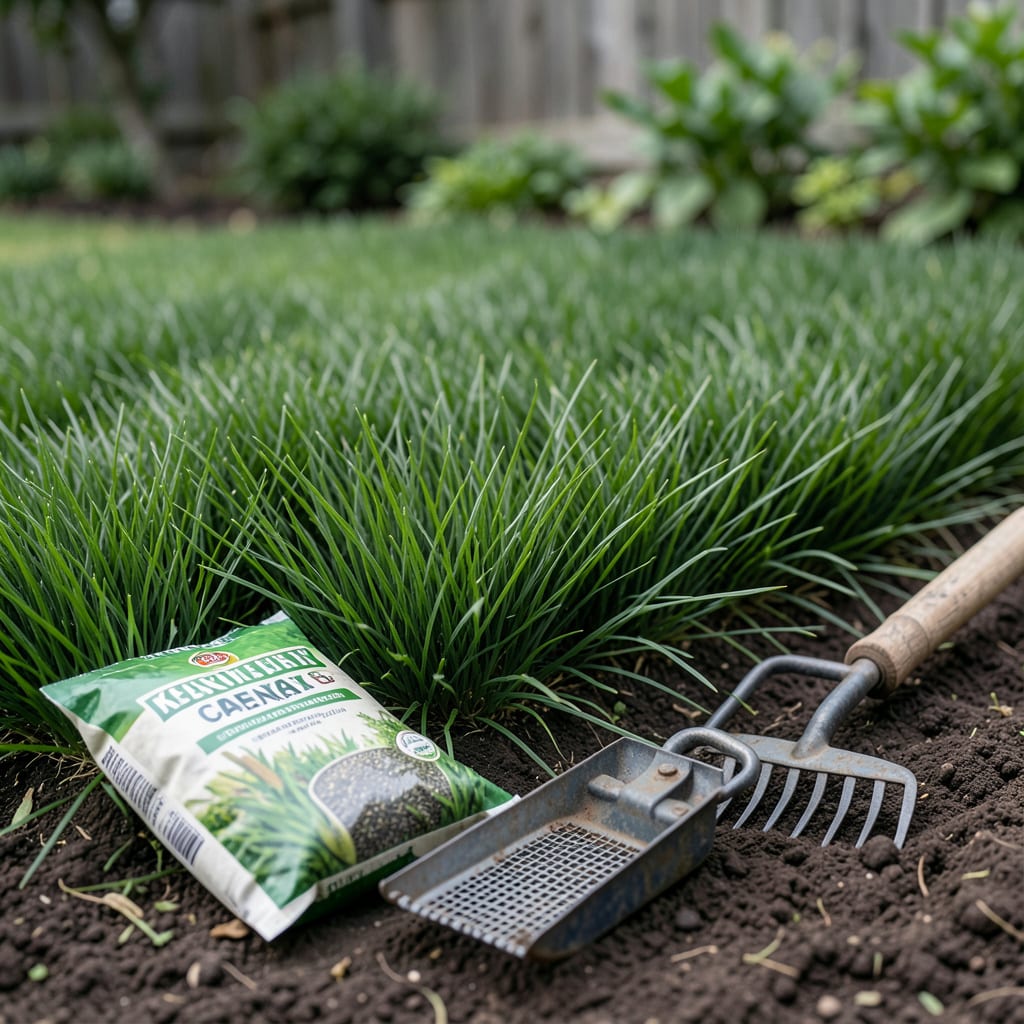
Planting Grass 🌱 in Iowa requires precise timing to achieve a lush, healthy lawn. The state’s variable climate means you need to know the best time to plant for optimal results.
For Iowa’s USDA Zone 5b, the ideal time is late summer to early fall, specifically August to September. This timing allows the new grass to establish itself before winter, giving you a head start on a vibrant lawn come spring.
Iowa’s climate varies significantly across different regions, making it crucial to understand the optimal planting times for grass seed in various parts of the state. The best time to plant grass seed in Iowa depends on the region’s temperature and moisture levels.
The state’s climate ranges from USDA Zone 4b in the northwest to Zone 6a in the southeast. This variation affects the ideal planting time for grass seed 🌱.
The ideal time to plant grass seed in Iowa is during the late summer to early fall, when the soil temperature is between 50°F and 65°F. This period allows the new grass to establish itself before winter, giving it a head start on a vibrant lawn come spring 🌿.
For northern Iowa, planting in late August to early September is ideal, as it allows the grass to establish before the first frost. In central Iowa, early to mid-September is the best time, while in southern Iowa, mid to late September is recommended 🌾.
Understanding these regional differences is key to successful grass seed planting in Iowa. By planting at the right time for your specific region, you can ensure a healthy and thriving lawn.
Regional climate variations play a significant role in determining the best planting time. Factors such as temperature, moisture, and soil conditions all impact the success of grass seed planting.
In Iowa, the cool-season grasses like Kentucky bluegrass, perennial ryegrass, and tall fescue thrive when planted in the fall. These grasses benefit from the cooler temperatures and increased moisture during this time 🌿.
By considering the specific climate and region, you can determine the best time to plant grass seed in Iowa and achieve a lush, healthy lawn.
Soil temperature is a critical factor in determining the success of grass seed planting. It’s essential to check the soil temperature before planting to ensure it’s within the optimal range.
In addition to regional climate variations, soil preparation and maintenance are crucial for successful grass seed planting. Proper soil preparation and post-planting care can make a significant difference in the health and vitality of your lawn 🌱.
By
After planting grass seed in Iowa, proper lawn care is crucial for successful germination and establishment. The state’s variable climate means you need to be prepared for different conditions 🌿.
Soil preparation is the first critical step. Test your soil to determine its pH level and nutrient content. Based on the results, add necessary amendments to create a fertile growing environment 🌱.
Remove debris, till the soil to 8-10 inches deep, and level the ground.
Use a starter fertilizer with a balanced N-P-K ratio to promote healthy growth.
Keep the soil consistently moist during the first few weeks after planting.
Proper watering is essential for germination and establishment. Water lightly but frequently to keep the soil moist. As the grass grows, gradually reduce the frequency of watering to encourage deep root growth 💧.
Mowing is another important aspect of lawn maintenance. Wait until the new grass has reached the recommended height for your grass type before mowing. Maintain your mower at the recommended height to promote healthy growth ✂️.
Regular maintenance is crucial for a healthy lawn. Regularly mow, fertilize, and control pests to promote healthy growth and prevent issues. By following these steps, you can achieve a lush, healthy lawn that withstands Iowa’s variable climate 🌾.
In conclusion, preparing and maintaining your lawn after planting grass seed in Iowa requires attention to detail and a commitment to proper care. By following these essential steps, you can enjoy a vibrant and thriving lawn 🌱.
When planting grass seed in Iowa, it’s essential to avoid common mistakes that can lead to poor germination, weak growth, and a lackluster lawn. By understanding these potential pitfalls, you can take steps to ensure a healthy and thriving lawn 🌱.
Planting grass seed at the wrong time can lead to poor germination and weak growth. Avoid planting too early in the spring or too late in the fall.
Incorrect timing is one of the most common mistakes when planting grass seed in Iowa. Planting too early in the spring can expose the seed to cold temperatures and frost, while planting too late in the fall can prevent the seed from establishing itself before winter.
Poor soil preparation is another critical error. Failing to test and adjust the soil pH and nutrient levels can lead to poor germination and weak growth. Iowa’s clay-based soil requires special attention to drainage and aeration.
Inadequate watering can also hinder the success of your grass seed planting. Keep the soil consistently moist during the first few weeks after planting, but avoid overwatering, which can lead to rot and other issues.
Mowing too soon can damage the new grass and prevent it from establishing itself. Wait until the new grass has reached the recommended height for your grass type before mowing.
By avoiding these common mistakes and following best practices for planting grass seed in Iowa, you can achieve a lush, healthy lawn that withstands the state’s variable climate 🌿.
Regular maintenance is also crucial for a healthy lawn. Regularly mow, fertilize, and control pests to promote healthy growth and prevent issues.
In conclusion, by being aware of the common mistakes to avoid when planting grass seed in Iowa and taking steps to prevent them, you can ensure a successful and thriving lawn 🌱.
In Iowa, the ideal planting time varies by region. For northern Iowa, plant in late August to early September. Central Iowa’s best time is early to mid-September, while southern Iowa should plant mid to late September. This timing allows the new grass to establish before winter.
Soil temperature is crucial for successful germination. The ideal soil temperature for planting grass seed in Iowa is between 50°F and 65°F, typically reached in late summer to early fall. Checking soil temperature helps ensure optimal conditions.
Common mistakes include planting too early in spring or too late in fall, poor soil preparation, inadequate watering, and mowing too soon. Avoiding these errors helps ensure a healthy and thriving lawn. By following best practices, you can achieve a lush lawn.
Keep the soil consistently moist during the first few weeks after planting. Water 2-3 times per week, depending on weather conditions. Avoid overwatering, which can lead to rot and other issues. Proper watering helps establish a strong root system.
