
Beautiful Plants For Your Interior
Beautiful Plants For Your Interior
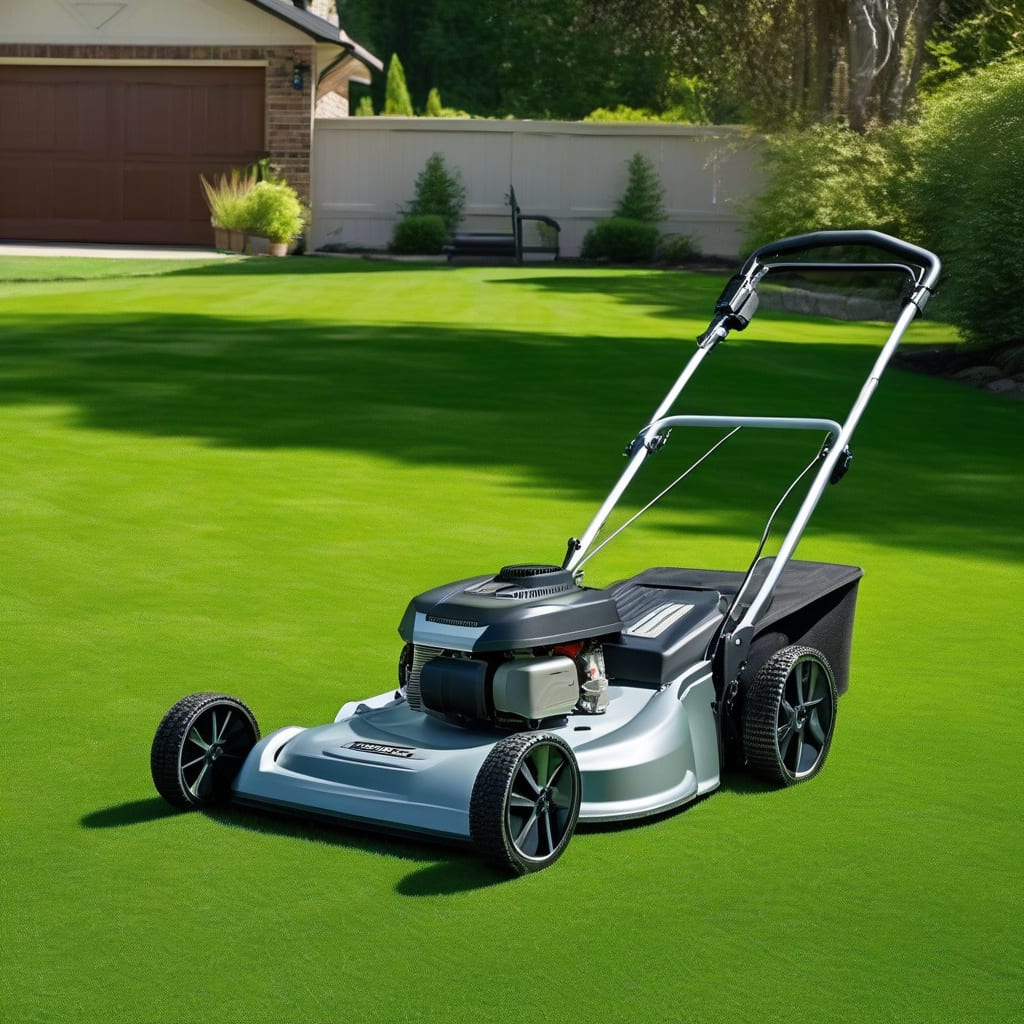
When I first started growing 🌿 Grass, I wondered when to mow it for the first time. Letting it grow too long or cutting it too short can be harmful. The ideal height for the first cut is crucial for establishing a healthy lawn.
In USDA Zone 6, where I live, the key is to wait until your new grass reaches 3-4 inches in height before cutting. This allows the roots to establish themselves properly. Proper mowing techniques will be discussed next to help you achieve a lush lawn.

When I first started growing new grass, I wondered how tall I should let it grow before cutting it for the first time. The ideal height is crucial for establishing a healthy lawn. In general, it’s recommended to wait until your new grass reaches 3-4 inches in height before cutting it for the first time 🌿.
The optimal height can vary depending on factors like grass type and growing conditions. For example, cool-season grasses like Kentucky bluegrass and perennial ryegrass typically require a slightly different mowing height than warm-season grasses like Bermudagrass and zoysiagrass. Understanding these factors will help you determine the best time to mow your new grass.
Maintaining the right mowing height is essential for promoting healthy growth and preventing damage to your new grass. Cutting too short can stress the grass, while leaving it too long can lead to other issues like disease or pest problems. By understanding the ideal height for your specific grass type, you can ensure a lush and thriving lawn 🌱.
For most cool-season grasses, the ideal height for the first mow is between 3-3.5 inches. Warm-season grasses typically require a slightly lower mowing height, usually around 2.5-3 inches. It’s also important to consider the specific variety of grass you have, as some may have different requirements.
When mowing your new grass for the first time,
In addition to the initial mowing height, it’s essential to maintain a consistent mowing schedule to keep your lawn healthy. This includes adjusting your mowing height as needed based on the growth rate of your grass and the time of year. By doing so, you’ll be able to enjoy a lush, vibrant lawn throughout the growing season.
To further support healthy growth, consider fertilizing your lawn at the appropriate times. For most grass types, a balanced fertilizer applied during the growing season can help promote dense, healthy growth. Be sure to follow the recommended application rates and timing for your specific grass type.
By combining proper mowing techniques with other lawn care best practices, you can achieve a beautiful and resilient lawn that enhances your outdoor space.
As you continue to care for your new lawn, keep in mind that patience and consistency are key. With the right approach, you’ll be enjoying a healthy, vibrant lawn in no time.
When cutting new grass for the first time, it’s essential to use the right mowing techniques to avoid damaging the lawn. I recommend setting your mower blade to the recommended height for your specific grass type to prevent stressing the grass 🌿.
Before you start mowing, make sure your mower is in good condition. A sharp blade is crucial for a clean cut, which helps prevent tearing the grass. Additionally, ensure that your mower is set to the correct mowing height to avoid cutting too much of the grass at once.
When mowing new grass for the first time, leave the grass clippings on the lawn to help retain moisture and reduce waste. This is especially beneficial during the establishment phase.
It’s also important to mow at the right time. Mowing when the grass is dry will help prevent the spread of disease and make the job easier. Avoid mowing when the grass is wet, as this can lead to uneven cutting and potential damage to the lawn.
After the first mow, continue to maintain a regular mowing schedule. The frequency will depend on the growth rate of your grass and the time of year. For most lawns, mowing once a week during the growing season is sufficient.
By following these best practices for cutting new grass, you’ll be able to establish a healthy and thriving lawn.
As your lawn continues to grow, be prepared to adjust your mowing schedule as needed. This may involve changing the mowing height or frequency based on factors like weather conditions and grass growth rates.
With patience and proper care, your new lawn will become a beautiful and resilient part of your outdoor space. By combining proper mowing techniques with other lawn care best practices, you’ll be enjoying a lush, vibrant lawn in no time 🌸.
After you’ve mowed your new grass for the first time, it’s essential to maintain a consistent mowing schedule to promote healthy growth. The frequency of mowing will depend on factors like grass type, weather conditions, and growth rate 🌿.
Adjust your mowing height according to the season and grass growth rate. For most cool-season grasses, maintain a height of 3-3.5 inches during the growing season.
Keep your mower blades sharp to prevent tearing the grass. Dull blades can cause significant stress to your lawn, making it more susceptible to disease and pests.
Leave the grass clippings on the lawn to act as a natural fertilizer and help retain moisture. This practice is especially beneficial during the establishment phase 🌱.
By following these maintenance tips, you’ll be able to promote healthy growth and enjoy a lush, vibrant lawn throughout the growing season.
As your lawn continues to grow and mature, be prepared to make adjustments to your lawn care routine. This may include changing your mowing height, fertilizing, and controlling weeds. With the right approach, you’ll be enjoying a beautiful and resilient lawn in no time 🌸.
I recommend keeping a close eye on your lawn’s progress and making adjustments as needed. By doing so, you’ll be able to address any issues promptly and maintain a healthy, thriving lawn.
