
Beautiful Plants For Your Interior
Beautiful Plants For Your Interior
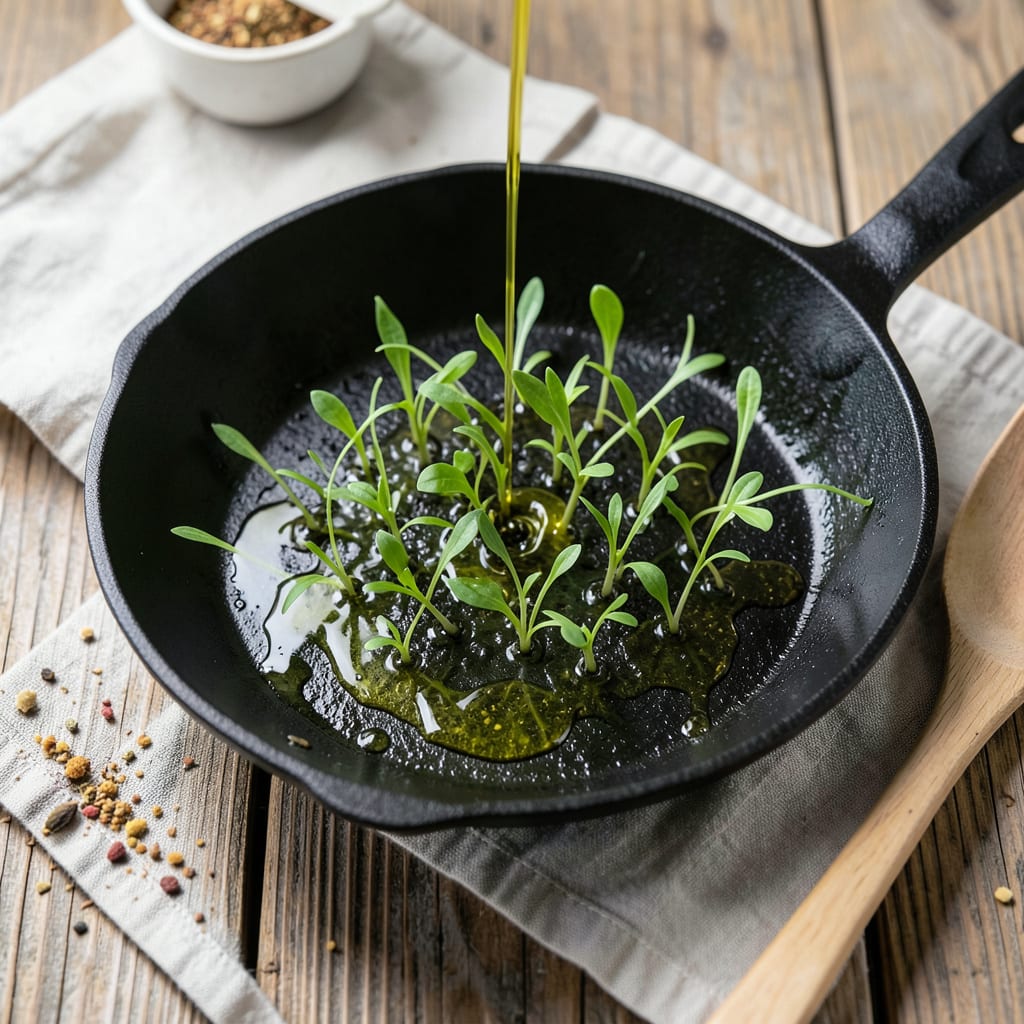
Fertilizing new Grass 🌿 seedlings at the right time is crucial for a healthy lawn. I remember when I first started growing Grass in USDA Zone 6, I wasn’t sure when to fertilize.
Now I know that timing is everything – fertilizing too early can damage delicate seedlings, while waiting too long can slow their growth. Let’s explore the best time to fertilize your new Grass seedlings for optimal results.

Understanding the growth stages of new grass seedlings is crucial for determining the best time to fertilize. Grass seedlings go through several development stages, each with specific needs 🌱.
The first stage is germination, where the seed sprouts and develops its first roots and leaves. This typically occurs within 7-14 days after seeding, depending on the grass type and environmental conditions.
During this stage, the seed absorbs water, breaks dormancy, and sprouts its first root (radicle) and leaf (coleoptile).
The seedling develops its first true leaves and begins to photosynthesize. It’s crucial to maintain consistent moisture during this stage.
The grass seedling develops a more extensive root system and additional leaves. This stage is critical for fertilization as it supports healthy growth.
Fertilization timing is closely tied to these development stages. Generally, it’s recommended to fertilize when the seedlings reach 2-3 inches tall, usually around 4-6 weeks after seeding. This timing supports the establishment of a strong root system and promotes healthy growth 🌱.
By understanding these growth stages, you can better plan your fertilization schedule to support the health and development of your new grass seedlings.
Fertilization at the right stage can significantly impact the health and density of your lawn. It’s essential to choose the right type of fertilizer and apply it correctly to avoid damaging the seedlings.
The type of fertilizer used is also critical. A balanced fertilizer with a ratio such as 10-10-10 NPK is often recommended for new grass seedlings.
Application rates should be followed according to the manufacturer’s instructions to avoid over-fertilizing, which can harm the seedlings.
Over-fertilizing can lead to fertilizer burn, damaging the seedlings and potentially killing them. It’s crucial to follow the recommended application rates and timing.
In addition to fertilization, maintaining proper mowing and watering practices is essential for the health of new grass seedlings.
Mowing height should be kept at the recommended level for the specific grass type to promote healthy growth and prevent weed invasion.
Watering should be done deeply but infrequently to encourage deep root growth, making the grass more drought-resistant.
By combining proper fertilization with good mowing and watering practices, you can establish a lush, healthy lawn that will thrive for years to come 🌿.
Fertilizing new grass seedlings at the right time is critical for healthy growth. I always recommend waiting until seedlings reach 2-3 inches tall, usually about 4-6 weeks after seeding 🌱.
The ideal fertilization timing depends on both the growth stage and the season. For most grass types, spring and fall are the best seasons for fertilization as they promote healthy growth and root development 🌿.
When fertilizing in spring, it’s essential to choose a balanced fertilizer that promotes overall growth. A fertilizer with an NPK ratio of 10-10-10 is typically recommended.
In fall, fertilization helps promote root growth and prepares the grass for the next growing season. This is a critical time to ensure your lawn remains healthy throughout the year 🌿.
For summer fertilization, if needed, use a light application to maintain growth without over-fertilizing. Always follow the manufacturer’s instructions for application rates.
During winter, it’s best to skip fertilizing as most grass types are dormant and do not require additional nutrients.
By following these guidelines, you can ensure your new grass seedlings receive the nutrients they need at the right time, promoting a healthy, lush lawn 🌱.
Choosing the right fertilizer type is crucial for newly seeded lawns. I recommend using a balanced fertilizer with an NPK ratio of 10-10-10 for optimal growth 🌱.
The application method is also important. Follow the manufacturer’s instructions for the correct application rate to avoid over-fertilizing, which can damage the seedlings.
Apply fertilizer in the early morning when dew is still present to help it stick to the grass blades.
Fertilizer application timing is critical. For new grass seedlings, the first fertilization should occur when they reach 2-3 inches tall, usually about 4-6 weeks after seeding.
After the initial application, subsequent fertilizations can be done based on the fertilizer type and the specific needs of your lawn. Generally, balanced fertilizers can be applied every 4-6 weeks during the growing season 🌿.
It’s also essential to maintain proper mowing and watering practices alongside fertilization. Keep your mowing height at the recommended level for your grass type, and water deeply but infrequently to encourage deep root growth.
By combining the right fertilizer type and application timing with good lawn care practices, you can establish a healthy, lush lawn that will thrive for years to come.
You can start fertilizing when your grass seedlings reach 2-3 inches tall, usually about 4-6 weeks after seeding. This timing supports healthy growth and root development.
A balanced fertilizer with an NPK ratio of 10-10-10 is recommended for new grass seedlings. This type of fertilizer provides equal amounts of nitrogen, phosphorus, and potassium, promoting overall growth and development. It’s suitable for most grass types and helps establish a strong root system.
For new grass seedlings, fertilize every 4-6 weeks during the growing season. Start when they’re 2-3 inches tall, and continue with a balanced fertilizer. Be sure to follow the manufacturer’s instructions for application rates to avoid over-fertilizing. Regular fertilization promotes healthy growth and a lush lawn.
No, the best seasons to fertilize new grass seedlings are spring and fall. These seasons promote healthy growth and root development. In summer, use light feeding if necessary, and skip fertilizing during winter when most grass types are dormant. Adjust your fertilization schedule according to the season for optimal results.
