
Beautiful Plants For Your Interior
Beautiful Plants For Your Interior
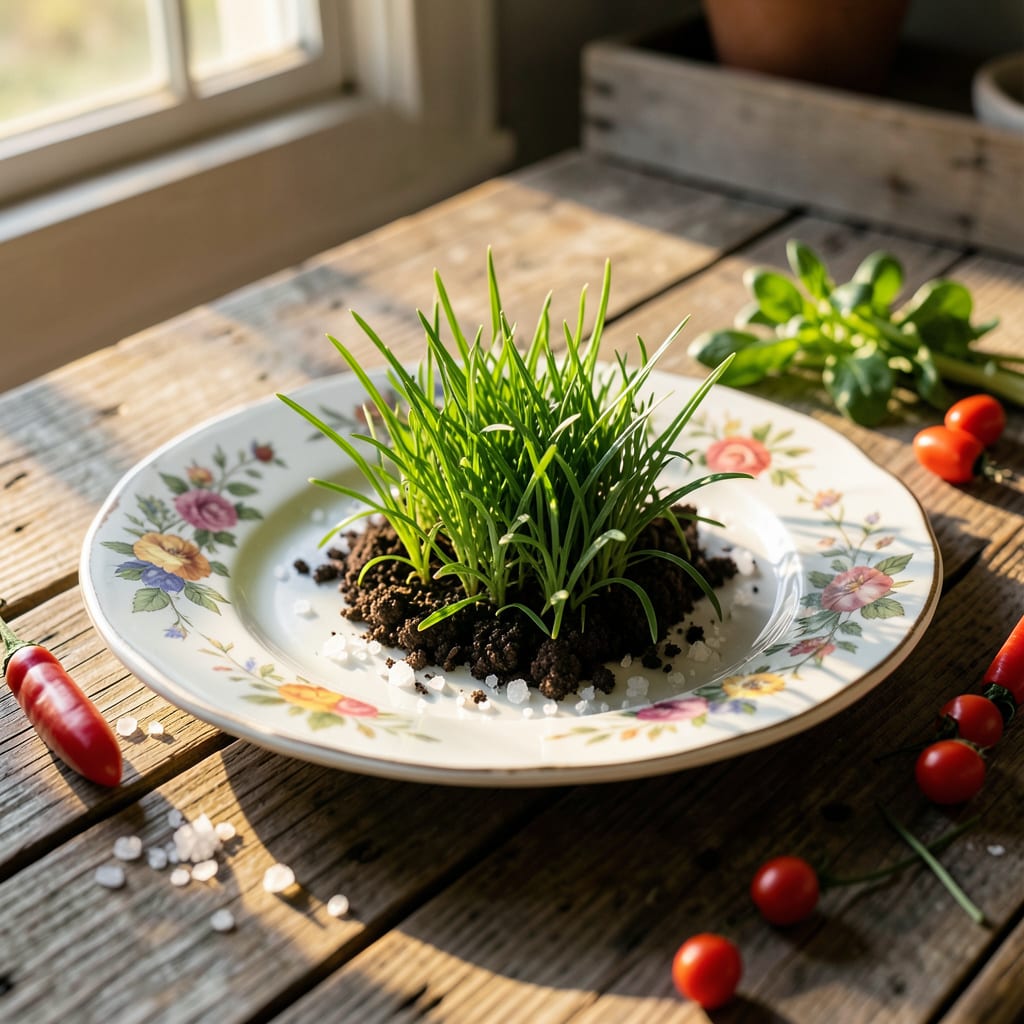
Fertilizing new Grass 🌿 at the right time is crucial for a healthy lawn. I’ve learned that timing is everything when it comes to giving your new grass the nutrients it needs to thrive.
In USDA Zone 6, the growing season typically starts in spring, making it an ideal time to fertilize. Let’s explore the best practices for fertilizing your new grass.

When it comes to fertilizing new grass seedlings, timing is everything. I’ve found that the best time to fertilize depends on the type of grass and its growth stage. For most cool-season grasses, fertilization should start when the seedlings are about 4-6 inches tall. This usually occurs 4-6 weeks after seeding 🌱.
For warm-season grasses, it’s best to wait until they’re about 6-8 inches tall, which can take around 6-8 weeks after seeding. Understanding the specific needs of your grass type is crucial for optimal fertilization.
Fertilizing at the right time ensures that your new grass seedlings receive the necessary nutrients for healthy growth. It’s also important to consider the soil type and condition when deciding on the fertilizer application rate 🌿.
For newly seeded lawns, it’s generally recommended to use a starter fertilizer that is high in phosphorus to promote root development. This type of fertilizer is especially beneficial during the initial growth stages.
The frequency of fertilization also plays a crucial role in the health of your new grass. Typically, you should fertilize every 4-6 weeks during the growing season, but this can vary depending on the specific fertilizer used and the grass type.
Understanding the optimal timing and type of fertilizer for your new grass seedlings is key to achieving a lush, healthy lawn. By following these guidelines, you can ensure your grass gets the best start possible 🌿.
It’s also worth noting that soil temperature can impact the effectiveness of fertilization. Most grass types thrive when soil temperatures are between 55-65°F, which is typical during the spring and early summer months.
By paying attention to these factors and adjusting your fertilization schedule accordingly, you can promote healthy growth and development in your new grass seedlings.
For more specific advice tailored to your local climate and grass type, consulting with a local gardening expert or extension office can provide valuable insights.
Additionally, always follow the manufacturer’s instructions on the fertilizer package to avoid over-fertilizing, which can harm your new grass seedlings.
Proper fertilization, combined with adequate watering and mowing practices, will help your new grass seedlings establish a strong root system and achieve optimal growth.
Fertilizing new grass requires careful consideration of several factors to ensure maximum growth and health. I’ve found that using the right type of fertilizer and applying it correctly makes a significant difference 🌿.
The first step is to choose a balanced fertilizer that contains equal parts nitrogen, phosphorus, and potassium (NPK). A 10-10-10 NPK ratio is often recommended for new grass as it provides the necessary nutrients for healthy growth.
For new grass, consider using a starter fertilizer high in phosphorus to promote root development. Apply at the recommended rate to avoid over-fertilization.
When applying fertilizer, it’s essential to follow the manufacturer’s instructions to avoid over-fertilizing, which can damage your new grass. Typically, you should apply fertilizer at a rate of 1 lb per 1000 sq ft.
The best time to fertilize is usually in the early morning or late afternoon when the grass is dry. This helps prevent the fertilizer from being washed away by rain or irrigation.
In addition to choosing the right fertilizer and application rate, it’s also crucial to consider the soil type and condition. Different soils have varying nutrient requirements, and adjusting your fertilization schedule accordingly can help optimize growth.
For example, if your soil is sandy, it may require more frequent fertilization due to its low nutrient-holding capacity. On the other hand, clay soils may require less frequent fertilization as they tend to retain nutrients longer.
By following these guidelines and taking into account the specific needs of your new grass, you can create a fertilization plan that promotes healthy growth and development 🌿.
Regular fertilization, combined with proper watering and mowing practices, will help your new grass establish a strong root system and achieve optimal growth.
Fertilizing new grass can be tricky, and I’ve seen many homeowners make common mistakes that can harm their lawn. One of the most significant errors is over-fertilizing, which can cause excessive growth, burning, and even contamination of waterways 🌿.
Be cautious of over-fertilization as it can damage your new grass and harm the environment. Always follow the recommended application rates.
Another mistake is under-fertilizing, which can lead to poor growth and inadequate nutrient supply. It’s essential to strike the right balance when fertilizing your new grass.
The timing of fertilization is also critical. Fertilizing too early or too late can be ineffective or even harmful. For most cool-season grasses, fertilization should start when the seedlings are about 4-6 inches tall, usually 4-6 weeks after seeding.
To avoid these common mistakes, it’s crucial to understand your grass type and its specific needs. Different grass types have varying nutrient requirements, and adjusting your fertilization schedule accordingly can help optimize growth 🌿.
By being aware of these potential pitfalls and taking steps to avoid them, you can ensure your new grass receives the necessary nutrients for healthy growth and development.
For more specific advice tailored to your local climate and grass type, consulting with a local gardening expert or extension office can provide valuable insights.
For most cool-season grasses, you can start fertilizing when the seedlings are about 4-6 inches tall, usually 4-6 weeks after seeding. For warm-season grasses, wait until they’re 6-8 inches tall, typically 6-8 weeks after seeding. Always check your specific grass type for exact timing.
A balanced fertilizer (10-10-10 NPK) is generally recommended for new grass as it provides equal parts nitrogen, phosphorus, and potassium. For newly seeded lawns, consider a starter fertilizer high in phosphorus to promote root development. This helps establish a strong root system.
Typically, you should fertilize new grass every 4-6 weeks during the growing season. However, this frequency can vary depending on the specific fertilizer used and your grass type. Always follow the manufacturer’s instructions to avoid over-fertilizing, which can damage your lawn.
Yes, but be cautious. Wait until your grass is established (usually 4-6 weeks after seeding) before applying fertilizer. Start with a weak solution or a starter fertilizer to avoid burning the young seedlings. This helps prevent damage and promotes healthy growth.
