
Beautiful Plants For Your Interior
Beautiful Plants For Your Interior
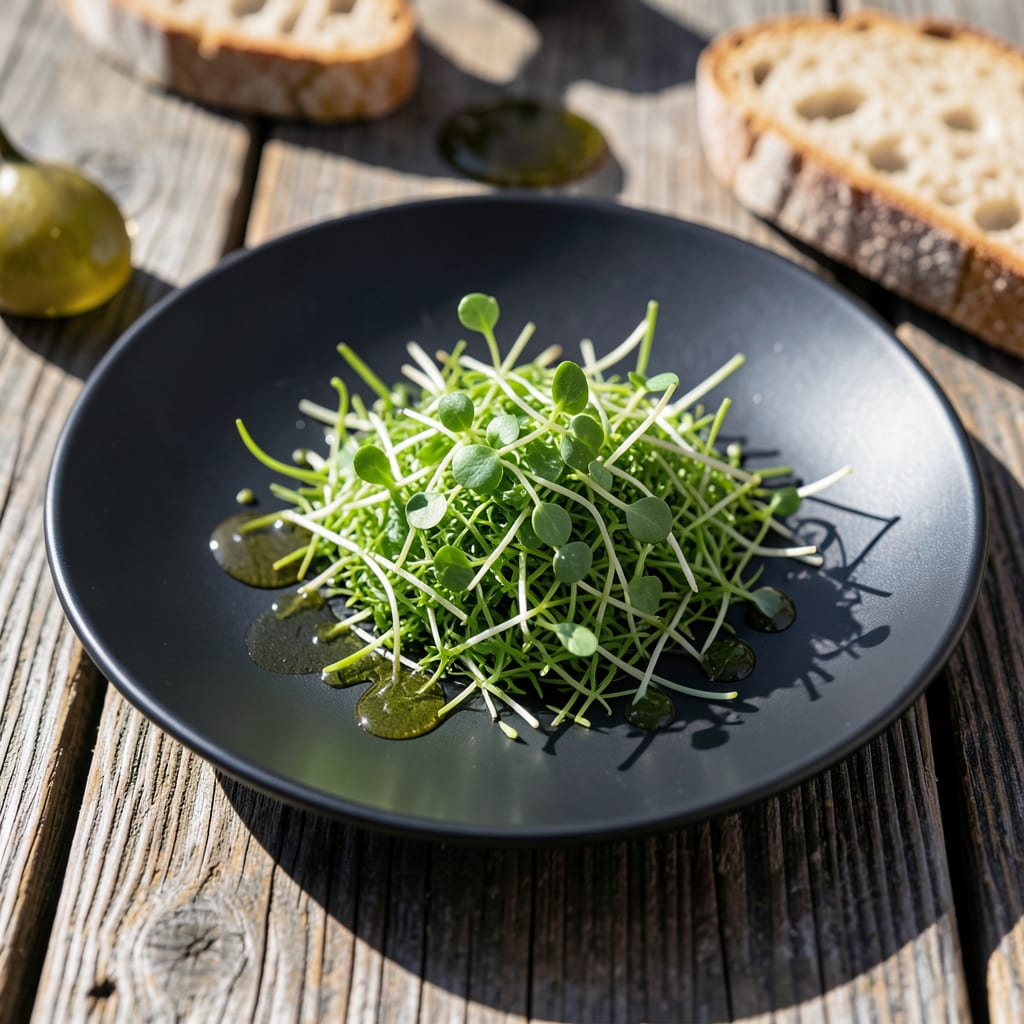
Starting new Grass 🌿 from seed can be exciting, but timing is everything when it comes to fertilization. Fertilizing too early can damage delicate seedlings, while waiting too long can leave them struggling to establish.
I recommend waiting until your new Grass is about 2-3 inches tall before applying fertilizer, typically 4-6 weeks after seeding. This allows the seedlings to develop a strong root system and absorb the nutrients effectively.

Fertilizing new grass seed at the right time is crucial for healthy growth. The timing depends on factors like seed type, climate, and growth stage. Generally, you should wait until your new grass is about 2-3 inches tall before applying fertilizer.
This typically occurs 4-6 weeks after seeding, allowing seedlings to develop a strong root system and absorb nutrients effectively. Fertilizing too early can damage delicate seedlings, while waiting too long can leave them struggling to establish 🌱.
The ideal time to fertilize is when seedlings are actively growing and have reached a height of 2-3 inches. This is usually 4-6 weeks after seeding. Using a starter fertilizer with a balanced NPK ratio is recommended for new grass seed.
Climate and soil conditions also play a significant role in determining the best time to fertilize. In a cool-season climate, fertilize in early spring or fall. In a warm-season climate, fertilize in late spring to early summer 🌿.
Monitoring your grass’s growth and adjusting your fertilization schedule accordingly is key to achieving a lush, healthy lawn. Regular soil testing can also help determine the specific nutrient needs of your lawn.
Fertilizing at the right time ensures that your grass seedlings receive the necessary nutrients to establish a strong root system and promote healthy growth. This leads to a denser, more resilient lawn that can withstand environmental stresses.
By understanding the optimal timing for fertilizing new grass seed, you can give your lawn the best possible start and enjoy a beautiful, thriving landscape for years to come.
Proper fertilization timing is just one aspect of successful lawn care. Combining it with proper watering, mowing, and maintenance will result in a healthy, vibrant lawn that enhances your outdoor space.
Always follow the instructions on the fertilizer package and consider consulting with a local gardening expert to determine the best fertilization schedule for your specific lawn needs.
Choosing the right fertilizer for new grass seed is critical for establishing a healthy lawn. The type of fertilizer and its NPK ratio can significantly impact the growth and development of your seedlings 🌱.
I recommend using a starter fertilizer that is specifically formulated for new grass seed. These fertilizers typically have a balanced NPK ratio, such as 10-10-10 or 15-15-15, which provides the necessary nutrients for seedling growth.
When selecting a fertilizer, consider the specific needs of your lawn, including soil type, climate, and grass species. A soil test can help determine the nutrient deficiencies in your soil and guide your fertilizer choice 🌿.
Organic fertilizers are a great option for those looking for an environmentally friendly choice. They release nutrients slowly, promoting healthy growth without the risk of over-fertilization.
Synthetic fertilizers, on the other hand, provide quick results and allow for precise control over nutrient levels. However, they require careful application to avoid over-fertilizing.
I always recommend
By choosing the right fertilizer and applying it at the correct time, you can give your new grass seed the best possible start and enjoy a healthy, thriving lawn for years to come 🌟.
Fertilizing new grass seed requires careful consideration to avoid common mistakes that can hinder growth 🌱. One of the most critical errors is fertilizing too early, which can damage delicate seedlings.
I recommend waiting until your grass is about 2-3 inches tall before applying fertilizer. This typically occurs 4-6 weeks after seeding. Using a starter fertilizer with a balanced NPK ratio is also crucial for promoting healthy growth.
Avoid over-fertilizing as it can cause burning and damage to new grass seed. Always follow the recommended application rates and guidelines.
Over-fertilization is another common mistake that can lead to excessive growth, making your lawn more susceptible to disease and pests. It’s essential to follow the instructions on the fertilizer package and consider consulting with a local gardening expert for personalized advice.
By avoiding these common mistakes and following best practices, you can ensure your new grass seed gets the best possible start, resulting in a healthy, thriving lawn 🌿.
Wait until your new grass is about 2-3 inches tall, typically 4-6 weeks after seeding. This allows seedlings to develop a strong root system and absorb nutrients effectively. Fertilizing too early can damage delicate seedlings .
A starter fertilizer with a balanced NPK ratio (such as 10-10-10 or 15-15-15) is recommended for new grass seed. This provides the necessary nutrients for seedling growth and promotes healthy establishment .
No, it’s best to avoid fertilizing immediately after seeding. Wait until seedlings are established and about 2-3 inches tall. Fertilizing too early can damage or kill young seedlings .
Fertilize your new lawn every 4-6 weeks during the growing season. Start with a starter fertilizer when seedlings are 2-3 inches tall, then follow up with regular lawn fertilizer according to the product’s instructions .
