
Beautiful Plants For Your Interior
Beautiful Plants For Your Interior
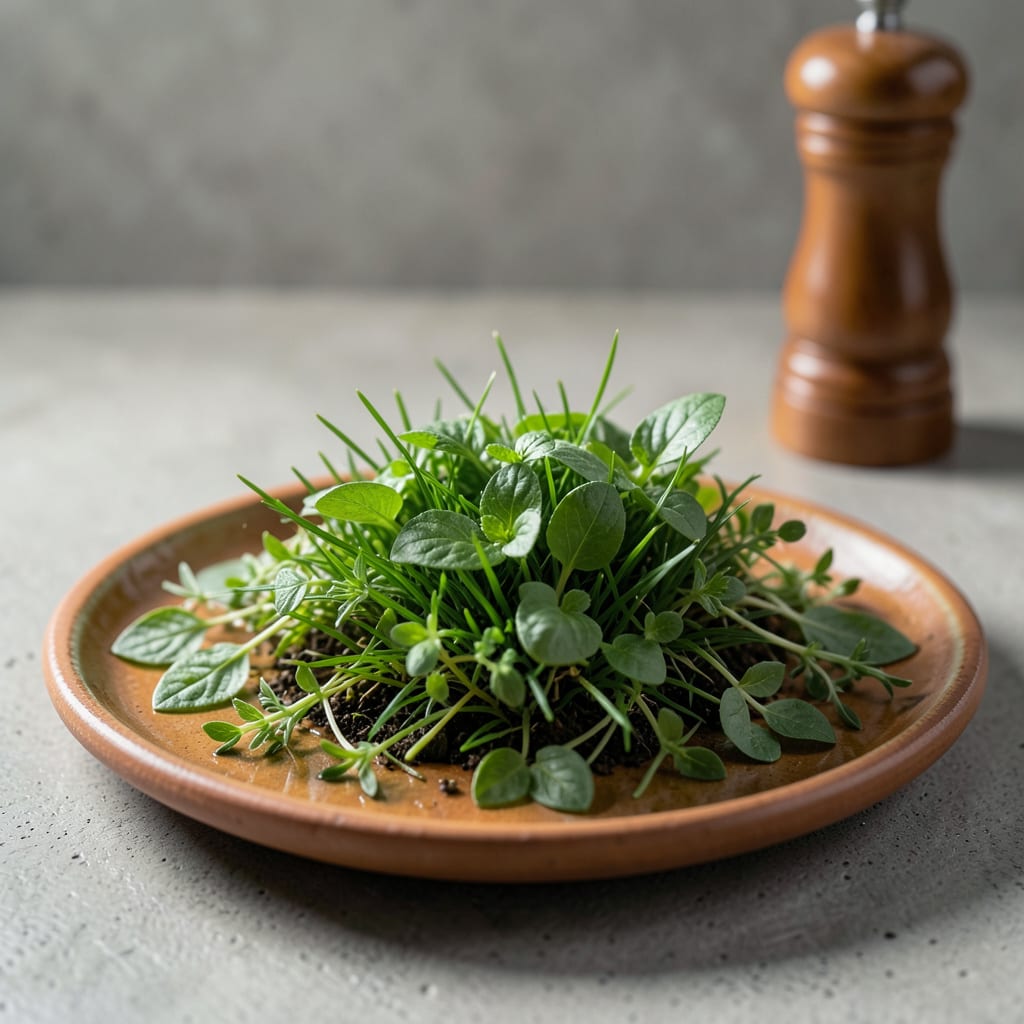
Fertilizing your Zoysia Grass 🌿 at the right time is crucial for maintaining its lush appearance. In USDA Zone 6, the growing season is key to determining the best fertilization schedule.
I recommend fertilizing during late spring to early summer when your Zoysia Grass is actively growing. This timing ensures optimal nutrient absorption and promotes healthy growth throughout the summer months.

Fertilizing Zoysia Grass at the right time is crucial for its health and appearance. In USDA Zone 6, the ideal time to fertilize is during late spring to early summer when the grass is actively growing 🌿.
I recommend starting your fertilization schedule when the grass begins to turn green, typically around late April to early May. This timing ensures that your Zoysia Grass receives the necessary nutrients for optimal growth during the growing season.
The fertilization frequency for Zoysia Grass is typically every 4-6 weeks during the growing season. It’s essential to use a balanced, slow-release fertilizer to provide a steady supply of nutrients 🌟.
For optimal results, apply the fertilizer in the early morning or late afternoon when the grass is most receptive. Ensure you follow the recommended application rate of 1 lb per 1000 sqft to avoid over-fertilization 🚨.
Understanding the specific needs of your Zoysia Grass, including its variety and the local climate conditions, will help you tailor your fertilization strategy for the best outcomes 🌱.
I always recommend checking the soil type and condition before applying any fertilizer. This helps in making informed decisions about the type and amount of fertilizer needed.
By following these guidelines, you can maintain a lush, green, and healthy Zoysia Grass lawn throughout the growing season 🌿.
Regular monitoring of your lawn’s response to fertilization will allow you to adjust your strategy as needed, ensuring optimal growth and health 🌟.
It’s also beneficial to consider the specific nutrient needs of your Zoysia Grass variety. Some varieties may require more frequent or different types of fertilization.
By understanding and implementing the right fertilization schedule, you can enjoy a vibrant and resilient Zoysia Grass lawn year after year 🌿.
Understanding the growth stages of Zoysia Grass is essential for effective fertilization. The grass goes through different phases, including establishment, active growth, and dormancy 🌿.
I recommend tailoring your fertilization strategy to these specific stages to ensure optimal nutrient absorption and minimize waste. During the establishment phase, typically in late spring, a balanced fertilizer helps promote root development and establishment 🌟.
For newly established Zoysia Grass, consider using a starter fertilizer with higher phosphorus content to promote root growth 🌱.
During the active growth phase in early summer, maintain regular fertilization every 4-6 weeks with a balanced, slow-release fertilizer. This supports healthy growth and maintains the lush appearance of the grass 🌿.
As the grass enters the dormancy phase in fall, reduce fertilization to a light feeding to prepare it for the next growing season. This helps in maintaining the health and vigor of the grass during the dormant period 🌟.
It’s crucial to monitor your Zoysia Grass’s response to fertilization and adjust your strategy accordingly. Factors such as soil type, climate conditions, and grass variety can influence the fertilization needs 🌿.
I always suggest keeping a record of your fertilization schedule and observing the grass’s response. This helps in making informed decisions for future fertilization needs 📝.
By understanding and implementing stage-specific fertilization strategies, you can promote healthy growth and maintain a vibrant Zoysia Grass lawn throughout the year 🌟.
Fertilizing Zoysia Grass requires careful consideration to avoid common mistakes that can harm its health and appearance 🌿.
I recommend being aware of the potential pitfalls in fertilization to ensure your grass remains healthy and vibrant. One of the most significant errors is over-fertilization, which can lead to excessive growth, increased susceptibility to disease, and environmental pollution 🚨.
Avoid applying too much fertilizer, as this can cause burning and damage to the grass. Always follow the recommended application rates 📝.
Another common mistake is under-fertilization, where the grass does not receive enough nutrients to support healthy growth. This can result in a weak and sparse lawn 🌿.
To avoid these mistakes, it’s essential to monitor your Zoysia Grass’s response to fertilization and adjust your strategy accordingly. Factors such as soil type, climate conditions, and grass variety can influence the fertilization needs 🌟.
I always suggest keeping a record of your fertilization schedule and observing the grass’s response. This helps in making informed decisions for future fertilization needs 📝.
By understanding and avoiding common fertilization mistakes, you can promote healthy growth and maintain a vibrant Zoysia Grass lawn throughout the year 🌿.
Fertilize your Zoysia Grass every 4-6 weeks during the growing season for optimal growth. This frequency ensures a steady supply of nutrients without over-fertilizing. Regular fertilization promotes healthy growth and maintains the lush appearance of the grass .
A balanced, slow-release fertilizer with an NPK ratio of 10-10-10 or 16-4-8 is ideal for Zoysia Grass. This type of fertilizer provides a steady supply of nutrients, promoting healthy growth and minimizing waste. It’s suitable for most soil types and climate conditions .
Yes, but reduce fertilization to a light feeding in the fall to prepare the grass for the next growing season. Avoid heavy fertilization as it can promote new growth that may be damaged by winter frost. A light application helps maintain the health and vigor of the grass during dormancy .
Over-fertilizing can lead to excessive growth, increased susceptibility to disease, and environmental pollution. It can also cause burning and damage to the grass. Always follow the recommended application rates to avoid these issues .
