
Beautiful Plants For Your Interior
Beautiful Plants For Your Interior
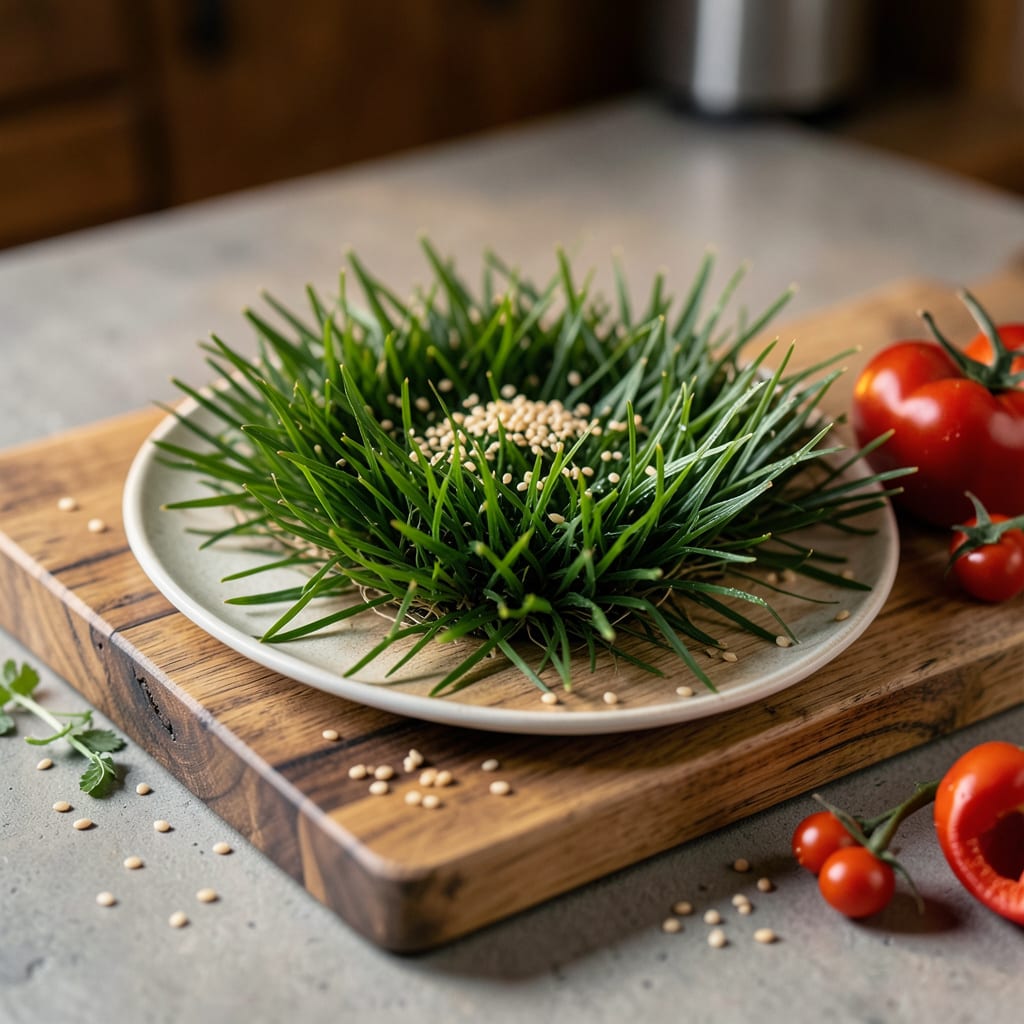
Fertilizing your Zoysia Grass 🌿 in Texas at the right time is crucial for a lush, healthy lawn. In Texas’s warm climate (USDA Zone 7b-9a), the growing season is long, and timing your fertilizer application correctly makes all the difference.
I recommend fertilizing your Zoysia Grass when it’s actively growing, typically in late spring to early summer. This ensures your lawn gets the nutrients it needs to thrive during the hot summer months. Let’s dive into the details.

Understanding the best times to fertilize your Zoysia Grass in Texas is crucial for maintaining a healthy and lush lawn. The state’s warm climate means your grass will have different nutrient needs throughout the year 🌿.
In Texas, where the USDA Zone ranges from 7b to 9a, Zoysia Grass is a popular choice due to its drought tolerance and low maintenance requirements. However, it still needs proper fertilization to thrive, especially during its active growing season.
The ideal months for fertilizing Zoysia Grass in Texas are May and June, when the grass is actively growing. You can also consider fertilizing in April, July, August, and September, although the intensity may vary based on your specific location and lawn conditions.
For optimal results, use a balanced fertilizer (e.g., 10-10-10 or 15-5-10 NPK) and follow the recommended application rates. It’s also essential to choose a slow-release fertilizer to provide nutrients to your lawn over an extended period.
Fertilization should be done every 4-6 weeks during the growing season, typically from late spring to early fall. Be sure to water your lawn adequately after fertilizing to help the nutrients reach the roots.
One critical factor to consider is the last frost date in your area, which usually occurs between February 15 and March 15 in Texas. You should time your first fertilization after this period, when the grass starts to green up.
Regional variations within Texas may affect the specific fertilization needs of your Zoysia Grass. For instance, lawns in the coastal regions may require more frequent fertilization due to the higher humidity and rainfall, while those in inland areas might need less frequent applications.
To determine the best fertilization schedule for your lawn, consider factors such as soil type, climate, and the specific needs of your Zoysia Grass variety. You may also want to consult with local gardening experts or your county extension office for more tailored advice.
By following these guidelines and adjusting your fertilization schedule according to your lawn’s needs, you can enjoy a lush, healthy, and vibrant Zoysia Grass lawn throughout the year 🌿.
For more specific advice on fertilizing Zoysia Grass in different regions of Texas, you can refer to local gardening resources or consult with a lawn care professional. They can provide valuable insights into the unique challenges and opportunities presented by the local climate and soil conditions.
Additionally, be sure to monitor your lawn’s response to fertilization and adjust your strategy as needed. This may involve adjusting the frequency or type of fertilizer based on how your grass responds.
Maintaining healthy Zoysia Grass in Texas requires proper fertilization techniques 🌿. The state’s warm climate means your grass needs nutrient-rich soil to thrive during the growing season.
I recommend using a balanced fertilizer with a ratio like 10-10-10 or 15-5-10 NPK. This provides your Zoysia Grass with the necessary nutrients for healthy growth and dense coverage.
Fertilize your Zoysia Grass in early morning or late afternoon when temperatures are cooler to prevent nutrient loss and reduce stress on the grass 🔥.
When applying fertilizer,
The frequency of fertilization is also crucial. During the growing season, typically from late spring to early fall, fertilize your Zoysia Grass every 4-6 weeks. This schedule ensures your lawn receives a consistent supply of nutrients to maintain its health and appearance.
Regional variations within Texas, such as coastal regions with higher humidity and rainfall, may require adjustments to your fertilization schedule. Lawns in these areas might need more frequent fertilization compared to those in inland areas.
To determine the best fertilization strategy for your specific lawn, consider factors like soil type, local climate conditions, and the specific needs of your Zoysia Grass variety. Consulting with local gardening experts or your county extension office can provide valuable insights tailored to your area.
By following these fertilization tips and adjusting your schedule according to your lawn’s needs, you can enjoy a lush, healthy, and vibrant Zoysia Grass lawn throughout the year 🌿.
Monitoring your lawn’s response to fertilization and making necessary adjustments is key to maintaining its health. Be prepared to adjust the frequency or type of fertilizer based on how your grass responds to ensure optimal results.
Fertilizing Zoysia Grass in Texas requires careful consideration to avoid common mistakes that can harm your lawn 🌿. Understanding these pitfalls will help you maintain a healthy and vibrant lawn throughout the year.
One of the most significant errors is over-fertilization. Applying too much fertilizer can cause excessive growth, leading to increased mowing frequency and potentially burning your lawn 🔥.
Avoid fertilizing during extreme weather conditions like intense heat or drought, as this can cause stress to your lawn and lead to poor nutrient absorption.
Another mistake is fertilizing at the wrong time. Fertilizing during the wrong season or when the grass is not actively growing can be ineffective and potentially harmful 🌱.
The type of fertilizer used is also critical. Using a fertilizer that is not balanced or slow-release can lead to uneven nutrient distribution and potentially harm your Zoysia Grass.
To avoid these mistakes, it’s essential to follow the recommended fertilization schedule and choose the right fertilizer for your lawn’s specific needs. Consulting with local gardening experts or your county extension office can provide valuable insights tailored to your area.
By being aware of these common mistakes and taking steps to avoid them, you can ensure your Zoysia Grass lawn remains healthy, lush, and vibrant throughout the year 🌿.
The ideal time to fertilize Zoysia Grass in Texas is in late spring to early summer, typically around May and June, when the grass is actively growing. This ensures your lawn gets the nutrients it needs to thrive during the hot summer months.
You should fertilize your Zoysia Grass every 4-6 weeks during the growing season, which typically spans from late spring to early fall. This frequency provides your lawn with a consistent supply of nutrients to maintain its health and appearance.
A balanced fertilizer with a ratio like 10-10-10 or 15-5-10 NPK is recommended for Zoysia Grass in Texas. It’s also essential to choose a slow-release fertilizer to provide nutrients to your lawn over an extended period. This helps promote healthy growth and dense coverage.
No, it’s best to avoid fertilizing your Zoysia Grass during extreme weather conditions like intense heat or drought. Fertilizing during these times can cause stress to your lawn and lead to poor nutrient absorption. Wait for more favorable conditions to ensure optimal results.
