
Beautiful Plants For Your Interior
Beautiful Plants For Your Interior
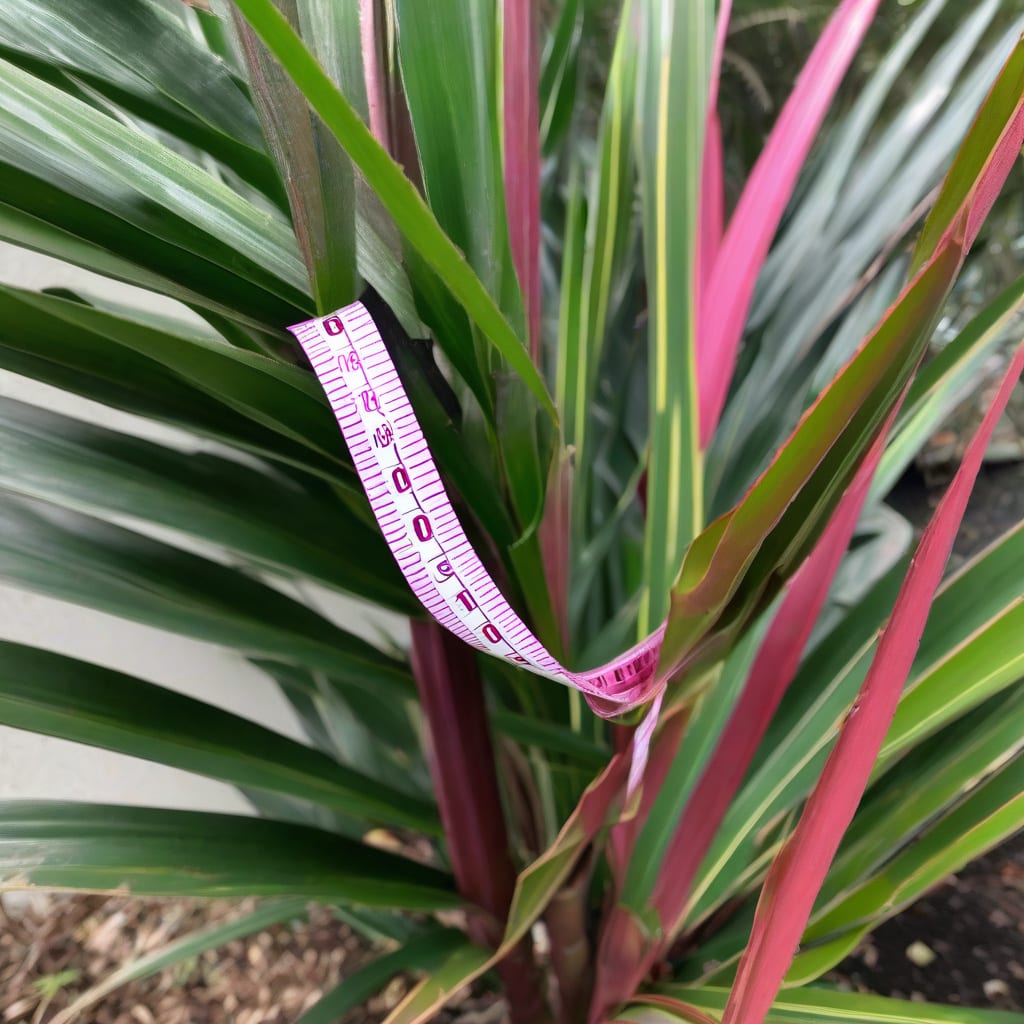
I’ve always been fascinated by the Hawaiian Ti Plant 🌿, a stunning addition to any tropical garden. Native to Hawaii, this beautiful shrub can grow quite tall, but understanding its growth potential is crucial for proper placement and care in your landscape.
Let’s explore how tall Hawaiian Ti Plants can grow and what factors influence their height, so you can make informed decisions about incorporating them into your outdoor space in USDA Zone 10b.


Hawaiian Ti plants are known for their impressive growth potential, reaching heights that can significantly impact garden design. Understanding their maximum height is crucial for proper placement and care.
The typical mature height of Hawaiian Ti plants ranges from 6 to 15 feet, making them a substantial presence in any landscape. This height range allows them to serve as effective privacy screens or statement pieces in tropical gardens.
The growth rate of Hawaiian Ti plants is generally considered moderate, with annual growth of about 1-2 feet under optimal conditions. This growth rate can be influenced by factors such as light exposure, soil quality, and watering practices 🌿.
Several factors can affect the ultimate height of Hawaiian Ti plants. Light exposure plays a significant role, with plants grown in brighter conditions typically reaching greater heights. Soil quality is another crucial factor, as well-draining, nutrient-rich soil supports healthier, more vigorous growth.
Watering practices also impact height potential. Consistent moisture, combined with careful avoidance of overwatering, helps maintain optimal growth rates. Proper fertilization during the growing season can further enhance the plant’s height potential.
It’s worth noting that Hawaiian Ti plants grown in containers may have their height restricted compared to those planted directly in the ground. Container size and soil quality become critical factors in managing the plant’s ultimate height in these situations.
Regular pruning practices can also influence the mature height of Hawaiian Ti plants. While pruning can help maintain a desired height, it can also stimulate new growth if not done carefully. The balance between controlling height and allowing natural growth is key to successful management.
Understanding the factors that influence Hawaiian Ti plant height allows gardeners to make informed decisions about plant placement and care. By providing optimal growing conditions and appropriate maintenance, gardeners can help their Hawaiian Ti plants reach their full height potential while maintaining a healthy and attractive landscape 🌴.
For gardeners in USDA Zone 10b, where Hawaiian Ti plants thrive, understanding these growth characteristics is particularly important for creating stunning tropical landscapes that showcase these beautiful plants at their best.
Proper planning and care can ensure that Hawaiian Ti plants reach their maximum height potential while maintaining their overall health and aesthetic appeal in the garden.
The height of Hawaiian Ti plants is influenced by several key factors that gardeners should consider for optimal growth. Understanding these elements helps in creating the right conditions for these beautiful plants to thrive 🌿.
Light exposure is one of the most critical factors affecting the growth height of Hawaiian Ti plants. These plants prefer partial shade to bright indirect light, typically requiring 4-6 hours of indirect sunlight daily. In ideal conditions with proper light exposure, Hawaiian Ti plants can reach their maximum height potential more effectively.
To maximize height, ensure Hawaiian Ti plants receive appropriate light exposure and maintain proper care practices throughout their growing season.
Soil quality plays a significant role in determining the height potential of Hawaiian Ti plants. These plants thrive in well-draining, nutrient-rich soil that supports healthy root development and overall growth. Gardeners should ensure the soil is amended with organic matter to improve its fertility and drainage.
Watering practices are another crucial factor influencing the height of Hawaiian Ti plants. Consistent moisture is essential, but overwatering should be avoided as it can lead to root rot and stunted growth. A balanced watering schedule helps maintain optimal growth rates and supports the plant in reaching its full height potential.
Fertilization during the growing season can further enhance the height potential of Hawaiian Ti plants. Using a balanced fertilizer (such as 10-10-10 NPK) every couple of months provides the necessary nutrients for vigorous growth and development.
Pruning practices also impact the mature height of Hawaiian Ti plants. While pruning can help maintain a desired height, it can also stimulate new growth if not done carefully. Gardeners should balance controlling height with allowing natural growth to achieve the best results 🌸.
By understanding and managing these factors, gardeners can create optimal conditions for their Hawaiian Ti plants to reach their full height potential while maintaining overall health and aesthetic appeal in the garden.
For gardeners in USDA Zone 10b, where Hawaiian Ti plants thrive year-round, paying attention to these factors is particularly important for achieving the desired height and enjoying the tropical beauty these plants bring to the landscape.
Regular monitoring and adjustment of these factors will help ensure that Hawaiian Ti plants grow to their maximum potential height while remaining healthy and vibrant throughout their lifespan.
Managing the height of Hawaiian Ti plants requires a combination of proper care techniques and regular maintenance. By understanding how to control or encourage height growth, gardeners can ensure their plants remain healthy and visually appealing 🌿.
Regular pruning helps maintain desired height while promoting healthy growth. Remove dead or damaged leaves to prevent disease spread.
Pruning is a crucial technique for managing Hawaiian Ti plant height. Regular pruning not only helps maintain a desired height but also promotes healthy growth by removing dead or damaged leaves. When pruning, it’s essential to use clean, sharp tools to prevent spreading diseases.
Container size plays a significant role in controlling the height of Hawaiian Ti plants, especially when grown in pots. Using a larger container can allow for more root development, potentially leading to taller plants. However, a smaller container can help restrict height if that’s the desired outcome.
Maintenance practices such as fertilization and watering also impact height management. Proper fertilization during the growing season supports vigorous growth, while consistent watering practices help maintain optimal growth rates.
By combining these techniques and tailoring them to specific gardening goals, it’s possible to effectively manage the height of Hawaiian Ti plants while maintaining their overall health and beauty 🌸.
For gardeners in USDA Zone 10b, where Hawaiian Ti plants can thrive year-round, implementing these height management strategies can help create stunning tropical landscapes that showcase these beautiful plants at their best.
Regular monitoring and adjustment of care practices will ensure that Hawaiian Ti plants remain healthy and achieve the desired height in the garden.
