
Beautiful Plants For Your Interior
Beautiful Plants For Your Interior
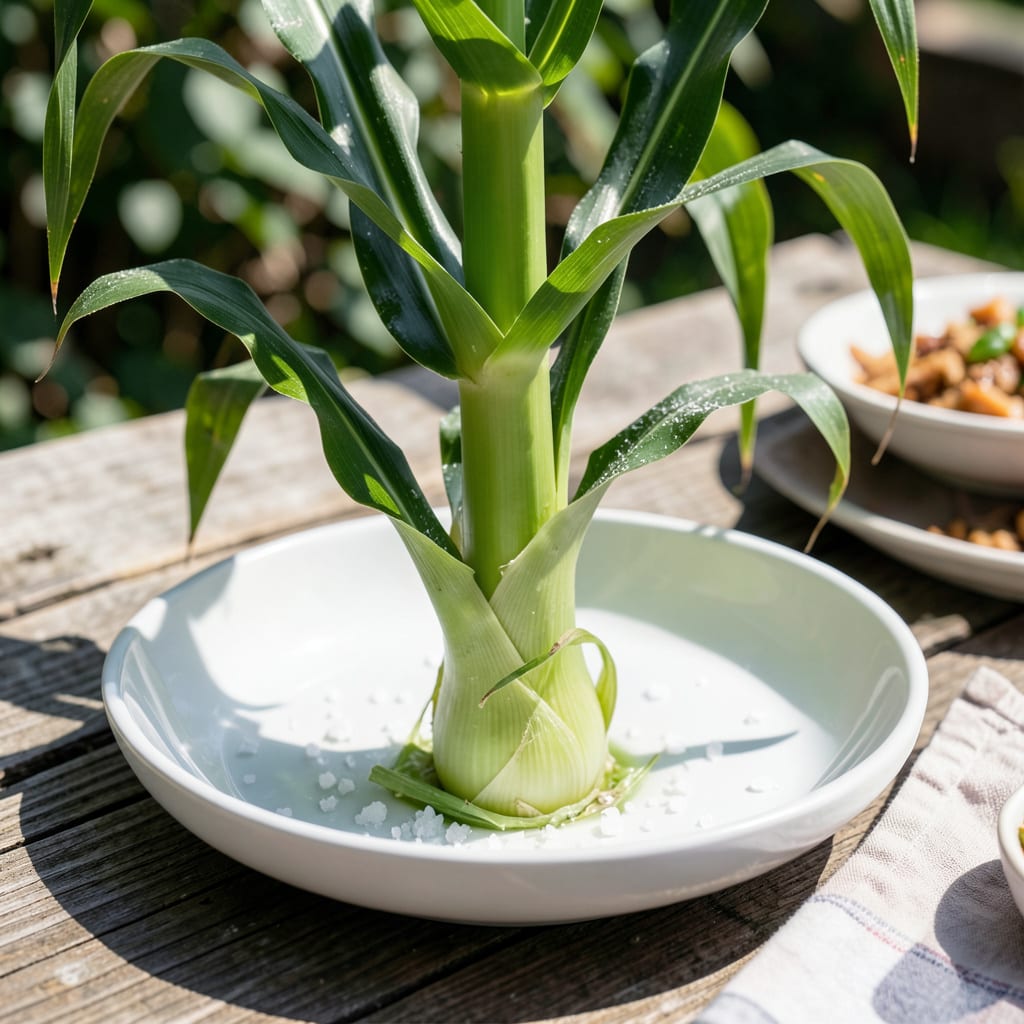
As I stand in my garden, surrounded by towering corn stalks 🌽, I’m reminded that understanding corn plant height is crucial for maximizing yield. The height of corn plants can vary significantly based on factors like genetics and growing conditions.
In USDA Zone 6, where I garden, corn plants typically grow between 6-10 feet tall. Let’s explore the factors that influence corn plant height and how to optimize growing conditions for maximum yield.


Corn plant height is influenced by multiple factors that gardeners and farmers need to consider for optimal growth. The genetic makeup of the corn variety plays a crucial role in determining its potential height, with different hybrids and heirlooms having varying growth characteristics 🌽.
Soil quality is another critical factor that affects corn plant height. The soil’s nutrient content, particularly nitrogen levels, significantly impacts corn growth. Well-draining soil with adequate organic matter helps promote healthy root development, which in turn supports taller plants.
Climate conditions, including temperature and rainfall patterns, also significantly influence corn plant height. Adequate moisture during critical growth stages is essential for maximizing height potential. Regions with warm summers and consistent rainfall tend to produce taller corn plants.
Farming practices, such as planting density and nutrient management, also impact corn plant height. Proper spacing and fertilization strategies can help optimize height while maintaining plant health and yield.
The interaction of these factors determines the final height of corn plants. Understanding these influences helps farmers and gardeners make informed decisions about variety selection and growing practices.
Corn plants generally require full sun to reach their maximum height potential. In USDA Zone 6, the average frost-free period of 180 days allows for successful corn cultivation.
Different corn varieties have different height potentials. Sweet corn varieties tend to be shorter than some field corn varieties, while ornamental corn can grow quite tall.
Farmers and gardeners should consider these factors when planning their corn crop. By understanding the factors that affect corn plant height, they can make informed decisions to optimize their crop’s growth and yield.
Proper soil preparation and nutrient management are key to achieving optimal corn plant height. This includes testing soil nutrient levels and adjusting fertilization accordingly.
In conclusion, corn plant height is influenced by a combination of genetic, environmental, and management factors. By understanding and managing these factors, farmers and gardeners can optimize corn plant height for maximum yield and garden planning.
Corn plants come in various types, each with its own growth characteristics. The height of corn plants can vary significantly depending on the specific variety 🌽.
Sweet corn, dent corn, popcorn, and ornamental corn are some of the most common types of corn. Each type has its own average and maximum height potential.
The height of corn plants can be influenced by factors such as genetics, soil quality, and climate conditions. Understanding these factors can help gardeners and farmers optimize their corn crop’s growth and yield 🌾.
Sweet corn is typically harvested when the kernels are fully formed and the milk is released when punctured. This usually occurs within 60-100 days of planting.
Dent corn and popcorn are often allowed to mature fully on the stalk before harvesting. The height of these plants can be affected by factors such as planting density and nutrient management.
Ornamental corn is grown for its colorful ears and tall stalks. It can add a decorative element to gardens and landscapes, and can grow quite tall, reaching heights of up to 15 feet or more.
In conclusion, the height of corn plants can vary significantly depending on the specific variety and growing conditions. By understanding the factors that influence corn plant height, gardeners and farmers can make informed decisions to optimize their crop’s growth and yield 🌼.
To maximize corn yield, understanding how to manage corn plant height is essential. The height of corn plants can significantly impact their productivity and overall health 🌽.
One effective way to manage corn plant height is through planting density. By adjusting the spacing between plants, farmers can influence the overall height and yield of their corn crop. Proper spacing helps ensure that each plant receives adequate sunlight and nutrients.
Optimize planting density and nutrient management to control corn plant height and improve yield.
Nutrient management is another critical factor in managing corn plant height. Providing the right balance of nitrogen, phosphorus, and potassium can help promote healthy growth and optimal height.
Farmers can also use techniques like precision agriculture to monitor and manage their corn crop’s growth. This can involve using data analytics and precision irrigation systems to optimize growing conditions.
By understanding the factors that influence corn plant height and implementing effective management strategies, farmers can maximize their yield and improve the overall health of their corn crop 🌾.
In conclusion, managing corn plant height requires a combination of proper planting density, nutrient management, and precision agriculture techniques. By optimizing these factors, farmers can improve their corn crop’s productivity and overall yield.
