
Beautiful Plants For Your Interior
Beautiful Plants For Your Interior
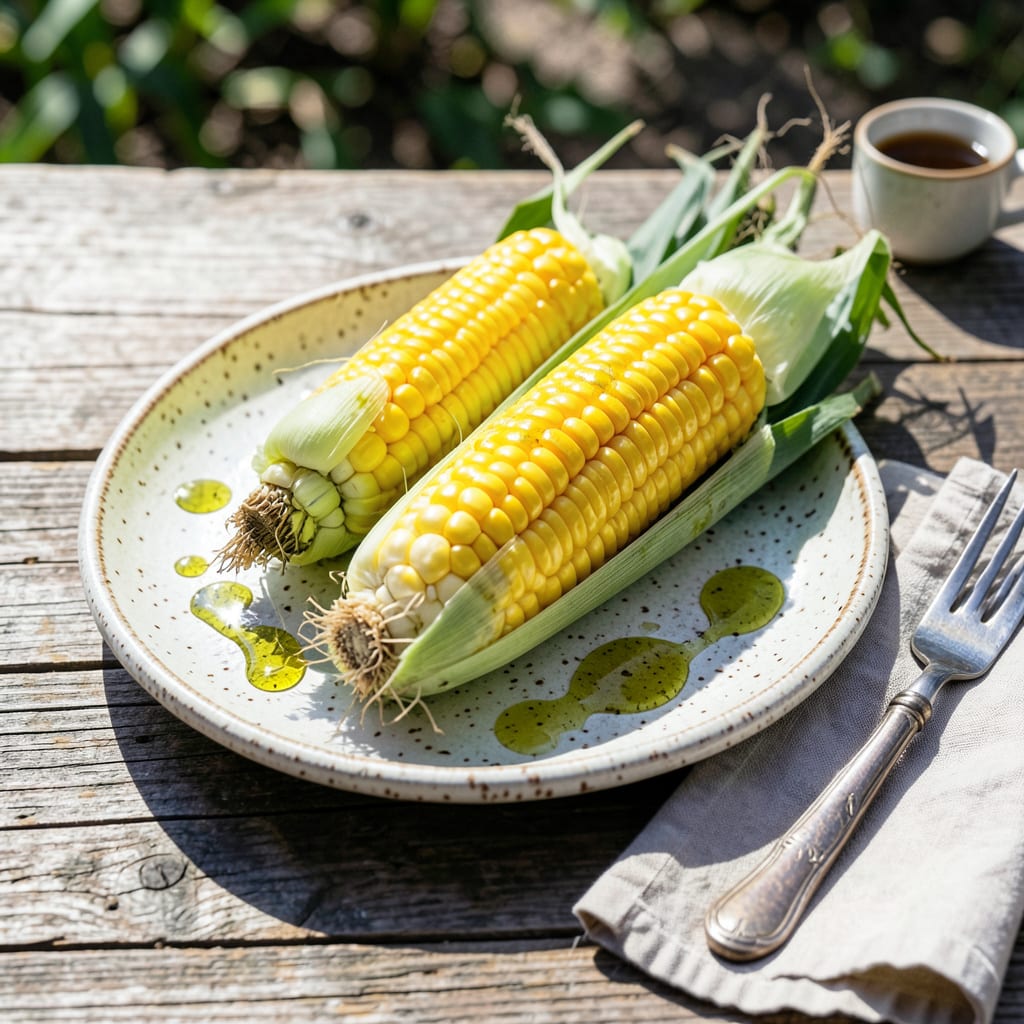
As a Texas gardener, you’re probably eager to get your corn 🌽 crop started. But timing is everything – plant too early, and you risk frost damage; too late, and you might miss the optimal growing window.
In Texas’s 8b climate, the ideal time to plant corn is in late winter to early spring, when soil temperatures reach 55°F-60°F. Let’s dive into the specifics to ensure a bountiful summer harvest.
Ideal Time
Also Good
Texas’s diverse climate means corn planting times vary significantly across different regions. Understanding these regional differences is crucial for maximizing your corn yield 🌽.
The state’s vast geography creates different growing conditions, from the Panhandle to the Gulf Coast. Each region has its own optimal planting schedule based on factors like frost dates and soil temperature.
These regional planting times are guided by the average last frost dates and soil temperature. For instance, in Northern Texas, the last frost date is typically around late March, making it ideal to plant corn in late March to early April 🌼.
Understanding these regional variations helps you plan your planting schedule more effectively. By aligning your planting with the optimal window for your specific area, you can significantly improve your chances of a successful harvest 🌾.
Soil temperature is another critical factor that influences corn planting. Corn germinates best when soil temperatures are between 55°F and 60°F. You can use a soil thermometer to check the temperature at a depth of 2-3 inches.
In addition to soil temperature, moisture levels play a vital role in corn cultivation. Adequate moisture is necessary for germination and early growth. Ensure your soil has sufficient moisture before planting, and consider using irrigation if necessary 💧.
By considering both regional planting times and environmental factors, you can optimize your corn planting strategy for the best possible yield. This approach not only improves your chances of success but also helps you make the most of Texas’s growing season 🌻.
For more specific guidance tailored to your exact location, consult local gardening resources or your county’s Cooperative Extension office. They can provide valuable insights into the best practices for your area, ensuring you’re well-prepared for a successful corn harvest 📚.
Remember, successful corn cultivation in Texas requires careful planning and attention to detail. By following these guidelines and staying informed about local conditions, you can enjoy a bountiful harvest of delicious corn 🌽.
Understanding the factors that influence corn planting timing is crucial for a successful harvest in Texas. Several key elements can impact when you should plant your corn 🌽.
Soil temperature is a critical factor in determining the optimal planting time. Corn germinates best when soil temperatures are between 55°F and 60°F. You can use a soil thermometer to check the temperature at a depth of 2-3 inches 🌡️.
Soil temperature is more important than air temperature for corn germination. Use a soil thermometer to ensure optimal conditions for planting 🌿.
Frost dates are another essential consideration. Planting too early can expose your corn to frost damage, while planting too late may result in a reduced growing season ❄️.
Moisture levels also play a significant role in corn cultivation. Adequate moisture is necessary for germination and early growth. Ensure your soil has sufficient moisture before planting, and consider using irrigation if necessary 💧.
Weather patterns can also impact corn planting. Texas’s climate is known for its variability, so it’s essential to stay informed about local weather conditions ⛅️.
By considering these factors, you can optimize your corn planting strategy for the best possible yield. This approach not only improves your chances of success but also helps you make the most of Texas’s growing season 🌻.
For more specific guidance tailored to your exact location, consult local gardening resources or your county’s Cooperative Extension office. They can provide valuable insights into the best practices for your area, ensuring you’re well-prepared for a successful corn harvest 📚.
Successful corn cultivation in Texas requires careful planning and attention to detail. By following these guidelines and staying informed about local conditions, you can enjoy a bountiful harvest of delicious corn 🌽.
To achieve the best corn yield in Texas’s climate, it’s essential to follow specific guidelines that cater to the region’s unique growing conditions 🌽.
Planting depth and spacing are critical factors. Plant corn seeds 1 inch deep and 6-8 inches apart in rows that are 3 feet apart. This spacing helps ensure proper air circulation and sunlight penetration 🌼.
Select a corn variety that is well-suited to Texas’s climate and has resistance to common pests and diseases. Consider factors like maturity days and drought tolerance 🌾.
Corn requires consistent moisture, especially during ear formation. Implement an irrigation schedule that provides about 1-2 inches of water per week, either from rainfall or irrigation 💧.
Regularly inspect your corn crop for signs of pests or diseases. Use organic or integrated pest management (IPM) strategies to address any issues promptly, ensuring a healthy crop 🌿.
By following these tips and staying informed about local growing conditions, you can significantly improve your corn yield in Texas.
Successful corn cultivation in Texas requires careful planning and attention to detail. With the right strategies and knowledge, you can enjoy a bountiful harvest of delicious corn 🌽.
Corn germinates best when soil temperatures are between 55°F and 60°F. You can use a soil thermometer to check the temperature at a depth of 2-3 inches. This ensures optimal conditions for planting.
Planting times vary across Texas regions. In Northern Texas, plant in late March to early April. In Central Texas, plant in early to mid-March. For Southern and Coastal Texas, plant in late February to early March. Check local frost dates for your specific area.
Besides soil temperature, consider frost dates, moisture levels, and weather patterns. Planting too early can cause frost damage, while too late may reduce the growing season. Ensure adequate moisture for germination and early growth.
Corn requires consistent moisture, especially during ear formation. Water your crop every 7-10 days, providing about 1-2 inches of water per week, either from rainfall or irrigation. Adjust based on weather conditions.
