
Beautiful Plants For Your Interior
Beautiful Plants For Your Interior
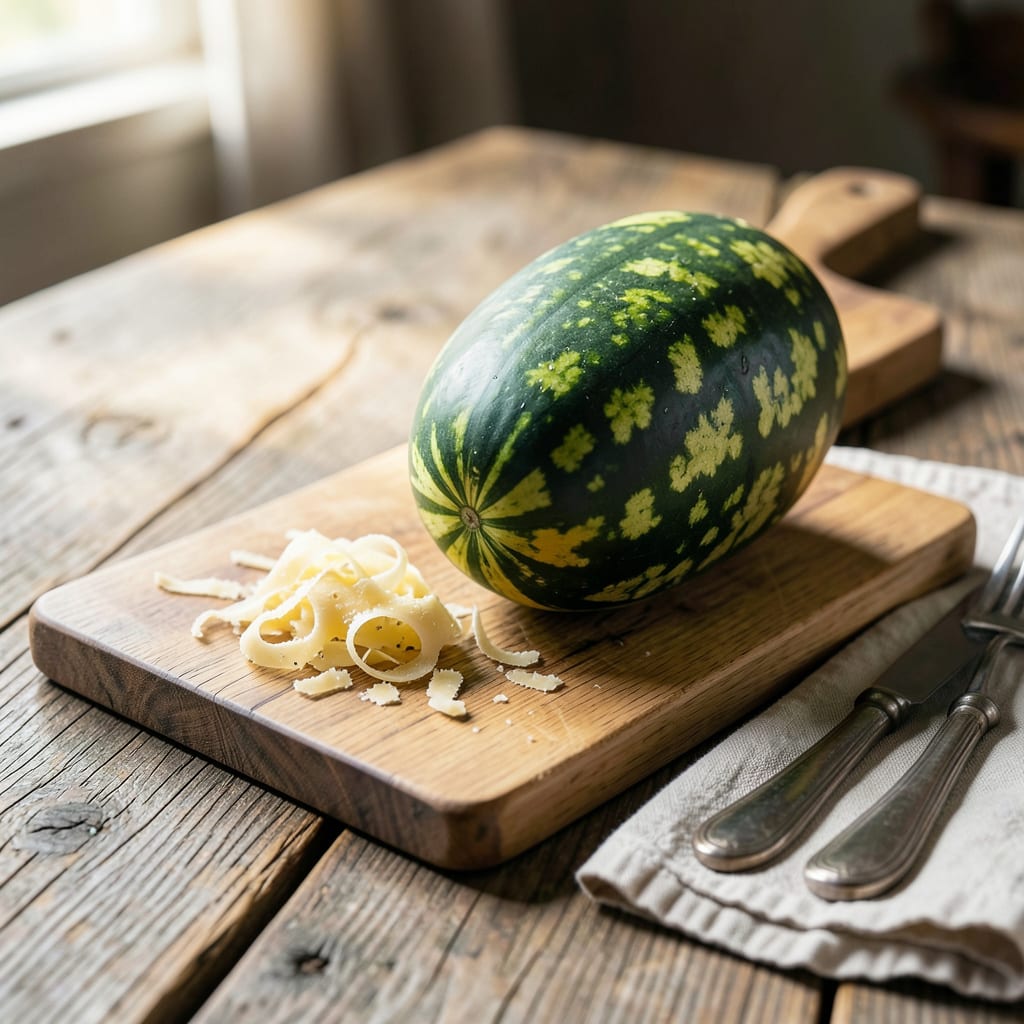
Growing 🍉 watermelon in Texas can be a rewarding experience when you time it just right. The key is to plant when the soil has warmed up and the risk of frost has passed, typically in late spring.
In Texas’s USDA Zone 8a, late May is usually the sweet spot for planting watermelon. This allows the plants to mature during the warm summer months, resulting in a bountiful harvest.
When it comes to planting watermelon in Texas, timing is everything. The state’s diverse climate means that the ideal planting time varies across different regions. Understanding these regional differences is crucial for a successful harvest.
Texas spans multiple USDA Hardiness Zones, with the northern parts falling into Zone 6 and the southern areas reaching Zone 10. For watermelon cultivation, most of Texas falls within Zone 8a, where the last frost date is typically around March 15. This information is critical for determining the best planting time.
The ideal time to plant watermelon in Texas is when the soil has warmed up to at least 70°F, typically occurring in late spring. For most regions, this translates to planting between late April and early May. This timing allows the watermelon plants to mature during the warm summer months, maximizing their yield and quality.
Regional Variations: While the general guideline is to plant in late spring, specific conditions in each region can affect the exact timing. For instance, areas with a longer growing season like South Texas can start planting as early as mid-April. Conversely, regions with a cooler spring like North Texas might wait until late April or early May.
Understanding these regional nuances is key to successful watermelon cultivation in Texas. By planting at the right time for your specific area, you can ensure that your watermelon plants have the best chance to thrive in the state’s warm climate.
For more detailed information on watermelon cultivation and other gardening tips, be sure to check out additional resources on gardening in Texas.
Watermelon cultivation in Texas requires careful planning and attention to regional climate variations. By understanding the ideal planting times for different regions and preparing accordingly, Texas gardeners can enjoy a bountiful harvest of delicious homegrown watermelons 🌟.
Each region in Texas has its unique characteristics that affect watermelon cultivation. For example, the soil temperature is a critical factor in determining when to plant. Watermelons thrive in soil that has warmed up to at least 70°F, which usually happens in late spring across most of Texas.
By aligning planting times with regional climate conditions, Texas gardeners can optimize their watermelon yields. This approach not only improves the chances of a successful harvest but also enhances the overall quality of the watermelons grown in the state.
Successful watermelon cultivation in Texas is not just about timing; it’s also about understanding the local climate and soil conditions. Gardeners should consider factors like average frost dates and soil quality when planning their watermelon planting schedule.
In conclusion, planting watermelon in Texas is a nuanced process that requires careful consideration of regional climate variations and soil conditions. By planting at the right time and preparing the soil properly, gardeners across Texas can enjoy a successful and rewarding watermelon harvest 🌿.
Preparing the soil and selecting the appropriate watermelon variety are crucial steps in successfully growing watermelons in Texas. The state’s diverse climate and soil conditions require careful consideration to ensure a bountiful harvest.
To start, it’s essential to prepare the soil properly. Watermelons thrive in well-draining, rich soil with a pH between 6.0 and 6.8. I recommend testing your soil to determine its nutrient content and pH level. Based on the results, you can amend the soil with organic matter like compost or well-rotted manure to improve its fertility and drainage 🌿.
Choosing the right watermelon variety is equally important. Some popular varieties for Texas gardeners include ‘Sugar Baby’ and ‘Crimson Sweet’. When selecting a variety, consider factors such as maturity days, disease resistance, and fruit size to ensure they align with your specific growing conditions and preferences.
Key Considerations for Variety Selection: Look for varieties that are resistant to common Texas pests and diseases, such as fusarium wilt and powdery mildew. Additionally, consider the maturity days to ensure the variety has enough time to mature before the first frost.
By carefully preparing your soil and selecting the right watermelon variety, you can significantly improve your chances of a successful harvest in Texas. These steps, combined with proper planting timing, will help you grow delicious and healthy watermelons 🌟.
For more specific advice on watermelon cultivation in your area, consider consulting with local gardening experts or checking resources from the Texas A&M AgriLife Extension. They can provide valuable insights tailored to your region’s unique conditions.
With the right preparation and variety selection, you’ll be well on your way to enjoying a bountiful watermelon harvest in Texas. Happy gardening! 🌿
Growing watermelon in Texas can be a rewarding experience when done correctly. To achieve a bountiful harvest, it’s essential to follow some key tips for successful cultivation 🌟.
First and foremost, consistent watering is crucial for watermelon plants. They require deep soaking every 3-5 days, especially during hot summer months. I recommend watering your plants in the early morning to minimize evaporation and reduce the risk of fungal diseases 💧.
Monitor soil moisture by inserting your finger 2 inches deep. If it feels dry, it’s time to water thoroughly until you see drainage coming out of the bottom of the container or soil 🌿.
Another critical aspect is pest management. Keep an eye out for common pests like aphids, cucumber beetles, and squash bugs. Regularly inspect your plants and use organic pest control methods whenever possible to minimize harm to beneficial insects 🐜.
Nutrient management is also vital for healthy watermelon plants. Feed your plants with a balanced fertilizer every 3-4 weeks during the growing season. This will provide them with the necessary nutrients to produce a bountiful harvest 🌼.
Finally, be aware of common mistakes to avoid when growing watermelons in Texas. These include overwatering, which can lead to root rot, and inadequate spacing, which can result in reduced fruit production. By following these tips, you’ll be well on your way to enjoying a successful watermelon harvest in Texas 🌟.
In summary, successful watermelon cultivation in Texas requires attention to detail and a commitment to providing your plants with the right conditions. By following these tips, you can enjoy a bountiful harvest of delicious homegrown watermelons 🍉.
The ideal soil temperature for planting watermelon is at least 70°F, typically reached in late spring across most of Texas. This warm soil promotes healthy germination and root development.
Watermelon plants require deep soaking every 3-5 days, especially during hot summer months. Watering in the early morning helps minimize evaporation and reduces the risk of fungal diseases.
Common pests include aphids, cucumber beetles, and squash bugs. Regularly inspect your plants and use organic pest control methods whenever possible to minimize harm to beneficial insects.
To prevent overwatering, monitor soil moisture by inserting your finger 2 inches deep. If it feels dry, it’s time to water thoroughly until you see drainage coming out of the bottom of the container or soil. This helps maintain optimal moisture levels.
