
Beautiful Plants For Your Interior
Beautiful Plants For Your Interior
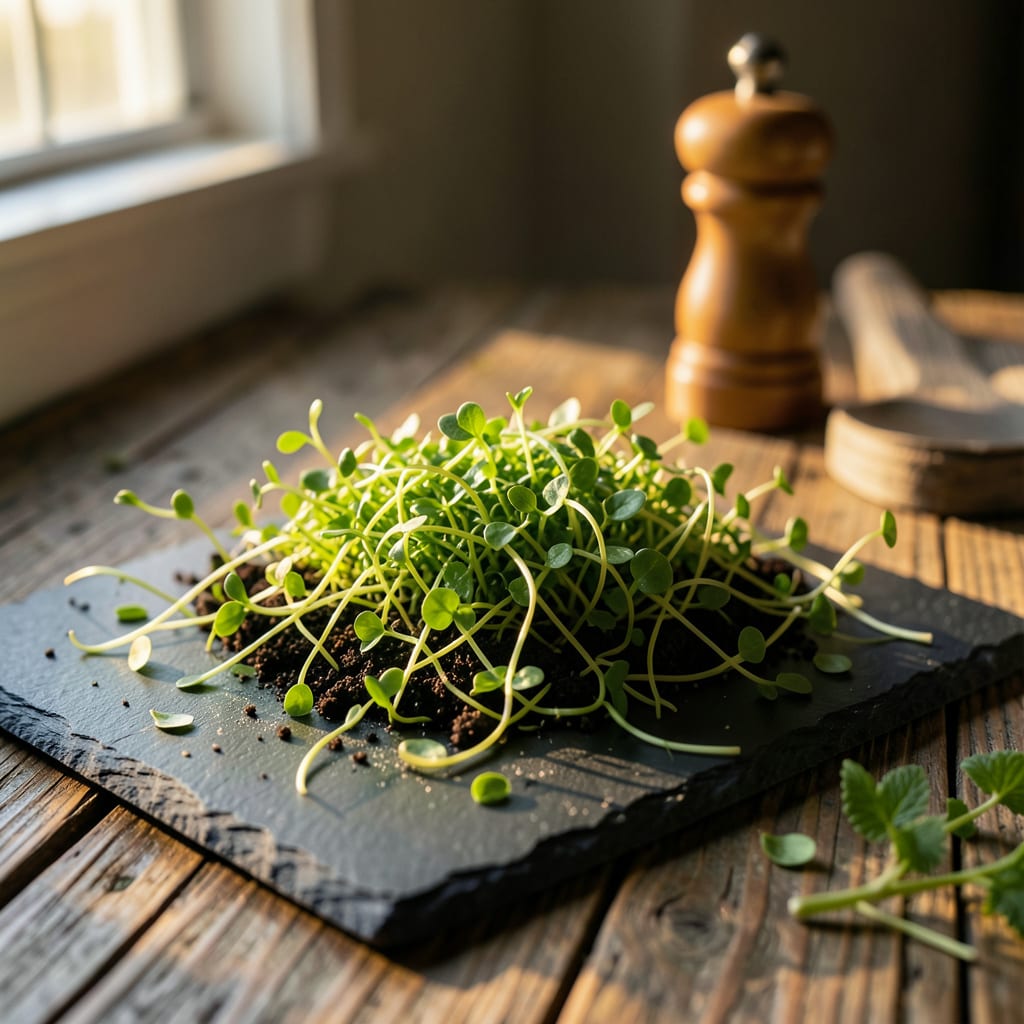
Growing a lush Lawn Grass 🌿 in North Texas can be challenging, but knowing when to fertilize is key to success. The region’s unique climate and soil conditions require careful timing to keep your lawn healthy.
In North Texas, specifically zones 8a/8b, the ideal fertilization periods are during the growing seasons – spring and fall. I’ll guide you through the best practices for fertilizing your Lawn Grass to achieve optimal results.

In North Texas, maintaining a healthy lawn requires understanding the region’s climate and soil conditions. The best times to fertilize your lawn are during the growing seasons – spring and fall. 🌱
The ideal months for fertilization are March, April, September, and October. During these periods, your lawn will benefit from the nutrients as it grows actively. The warm-season grasses common in North Texas thrive during these times.
Fertilizing during these seasons helps maintain a lush, green lawn and promotes healthy root development. The warm-season grasses in North Texas, such as Bermudagrass and Zoysiagrass, benefit significantly from this schedule. Regular fertilization during the growing season ensures your lawn remains vibrant and resilient 🌿.
It’s essential to choose the right type of fertilizer for your lawn. For warm-season grasses, a 10-10-10 or 15-0-15 NPK fertilizer is recommended. The application rate should be 1-2 lbs per 1000 sqft per application. Always follow the manufacturer’s instructions for the best results.
The timing of fertilization is also crucial. Fertilize your lawn in the early morning or late afternoon to minimize evaporation and ensure the fertilizer is absorbed effectively. Avoid fertilizing during the hottest part of the day to prevent burning the grass.
In addition to fertilization, proper watering and mowing practices are vital for maintaining a healthy lawn. Water your lawn deeply but infrequently to encourage deep root growth. Maintain your mower at the recommended height for your grass type to promote healthy growth.
By following this fertilization schedule and maintaining good lawn care practices, you can achieve a beautiful, healthy lawn in North Texas. Regular care and attention to your lawn’s needs will pay off with a vibrant, lush landscape that enhances your home’s beauty 🌿.
For more detailed information on lawn care in North Texas, consider consulting local gardening experts or extension services. They can provide specific advice tailored to your lawn’s unique conditions and needs.
Remember, a well-maintained lawn not only adds to your property’s aesthetic appeal but also contributes to a healthier environment. By fertilizing at the right times and following best practices, you’re investing in your lawn’s long-term health and beauty 🌿.
Maintaining a healthy lawn in North Texas requires more than just knowing when to fertilize. It’s essential to understand the right type of fertilizer to use and how to apply it correctly. For warm-season grasses common in North Texas, such as Bermudagrass and Zoysiagrass, a balanced fertilizer like 10-10-10 or 15-0-15 NPK is recommended 🌿.
The application rate is crucial for effective fertilization. Typically, you should apply 1-2 lbs per 1000 sqft per application. However, it’s vital to follow the manufacturer’s instructions for the specific fertilizer you’re using to avoid over-fertilization, which can harm your lawn and the environment.
For optimal results, fertilize your lawn in the early morning or late afternoon. This timing helps minimize evaporation and ensures the fertilizer is absorbed effectively. Avoid fertilizing during the hottest part of the day to prevent burning the grass.
In addition to fertilization, proper watering and mowing practices are vital for maintaining a healthy lawn. Water your lawn deeply but infrequently to encourage deep root growth. Maintain your mower at the recommended height for your grass type to promote healthy growth and prevent weed invasion 🌿.
By following these fertilization tips and maintaining good lawn care practices, you can achieve a beautiful, healthy lawn in North Texas. Regular care and attention to your lawn’s needs will pay off with a vibrant, lush landscape that enhances your home’s beauty.
For more detailed information on lawn care in North Texas, consider consulting local gardening experts or extension services. They can provide specific advice tailored to your lawn’s unique conditions and needs, helping you make informed decisions about your lawn care routine.
Remember, a well-maintained lawn not only adds to your property’s aesthetic appeal but also contributes to a healthier environment. By fertilizing at the right times and following best practices, you’re investing in your lawn’s long-term health and beauty 🌿.
When fertilizing your lawn in North Texas, it’s essential to avoid common mistakes that can harm your grass and the environment. One of the most critical errors is over-fertilizing, which can lead to excessive growth, increased risk of disease, and environmental pollution 🌿.
Be cautious of over-fertilization and improper timing, as these can cause more harm than good to your lawn.
Another mistake is fertilizing at the wrong time. Fertilizing during the hottest part of the day or in the wrong season can be ineffective or even harmful. For warm-season grasses in North Texas, avoid fertilizing during the winter months when the grass is dormant 🌱.
Using the wrong type of fertilizer is also a common mistake. For North Texas lawns, a balanced fertilizer (10-10-10 NPK) or a slow-release fertilizer is recommended. Always read the label and follow the instructions to ensure you’re using the right product for your lawn’s needs.
To maintain a healthy, lush lawn, it’s also important to consider other lawn care practices such as mowing and watering. Maintain your mower at the recommended height for your grass type, and water your lawn deeply but infrequently to encourage deep root growth 🌿.
By avoiding these common fertilization mistakes and following best practices, you can achieve a vibrant, healthy lawn that enhances your home’s beauty and contributes to a healthier environment.
The best times to fertilize your lawn in North Texas are during the growing seasons – spring and fall. Fertilize in March, April, September, and October for optimal results. This schedule helps maintain a lush, green lawn and promotes healthy root development .
Fertilize your lawn every 6-8 weeks during the growing season. For North Texas, this means fertilizing in March, May, September, and potentially August with a light feeding. Always follow the manufacturer’s instructions for the specific fertilizer you’re using .
For warm-season grasses common in North Texas, such as Bermudagrass and Zoysiagrass, use a balanced fertilizer like 10-10-10 or 15-0-15 NPK. The application rate should be 1-2 lbs per 1000 sqft per application. Choose a slow-release fertilizer for consistent nutrient delivery .
Yes, but with caution. During the hot summer months, maintain your lawn with light feeding. Avoid over-fertilizing, as this can lead to excessive growth and increased risk of disease. Consider using a slow-release fertilizer to provide nutrients without shocking the grass .
