
Beautiful Plants For Your Interior
Beautiful Plants For Your Interior
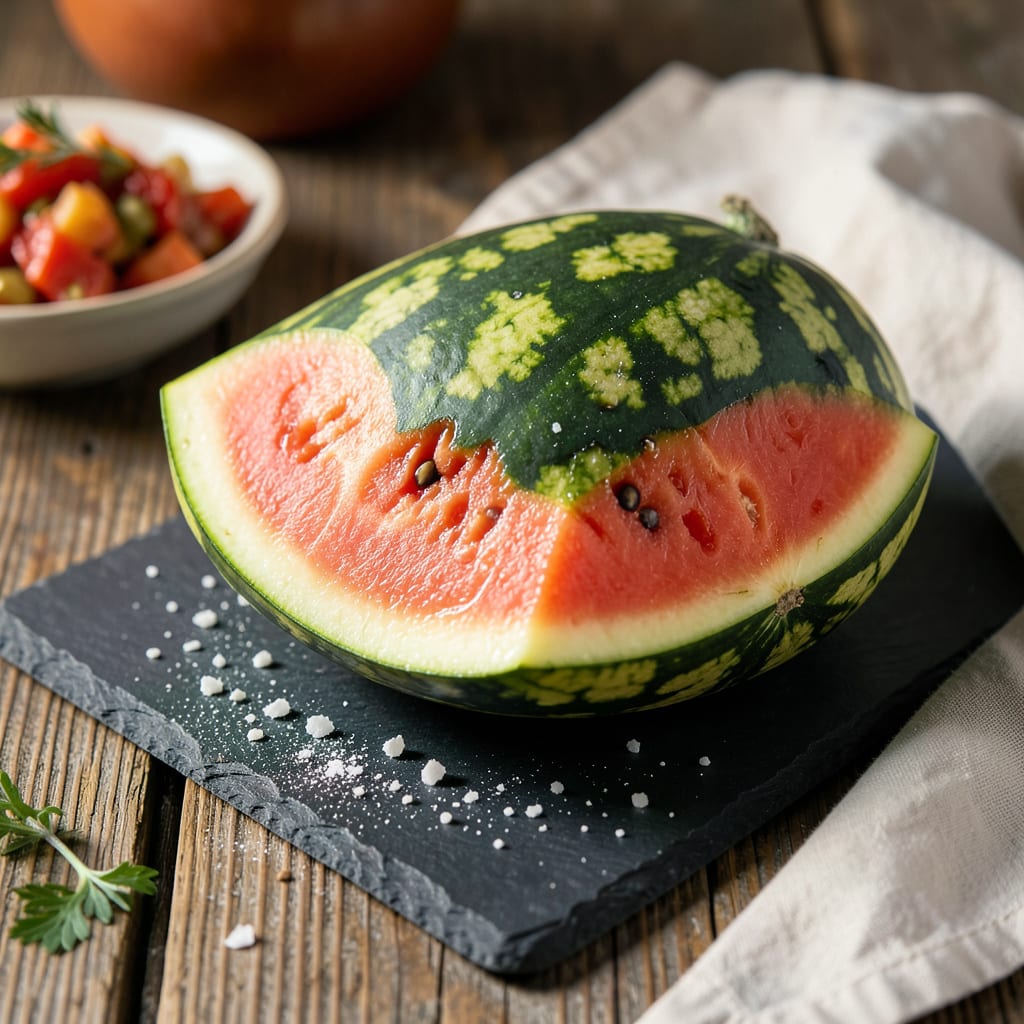
Growing 🍉 watermelon in North Carolina can be a rewarding experience when done right. The key to success lies in timing – planting at the perfect moment ensures optimal growth and a bountiful summer harvest.
In North Carolina’s 7b climate, late spring to early summer is ideal for planting watermelon. I’ll guide you through the specifics of when and how to plant for the best results, helping you make the most of your garden space.
Planting watermelon in North Carolina requires understanding the state’s diverse climate regions. The ideal planting time varies across the coastal, piedmont, and mountain regions due to differences in frost dates and soil temperature.
The last frost date is a critical factor in determining when to plant watermelon. In North Carolina, this date ranges from mid-April in coastal areas to late April in the piedmont, and early May in mountain regions. Watermelon should be planted after this date when the soil has warmed up 🌞.
Soil temperature is another crucial factor for successful watermelon cultivation. The ideal soil temperature for planting watermelon is at least 70°F, typically reached in late spring in North Carolina. Using a soil thermometer can help determine the optimal planting time. 🌱
For North Carolina’s climate, May and June are generally considered the best months to plant watermelon. These months offer warm temperatures and longer daylight hours, which are ideal for watermelon growth.
When planning your watermelon planting, consider the average frost dates for your specific area. Planting too early can expose young plants to frost damage, while planting too late may not give them enough time to mature before the first fall frost.
Regional microclimates within North Carolina can also affect the optimal planting time. Factors such as elevation, soil type, and proximity to large bodies of water can influence local climate conditions. Gardeners should be aware of these factors when planning their watermelon planting.
Soil preparation is another key aspect to consider when planting watermelon. The soil should be well-draining and rich in organic matter. Adding compost or well-rotted manure can improve soil fertility and structure, providing a better environment for watermelon plants to thrive.
Watermelon plants require full sun and ample space to spread out. In North Carolina’s climate, it’s essential to provide adequate watering, especially during dry spells. Mulching around the plants can help retain soil moisture and suppress weeds.
By understanding the regional planting times and preparing the soil properly, gardeners in North Carolina can enjoy a successful watermelon harvest. The warm summer months following planting are when watermelons typically mature, providing a delicious reward for gardeners’ efforts.
For more specific advice tailored to your location within North Carolina, consult with local gardening experts or your county’s Cooperative Extension office. They can provide guidance based on the most current climate data and local growing conditions.
Successful watermelon cultivation in North Carolina requires attention to both timing and cultivation practices. By planting at the right time and providing proper care, gardeners can enjoy a bountiful harvest of this summer favorite 🌴.
Successful watermelon cultivation in North Carolina begins with proper soil preparation and planting techniques. The right conditions set the stage for healthy plant growth and a bountiful harvest 🌿.
Watermelon plants thrive in well-draining soil rich in organic matter. To achieve this, gardeners should amend their soil with compost or well-rotted manure before planting. This improves soil fertility and structure, providing a better environment for watermelon roots to develop.
Test your soil pH and adjust if necessary. Watermelons prefer a slightly acidic to neutral soil pH between 6.0 and 7.0 for optimal nutrient uptake.
The optimal soil pH for watermelon cultivation is between 6.0 and 7.0. Testing your soil pH and adjusting it if necessary ensures that your watermelon plants can effectively absorb nutrients. Adding organic matter can help buffer the soil pH and improve overall soil health.
Watering needs are critical for watermelon plants, especially during dry spells. Watermelons require consistent moisture, particularly when they’re producing fruit. A deep soaking once or twice a week is more effective than frequent shallow watering, encouraging deep root growth 💧.
Proper spacing is essential for healthy watermelon plant development. Plants should be spaced 3-5 feet apart in rows that are 6-8 feet apart. This spacing allows for good air circulation, which helps prevent fungal diseases, and gives the vines room to spread.
The planting depth for watermelon seeds is typically 1 inch deep. Planting at the correct depth ensures good soil contact and proper moisture retention. Sowing multiple seeds per hill and then thinning to the strongest seedlings can improve germination rates and plant vigor.
Mulching around watermelon plants can help retain soil moisture, suppress weeds, and keep the fruit clean. Organic mulches like straw or grass clippings work well for this purpose. Apply a 2-3 inch layer of mulch around the plants, keeping it a few inches away from the base to prevent rot.
By following these soil preparation and planting tips, gardeners in North Carolina can create an ideal environment for their watermelon plants to thrive. Proper care from the start sets the stage for a successful and rewarding harvest 🌼.
Growing watermelon in North Carolina can be challenging if you make critical mistakes during planting. Understanding these common pitfalls helps ensure a successful harvest 🌿.
One of the most significant errors is late planting. Watermelon needs warm soil and adequate growing time before the first fall frost. Planting too late in the season can result in immature fruit or reduced yields. In North Carolina, planting should occur after the last frost date, typically in late spring to early summer.
Avoid planting watermelon too early when soil temperature is below 70°F. Cold soil can lead to poor germination and stunted growth. Use a soil thermometer to check temperature before planting.
Inadequate spacing is another common mistake. Watermelon plants require ample space to spread out and receive good air circulation. Planting too close together can lead to increased disease risk and reduced fruit production. Ensure plants are spaced 3-5 feet apart in rows that are 6-8 feet apart.
Poor soil preparation can significantly impact watermelon growth. The soil should be well-draining and rich in organic matter. Failing to amend the soil with compost or well-rotted manure can result in nutrient deficiencies and poor plant health. Test your soil and amend it as necessary before planting.
By avoiding these common mistakes, gardeners in North Carolina can improve their chances of a successful watermelon harvest. Proper timing, spacing, and soil preparation are key to growing healthy and productive watermelon plants 🌼.
For more specific advice tailored to your location within North Carolina, consult with local gardening experts or your county’s Cooperative Extension office. They can provide guidance based on the most current climate data and local growing conditions.
Successful watermelon cultivation requires attention to detail and proper planning. By understanding and avoiding these common mistakes, you can enjoy a bountiful harvest of delicious watermelons 🍉.
The ideal soil temperature for planting watermelon is at least 70°F. Using a soil thermometer can help determine the optimal planting time. Warm soil promotes healthy germination and growth .
Watermelon plants require consistent moisture, especially when producing fruit. Water deeply once or twice a week, providing about 1 inch of water per week. Adjust based on weather conditions to prevent overwatering .
Plant watermelon seeds 3-5 feet apart in rows that are 6-8 feet apart. This spacing allows for good air circulation, reducing disease risk and giving vines room to spread .
Yes, you can plant watermelon in North Carolina’s mountain regions, but timing is crucial. Wait until mid to late May when soil has warmed up and danger of frost has passed. Be prepared for potentially cooler temperatures that might affect growth .
