
Beautiful Plants For Your Interior
Beautiful Plants For Your Interior
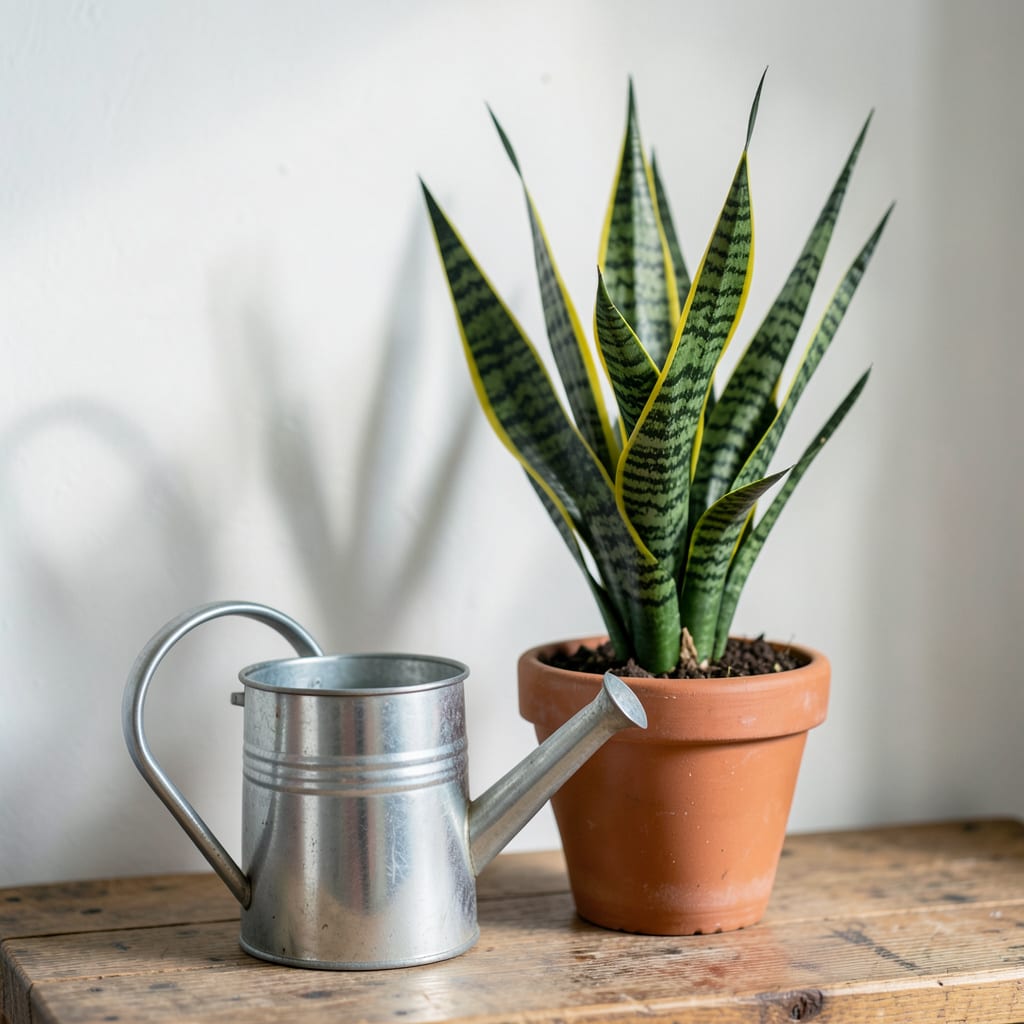
As a snake plant 🌿 owner, you’re probably wondering how much water to give your low-maintenance friend. The key is understanding that these plants prefer to dry out between waterings, making them drought tolerant and perfect for busy people.
Watering your snake plant isn’t just about frequency – it’s about getting the right amount. Let’s dive into the details to keep your plant thriving in USDA Zone 6.


Watering your snake plant correctly is crucial for its health and longevity. These plants are known for their low-maintenance requirements, but proper watering remains essential. The key is understanding that snake plants prefer to dry out between waterings, making them drought tolerant and perfect for busy people 🌿.
The amount of water your snake plant needs depends on several factors, including light conditions, temperature, soil type, and pot size. Let’s explore these factors in more detail to determine the ideal watering schedule for your plant.
To determine when your snake plant needs water, check the soil moisture by inserting your finger into the soil up to the first knuckle. If the soil feels dry, it’s time to water. If it’s already moist, wait a few more days before checking again 🔍.
Another method is to use a moisture meter, which can provide a more accurate reading of the soil’s moisture levels. This can be particularly helpful if you’re unsure about the moisture level or if your plant is in a low-light area where it may require less water 💡.
It’s also important to consider the seasonal changes in your plant’s watering needs. During the spring and summer, snake plants are more active and may require more frequent watering. In the fall and winter, they enter a dormant phase and need less water ❄️.
Overwatering is a common mistake when caring for snake plants. These plants are more likely to suffer from root rot due to excess water than from underwatering. Signs of overwatering include yellowing leaves, soft or mushy stems, and unpleasant odors from the soil ⚠️.
To avoid overwatering, make sure your pot has good drainage holes and use a well-draining soil mix. Water your snake plant thoroughly until you see water draining out of the bottom of the pot, then allow the soil to dry out completely before watering again 🌱.
In general, snake plants prefer to be underwatered rather than overwatered. If you’re unsure about whether to water your plant, it’s better to err on the side of caution and wait a few more days 🔒.
By understanding your snake plant’s watering needs and adjusting your care routine accordingly, you can help your plant thrive and enjoy its beautiful, sword-shaped leaves for years to come 🌿.
For most snake plants, watering every 2-3 weeks is a good starting point. However, this frequency may vary depending on the specific conditions in your home. Be sure to monitor your plant’s response to watering and adjust your schedule as needed 📝.
With proper care and attention, your snake plant will continue to be a low-maintenance and stylish addition to your indoor space, purifying the air and adding a touch of natural beauty 💚.
Watering your snake plant correctly is crucial for its health and longevity. These plants are known for their low-maintenance requirements, but proper watering remains essential 🌿.
The key is understanding that snake plants prefer to dry out between waterings, making them drought tolerant and perfect for busy people. To water your snake plant effectively, follow these best practices.
Overwatering is a common mistake that can lead to root rot and other problems. Check soil moisture before watering, and avoid getting water on the leaves to prevent leaf rot 🔍.
When watering your snake plant, use room temperature water to avoid shocking the roots. Water thoroughly until you see water draining out of the bottom of the pot, then allow the soil to dry out completely before watering again 💧.
To check soil moisture, insert your finger into the soil up to the first knuckle. If the soil feels dry, it’s time to water. If it’s already moist, wait a few more days before checking again 🔒.
Another effective method is to use a moisture meter, which provides a more accurate reading of the soil’s moisture levels. This is particularly helpful if you’re unsure or if your plant is in low-light conditions where it may require less water 💡.
It’s also crucial to consider seasonal changes in your plant’s watering needs. During spring and summer, snake plants are more active and may require more frequent watering. In fall and winter, they enter a dormant phase and need less water ❄️.
By following these best practices and being mindful of your snake plant’s specific needs, you can help your plant thrive and enjoy its beautiful, sword-shaped leaves for years to come 🌿.
For most snake plants, watering every 2-3 weeks is a good starting point. However, this frequency may vary depending on your home’s specific conditions. Monitor your plant’s response to watering and adjust your schedule accordingly 📝.
With proper care and attention, your snake plant will remain a low-maintenance and stylish addition to your indoor space, purifying the air and adding natural beauty 💚.
Adjusting your snake plant’s watering schedule according to seasonal changes and environmental conditions is crucial for its health and longevity 🌿.
During spring and summer, snake plants are more active and may require more frequent watering. In contrast, during fall and winter, they enter a dormant phase and need less water ❄️.
Monitor your snake plant’s response to watering and adjust your schedule based on its specific needs and environmental conditions 📝.
In addition to seasonal changes, consider the humidity levels in your home. If you live in a dry climate, your snake plant may require more frequent watering. Conversely, if you live in a humid climate, it may require less water 💧.
Indoor vs. outdoor growing conditions also impact watering needs. Outdoor snake plants may require more water due to exposure to direct sunlight and wind, while indoor plants may require less water due to lower light conditions and reduced air circulation 🏠.
To ensure your snake plant thrives, be sure to check the soil moisture regularly and adjust your watering schedule accordingly 🔍.
By understanding how to adjust your watering schedule for different seasons and environments, you can help your snake plant remain healthy and continue to purify the air and add natural beauty to your space 💚.
Water your snake plant every 2-3 weeks during spring and summer when it’s more active. During fall and winter, reduce watering to once a month as the plant enters dormancy. Adjust based on your home’s humidity and temperature .
Check soil moisture by inserting your finger into the soil up to the first knuckle. If the soil feels dry, it’s time to water. You can also use a moisture meter for a more accurate reading .
Yes, overwatering is a common mistake that can lead to root rot. Signs include yellowing leaves, soft stems, and unpleasant odors. Ensure your pot has good drainage and avoid watering too frequently .
Water thoroughly until you see water draining out of the pot’s bottom. This ensures the soil is moist but not waterlogged. For most snake plants, 250ml of water is sufficient, but adjust based on pot size .
