
Beautiful Plants For Your Interior
Beautiful Plants For Your Interior
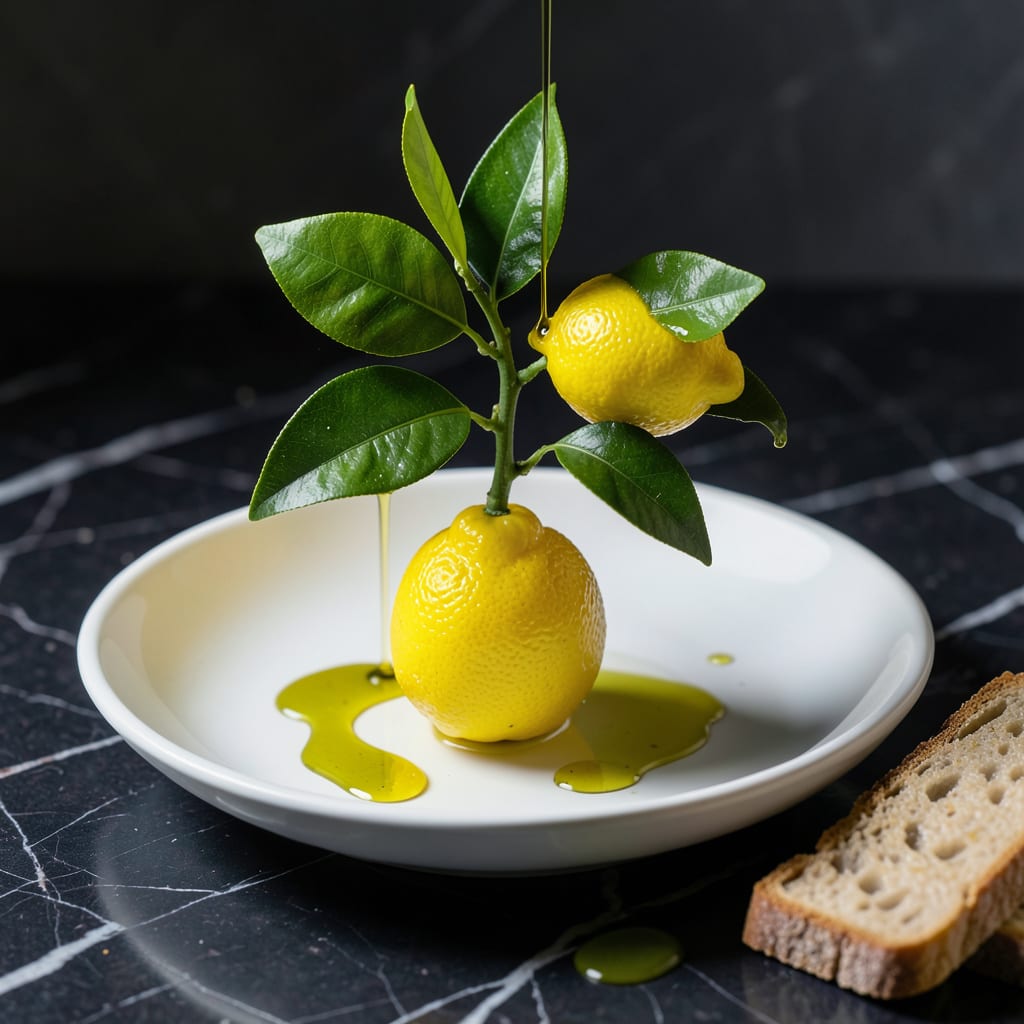
Fertilizing your Lemon Tree 🍋 at the right time is crucial for maximizing yield and maintaining its health. In USDA Zone 9b, where these trees thrive, understanding the seasonal fertilization schedule is key to promoting healthy growth and fruit production.
I’ll guide you through the best times to fertilize your Lemon Tree, helping you make informed decisions to keep it flourishing year-round.

Fertilizing your lemon tree at the right time is crucial for its health and productivity. In USDA Zone 9b, where lemon trees thrive, understanding the seasonal fertilization schedule is key to promoting healthy growth and fruit production.
The ideal months to fertilize your lemon tree are February, March, September, and October. These periods coincide with the tree’s active growth phases and fruit development 🌟.
A balanced fertilizer with an NPK ratio of 10-10-10 is recommended for lemon trees. This provides equal parts nitrogen, phosphorus, and potassium, which are essential for overall tree health.
Fertilizing during the recommended months helps promote healthy growth, fruit development, and prepares the tree for the next growing season. It’s also important to avoid fertilizing during the winter months when the tree is dormant, as this can cause unnecessary stress to the tree 🌿.
By following this seasonal fertilization schedule, you can ensure your lemon tree receives the nutrients it needs to thrive throughout the year.
Key considerations when fertilizing your lemon tree include soil quality, tree age, and climate conditions. Adjusting your fertilization schedule based on these factors can help optimize your tree’s health and productivity.
For young trees, more frequent fertilization may be necessary to support rapid growth. As the tree matures, the frequency can be adjusted accordingly.
It’s also important to monitor your tree’s response to fertilization and adjust as needed. Signs of nutrient deficiency or over-fertilization should be addressed promptly to prevent damage to the tree.
By understanding and implementing a proper fertilization schedule, you can enjoy a bountiful harvest of delicious lemons from your tree.
Regular fertilization, combined with proper watering and pruning, will help maintain your lemon tree’s health and productivity over time.
For more specific advice tailored to your climate and soil conditions, consider consulting with a local gardening expert or extension service.
Fertilizing your lemon tree correctly is crucial for achieving maximum yield and maintaining its overall health. I’ll guide you through the process, providing practical tips on choosing the right fertilizer and application methods.
First, it’s essential to understand that lemon trees require a balanced fertilizer with an NPK ratio of 10-10-10. This provides equal parts nitrogen, phosphorus, and potassium, which are vital for healthy growth and fruit production.
Fertilize your lemon tree in the early morning when the soil is moist, and the temperature is mild. This helps prevent burning the roots and ensures optimal nutrient absorption 🌟.
When applying fertilizer,
It’s also crucial to monitor your tree’s response to fertilization and adjust your schedule as needed. Keep an eye out for signs of nutrient deficiency or over-fertilization, such as yellowing leaves or burned tips.
By following these guidelines and using the right fertilizer, you can promote healthy growth, increase fruit production, and enjoy a bountiful harvest from your lemon tree.
Additional tips to keep in mind include maintaining proper soil pH, ensuring adequate watering, and pruning your tree regularly to maintain its shape and promote fruiting.
For more specific advice tailored to your climate and soil conditions, consider consulting with a local gardening expert or extension service. They can provide personalized guidance to help you optimize your lemon tree’s health and productivity.
By combining regular fertilization with proper care, you’ll be able to enjoy a thriving and productive lemon tree for years to come 🌿.
Understanding when your lemon tree needs fertilization is crucial for maintaining its health and maximizing fruit production. I’ll help you identify the signs of nutrient deficiency and adjust your fertilization schedule accordingly.
Monitor your lemon tree for signs of nutrient deficiency, such as yellowing leaves, slow growth, or reduced fruit production. Adjust your fertilization schedule based on these indicators to ensure optimal health 🌟.
Nutrient deficiencies can manifest in various ways. Keep an eye out for yellowing leaves, which may indicate a lack of nitrogen or other essential nutrients. If your tree is experiencing slow growth or reduced fruit production, it may be a sign that it requires additional fertilization.
To adjust your fertilization schedule, consider factors such as soil quality, tree age, and climate conditions. Young trees, for example, may require more frequent fertilization to support rapid growth 🌱.
By recognizing the signs of nutrient deficiency and adjusting your fertilization schedule accordingly, you can ensure your lemon tree receives the necessary nutrients to thrive.
Regular monitoring and adjustments to your fertilization schedule will help maintain your lemon tree’s health and productivity over time.
For more specific guidance tailored to your climate and soil conditions, consider consulting with a local gardening expert or extension service. They can provide personalized advice to help you optimize your lemon tree’s health and productivity.
Fertilize your lemon tree every 4-6 weeks during the growing season, which typically includes spring and summer months. This frequency supports healthy growth and fruit production. For your specific climate, check the recommended fertilization schedule.
A balanced fertilizer with an NPK ratio of 10-10-10 is recommended for lemon trees. This provides equal parts nitrogen, phosphorus, and potassium, essential for overall tree health and fruit production. Look for a fertilizer specifically formulated for citrus trees.
No, it’s best to avoid fertilizing your lemon tree during winter months when the tree is dormant. Fertilizing during this time can cause unnecessary stress to the tree. Instead, wait until the growing season begins in spring.
Monitor your lemon tree for signs of nutrient deficiency, such as yellowing leaves, slow growth, or reduced fruit production. If you notice any of these symptoms, adjust your fertilization schedule accordingly. Regular monitoring will help maintain your tree’s health.
