
Beautiful Plants For Your Interior
Beautiful Plants For Your Interior
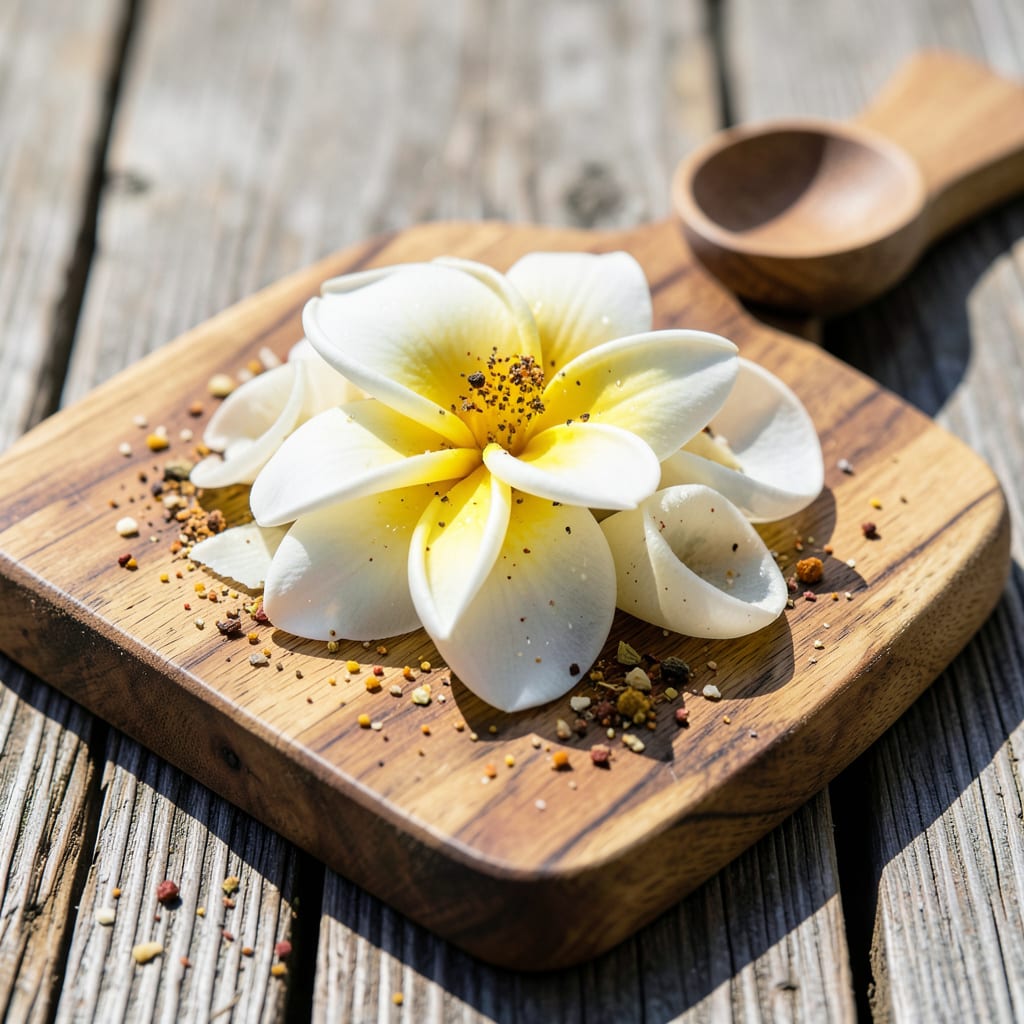
Fertilizing your Plumeria 🌺 at the right time is crucial for vibrant blooms and healthy growth. In USDA Zone 10, where these beautiful plants thrive, timing is everything.
I’ll guide you through the best times to fertilize your Plumeria, from spring to fall, to ensure you’re giving your plant the nutrients it needs to flourish. Let’s get started!

Fertilizing plumeria at the right time is crucial for its growth and blooming. In USDA Zone 10, plumeria typically starts growing in spring and continues through summer and early fall. I’ll outline the best times to fertilize your plumeria throughout the year 🌺.
The growing season for plumeria in Zone 10 generally starts in March and lasts until September. During this period, your plumeria will benefit from regular fertilization to promote healthy growth and abundant blooms 🌼.
Understanding the seasonal fertilization schedule is key to promoting healthy growth and blooming in your plumeria. By adjusting your fertilization routine according to the plant’s growth cycle, you can ensure optimal nutrient uptake and overall plant health 🌿.
During the spring and summer months, plumeria requires more frequent fertilization to support its rapid growth and blooming. A balanced fertilizer with equal parts nitrogen, phosphorus, and potassium (NPK) is ideal for this period 🌻.
As fall approaches, it’s essential to reduce fertilization to help the plant prepare for dormancy. A light feed in late summer to early fall can provide the necessary nutrients without promoting new growth that might be sensitive to cooler temperatures 🍁.
In winter, plumeria is dormant, and fertilization should be stopped entirely. This allows the plant to rest and recover from the growing season, ensuring it’s ready to burst into growth again in the spring ❄️.
By following this seasonal fertilization schedule, you can support your plumeria’s growth cycle and enjoy vibrant blooms year after year.
Proper timing of fertilization is crucial for plumeria care. Fertilizing during the right seasons ensures that your plant receives the necessary nutrients to thrive 🌟.
For more detailed information on plumeria care and fertilization, consider consulting with local gardening experts or referring to trusted gardening resources. This will help you tailor your fertilization schedule to the specific needs of your plumeria and your local climate 📚.
By understanding and implementing a seasonal fertilization schedule, you can significantly improve the health and blooming potential of your plumeria. Happy gardening! 🌺👍
Fertilizing plumeria correctly is crucial for achieving maximum bloom production. I’ll share expert tips on fertilizer types, application methods, and nutrient balance to help your plumeria thrive 🌺.
To promote healthy growth and abundant blooms, it’s essential to understand the nutrient requirements of your plumeria. A balanced fertilizer with an NPK ratio of 10-10-10 is ideal for plumeria, as it provides equal parts nitrogen, phosphorus, and potassium 🌿.
Select a balanced fertilizer with an NPK ratio of 10-10-10 or similar. This provides the necessary nutrients for healthy growth and blooming.
During the growing season (March to September), fertilize your plumeria every 4-6 weeks to maintain optimal nutrient levels.
Plumeria prefers slightly acidic to neutral soil pH (6.0-7.0). Adjust your fertilizer choice based on your soil’s pH level.
By following these steps and using the right fertilizer, you can significantly improve your plumeria’s bloom production and overall health 🌼.
It’s also important to monitor your plant’s response to fertilization and adjust as necessary. If you notice signs of nutrient deficiency or over-fertilization, take corrective action promptly to prevent damage 🌿.
For more specific guidance on fertilizing your plumeria, consider consulting with local gardening experts or referring to trusted gardening resources. This will help you tailor your fertilization schedule to your plant’s unique needs and your local climate 📚.
By understanding how to fertilize your plumeria effectively, you can enjoy a vibrant display of blooms year after year. Happy gardening!
Fertilizing plumeria can be straightforward, but there are common mistakes that can hinder your plant’s growth and blooming. I’ll outline these pitfalls and provide tips on how to avoid them 🌺.
One of the most significant errors is over-fertilization. Too much fertilizer can damage your plumeria’s roots and cause more harm than good. It’s essential to follow the recommended fertilization schedule and amounts 🔥.
Too much fertilizer can burn your plumeria’s roots and reduce blooming. Always follow the recommended dosage and avoid fertilizing during dormancy.
Another mistake is fertilizing at the wrong time. Plumeria has specific growth periods, and fertilizing outside these times can be ineffective or even harmful.
Nutrient deficiencies can also impact your plumeria’s health. A balanced fertilizer helps prevent deficiencies, but it’s also crucial to monitor your plant’s response to fertilization and adjust as needed 🌿.
By avoiding these common fertilization mistakes, you can ensure your plumeria receives the right nutrients at the right time, promoting healthy growth and abundant blooms 🌼.
For more specific advice on plumeria care, consider consulting with local gardening experts or referring to trusted gardening resources. This will help you tailor your fertilization routine to your plant’s specific needs 📚.
Fertilize your plumeria every 4-6 weeks during the growing season (March to September) to maintain optimal nutrient levels. This frequency supports healthy growth and abundant blooms. Using a balanced fertilizer (10-10-10 NPK) is recommended.
A balanced fertilizer with an NPK ratio of 10-10-10 is ideal for plumeria. This provides equal parts nitrogen, phosphorus, and potassium, promoting healthy growth and blooming. Avoid fertilizers with high nitrogen levels as they can promote leaf growth at the expense of blooms.
No, it’s best to stop fertilizing your plumeria during the winter months (October to February) when the plant is dormant. Fertilizing during dormancy can cause new growth that may be sensitive to cooler temperatures. Wait until spring when the plant starts growing again.
Signs of over-fertilization include yellowing leaves, burned roots, and reduced blooming. If you notice these symptoms, stop fertilizing immediately and flush the soil with water to remove excess nutrients. Always follow the recommended dosage on the fertilizer package.
