
Beautiful Plants For Your Interior
Beautiful Plants For Your Interior
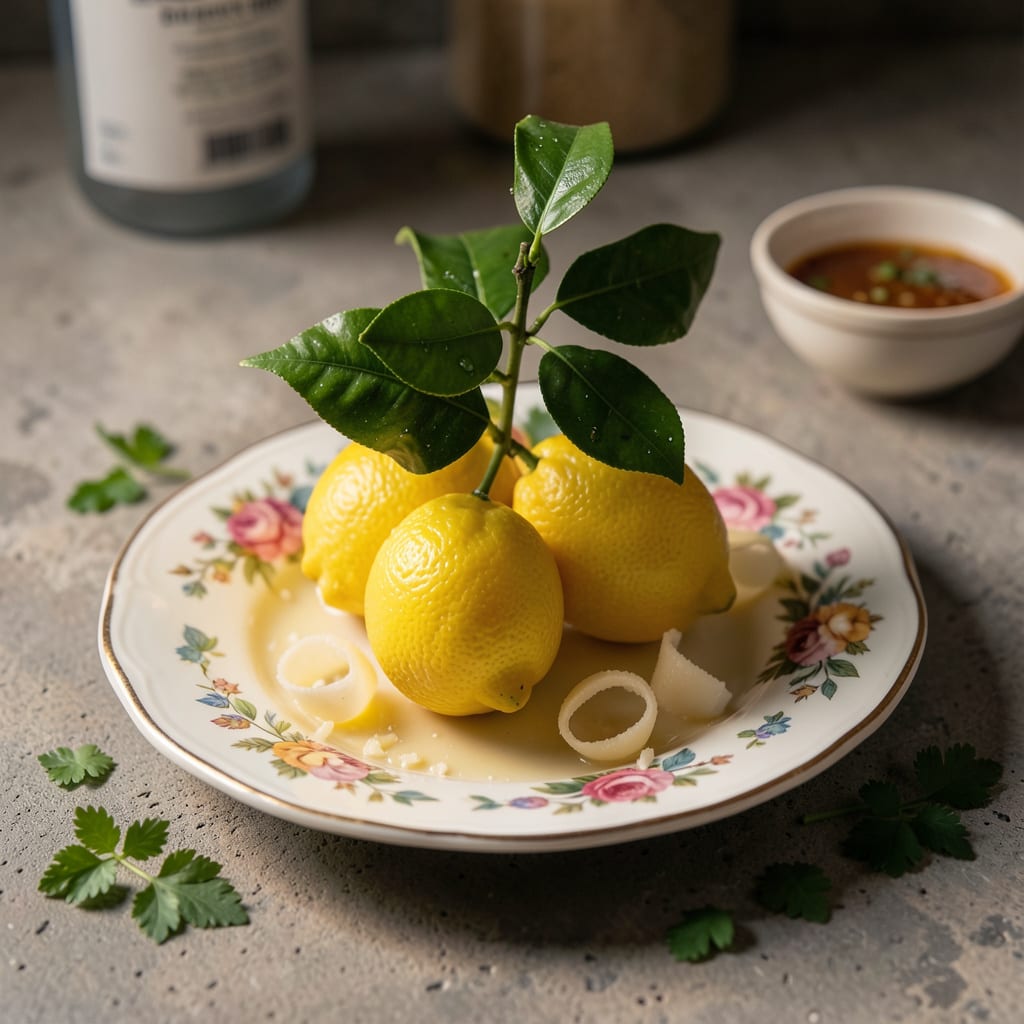
As spring arrives, my Lemon Tree 🍋 starts to stir from its winter dormancy in USDA Zone 9b. This is the perfect time to give it the nutrients it needs to thrive.
Fertilizing at the right time is crucial for a healthy tree and maximum yield. Let’s explore the best times to fertilize your Lemon Tree and how to do it effectively.

Fertilizing lemon trees at the right time is crucial for their health and productivity. In USDA Zone 9b, where lemon trees thrive, understanding the seasonal fertilization schedule can make a significant difference in their growth and fruit production. The key is to provide nutrients when the tree needs them most 🌿.
The fertilization schedule for lemon trees varies throughout the year. Generally, it’s recommended to fertilize during the growing season, which typically starts in early spring and continues through summer. The exact timing can depend on factors like the tree’s age, soil quality, and climate conditions 📅.
For lemon trees in USDA Zone 9b, the growing season typically starts in March and continues through October. During this period, the tree requires regular fertilization to support its growth and fruit production. A balanced fertilizer with an NPK ratio of 10-10-10 is generally recommended 🔍.
The frequency of fertilization is another critical aspect. For most lemon trees, fertilizing every 6-8 weeks during the growing season is sufficient. This schedule allows the tree to receive a steady supply of nutrients without over-fertilizing, which can be harmful 🚨.
It’s also important to consider the tree’s age when determining the fertilization schedule. Young lemon trees may require more frequent fertilization than mature trees, as they are still developing their root system and growing rapidly 🌱.
In addition to the timing and frequency, the type of fertilizer used can impact the tree’s health. A balanced fertilizer that contains equal parts nitrogen, phosphorus, and potassium (NPK) is typically recommended for lemon trees. This balanced formula supports overall tree health, promotes fruiting, and helps maintain soil quality 🥗.
Soil conditions also play a significant role in fertilization. If the soil is poor in certain nutrients, a specific fertilizer that addresses those deficiencies may be necessary. Regular soil testing can help determine the best fertilizer for your lemon tree 🌿.
For container-grown lemon trees, fertilization is equally important. These trees may require more frequent fertilization due to the limited soil volume and potential for nutrient leaching. Using a slow-release fertilizer can help provide a steady supply of nutrients over time 📦.
When applying fertilizer, it’s essential to follow the manufacturer’s instructions to avoid over-fertilization. Over-fertilizing can lead to nutrient burn, damaging the tree’s roots and reducing its overall health ⚠️.
Finally, the best time to fertilize lemon trees is typically in the early morning, when the tree is most receptive to the nutrients. Avoid fertilizing during the hottest part of the day or when the tree is under stress from drought or disease ☀️.
By following a well-planned fertilization schedule and using the right type of fertilizer, you can help your lemon tree thrive and enjoy a bountiful harvest for years to come 🌟.
In summary, fertilizing lemon trees in USDA Zone 9b involves a seasonal approach, with a focus on the growing season from March to October. By understanding the tree’s needs and adjusting the fertilization schedule accordingly, you can promote healthy growth and maximize fruit production 📈.
Fertilizing lemon trees effectively requires understanding their growth stages and nutritional needs. Different stages of growth demand different fertilization approaches to ensure optimal health and fruit production 🍋.
Young lemon trees (1-3 years old) need more frequent fertilization to support their rapid growth. They require a balanced fertilizer with a higher nitrogen content to promote leaf development and root establishment 🌱.
Use a balanced fertilizer (10-10-10 NPK) during the growing season (spring-fall) to support their development.
Mature trees (4+ years old) can be fertilized less frequently, every 8-12 weeks, as their growth rate slows down.
Soil quality affects fertilization needs. Test your soil regularly to determine its nutrient content and pH level.
The type of fertilizer used is also crucial. A balanced fertilizer (10-10-10 NPK) is generally recommended for lemon trees. However, if your soil test reveals specific nutrient deficiencies, you may need to adjust your fertilizer choice accordingly 🔬.
For container-grown lemon trees, fertilization is equally important. These trees may require more frequent fertilization due to the limited soil volume and potential for nutrient leaching. Using a slow-release fertilizer can help provide a steady supply of nutrients over time 📦.
When applying fertilizer, it’s essential to follow the manufacturer’s instructions to avoid over-fertilization. Over-fertilizing can lead to nutrient burn, damaging the tree’s roots and reducing its overall health ⚠️.
The best time to fertilize lemon trees is typically in the early morning, when the tree is most receptive to the nutrients. Avoid fertilizing during the hottest part of the day or when the tree is under stress from drought or disease ☀️.
By tailoring your fertilization strategy to the specific growth stage of your lemon tree, you can optimize its health and productivity. Regular monitoring and adjustments will help ensure your tree thrives and produces abundant fruit 🌟.
Fertilizing lemon trees can be straightforward if you know what to avoid. Many gardeners make common mistakes that can harm their trees rather than help them 🌿.
One of the most significant errors is over-fertilization. Too much fertilizer can cause nutrient burn, damaging the tree’s roots and reducing its overall health ⚠️.
Always follow the manufacturer’s instructions and start with a smaller amount to avoid over-fertilizing your lemon tree.
Another mistake is fertilizing at the wrong time. Lemon trees don’t need fertilizer during their dormant period in winter. Fertilizing during this time can cause unnecessary stress to the tree ❄️.
The type of fertilizer used is also crucial. Using a fertilizer that’s not balanced can lead to nutrient deficiencies. A 10-10-10 NPK balanced fertilizer is generally recommended for lemon trees 🌟.
Soil conditions play a significant role in fertilization. If the soil is poor in certain nutrients, a specific fertilizer that addresses those deficiencies may be necessary. Regular soil testing can help determine the best fertilizer for your lemon tree 🌿.
By avoiding these common mistakes, you can ensure your lemon tree receives the right nutrients at the right time, promoting healthy growth and maximizing fruit production 📈.
Fertilize your lemon tree every 6-8 weeks during the growing season, which typically runs from March to October in USDA Zone 9b. This schedule supports healthy growth and fruit production.
A balanced fertilizer with an NPK ratio of 10-10-10 is generally recommended for lemon trees. This formula provides equal parts nitrogen, phosphorus, and potassium, supporting overall tree health and fruiting.
No, it’s best to skip fertilizing your lemon tree during the winter months (December to February) when the tree is dormant. Fertilizing during this time can cause unnecessary stress to the tree.
Young lemon trees (1-3 years old) require more frequent fertilization than mature trees. They need a balanced fertilizer with a higher nitrogen content to support their rapid growth and development.
