
Beautiful Plants For Your Interior
Beautiful Plants For Your Interior
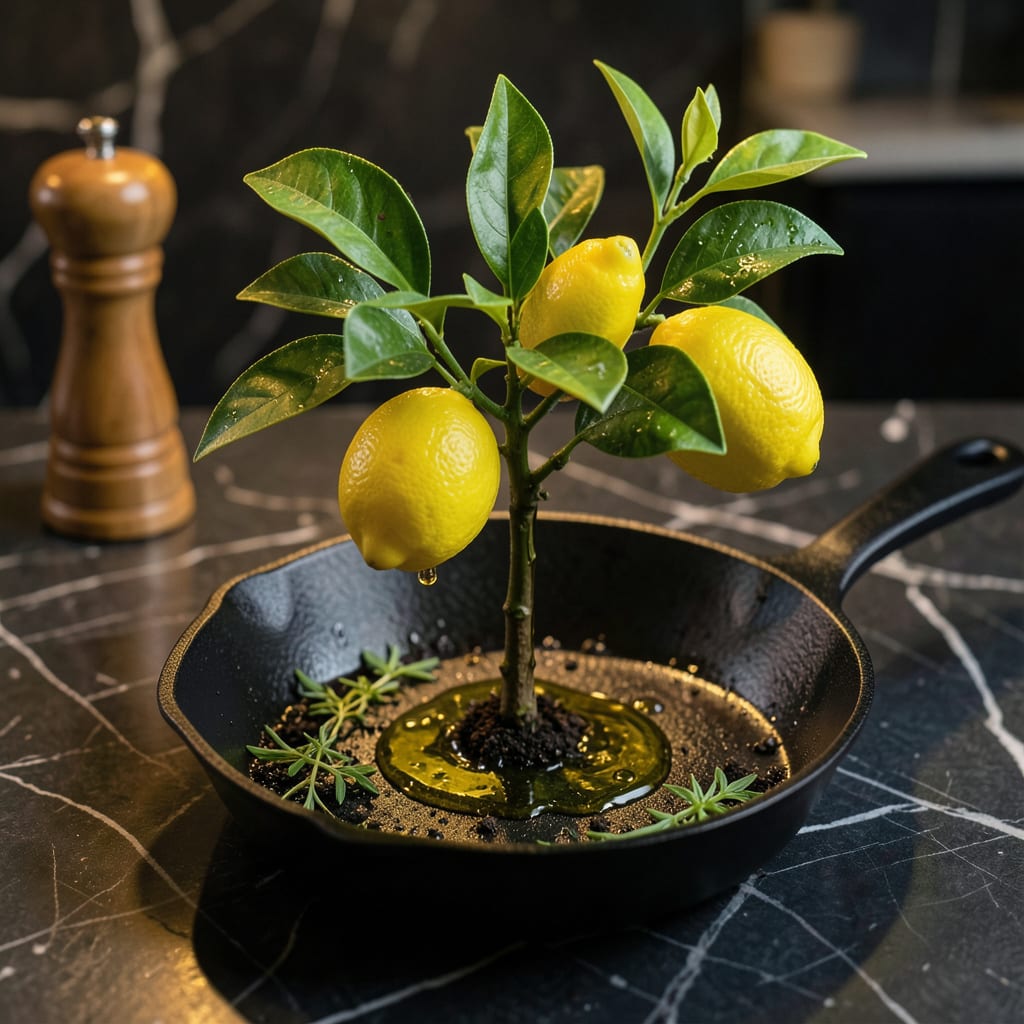
Fertilizing your Lemon Tree 🍋 at the right time is crucial for its growth and fruit production. Proper fertilization ensures healthy development and maximizes yield, especially in USDA Zone 9b.
I’ll guide you through the best times to fertilize and share expert tips for better growth. By understanding your tree’s needs, you’ll be able to provide the right nutrients at the right time.

Fertilizing your lemon tree at the right time is crucial for its growth and fruit production. The optimal fertilization schedule depends on factors such as tree age, climate, and growing conditions. Understanding these factors will help you provide the best care for your tree.
I recommend fertilizing your lemon tree during its active growing periods. For most regions, this means feeding your tree during the spring and summer months when it’s producing new growth and fruit. In USDA Zone 9b, you can start fertilizing in March and continue through September.
The fertilization frequency for lemon trees is typically every 6-8 weeks during the growing season. This schedule allows your tree to receive the necessary nutrients for healthy growth and fruit production. It’s essential to use a balanced fertilizer with an NPK ratio of 10-10-10 to provide your tree with the right mix of nutrients.
When applying fertilizer,
It’s also important to consider your tree’s age when determining the fertilization schedule. Young trees (less than 2 years old) may require more frequent fertilization, while mature trees can follow the standard schedule. Always monitor your tree’s response to fertilization and adjust your schedule as needed.
Soil conditions also play a critical role in fertilization. If your soil is poorly draining or nutrient-deficient, you may need to adjust your fertilization strategy. Consider getting a soil test to determine your soil’s nutrient levels and pH. 🌿
By following this fertilization schedule and considering your tree’s specific needs, you’ll be able to promote healthy growth and maximize fruit production.
Regular fertilization is just one part of maintaining a healthy lemon tree. Be sure to also provide your tree with adequate water, sunlight, and pruning to ensure optimal growth and fruit production.
With proper care and attention, your lemon tree will thrive and provide you with delicious fruit for years to come. Happy growing! 🍋
When it comes to fertilizing your lemon tree, there are several key factors to consider for optimal growth and fruit production. The right fertilizer type and application method can make a significant difference in your tree’s health.
I recommend using a balanced fertilizer with an NPK ratio of 10-10-10 to provide your lemon tree with the necessary nutrients. This type of fertilizer will promote healthy growth and fruit production.
Fertilize your lemon tree in the early morning when the soil is moist, and avoid fertilizing during the hottest part of the day.
The application method is also crucial. I suggest spreading the fertilizer evenly around the tree’s drip line, avoiding the trunk area. This ensures that the nutrients are absorbed by the roots.
Soil conditions play a significant role in fertilization. If your soil is poorly draining or nutrient-deficient, you may need to adjust your fertilization strategy. Consider getting a soil test to determine your soil’s nutrient levels and pH.
By following these fertilization tips, you’ll be able to promote healthy growth and maximize fruit production.
With proper care and attention, your lemon tree will thrive and provide you with delicious fruit for years to come. Happy growing! 🍋
When fertilizing your lemon tree, it’s essential to avoid common mistakes that can harm your tree’s health. One of the most significant errors is over-fertilization, which can cause nutrient burn and damage your tree’s roots.
Avoid fertilizing your lemon tree during winter dormancy or when it’s under stress from pests, diseases, or environmental factors.
Another mistake to avoid is under-fertilization, which can lead to nutrient deficiencies and poor fruit production. I recommend using a balanced fertilizer with an NPK ratio of 10-10-10 to provide your tree with the necessary nutrients.
It’s also crucial to consider your tree’s age and soil conditions when fertilizing. Young trees may require more frequent fertilization, while mature trees can follow a standard schedule. Additionally, if your soil is poorly draining or nutrient-deficient, you may need to adjust your fertilization strategy.
By avoiding these common fertilization mistakes, you’ll be able to promote healthy growth and maximize fruit production. Regular monitoring of your tree’s response to fertilization will help you adjust your schedule as needed 🌿.
With proper care and attention, your lemon tree will thrive and provide you with delicious fruit for years to come. Happy growing! 🍋
Fertilize your lemon tree every 6-8 weeks during the growing season, which typically includes spring and summer months. This frequency supports healthy growth and fruit production. For most regions, this means fertilizing between March and September.
A balanced fertilizer with an NPK ratio of 10-10-10 is recommended for lemon trees. This type of fertilizer provides the necessary nutrients for healthy growth and fruit production. It’s suitable for most soil types and promotes overall tree health.
No, it’s best to skip fertilizing your lemon tree during winter dormancy. Fertilizing during this period can cause new growth that may be damaged by cold temperatures. Wait until spring when the tree starts producing new growth.
Signs of over-fertilization include yellowing leaves, burnt leaf tips, and reduced fruit production. If you notice these symptoms, stop fertilizing and flush the soil with water to remove excess nutrients. Monitor your tree’s response and adjust your fertilization schedule accordingly.
