
Beautiful Plants For Your Interior
Beautiful Plants For Your Interior
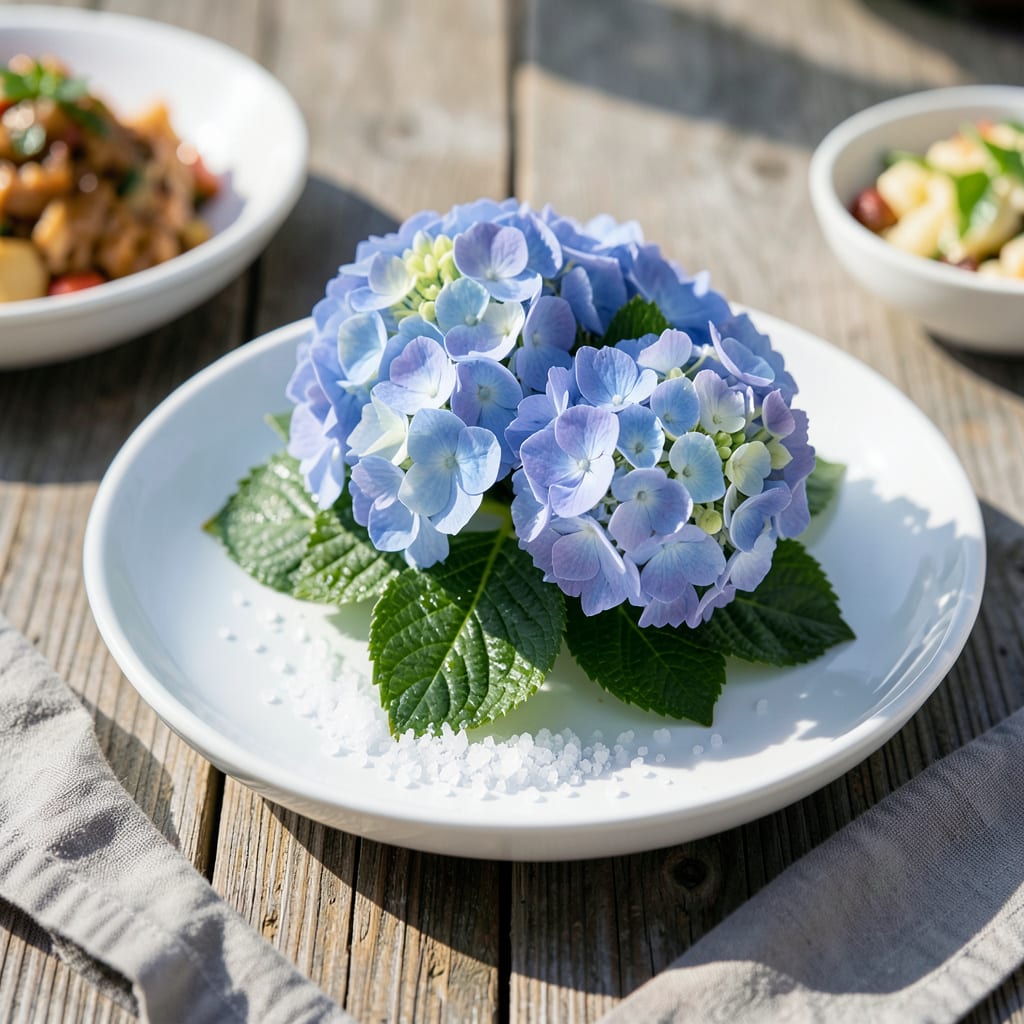
Fertilizing your hydrangeas at the right time is crucial for achieving those stunning blooms that become the centerpiece of your garden. The timing depends on your plant’s growth cycle, type, and—most importantly—soil temperature.
I recommend fertilizing when soil temperatures consistently reach 50-54°F, which usually happens in early spring when new growth appears. A second light application after blooming can benefit certain varieties, but always stop by mid-August.
Here’s the thing—understanding when to fertilize your hydrangeas isn’t just about picking a month on the calendar. I’ve learned that the most reliable guide is soil temperature, not the date.
Once your soil consistently reaches 50-54°F, it’s safe to begin spring fertilization. Depending on your USDA zone, this window ranges from late February in warmer Southern zones to May in cooler Northern areas.
In Zone 6, where I garden, soil temperatures typically hit that sweet spot in mid-April. Zone 7 gardeners can usually start in early April, while Zone 5 folks should wait until late April or early May.
Fair warning: fertilizing too early when the soil is still cold can trigger premature growth that gets zapped by late frosts. I recommend checking your specific hydrangea variety to determine the best fertilization approach for your region.
| Hydrangea Type | Blooms On | Primary Fertilization | Optional Second Feed |
|---|---|---|---|
| Bigleaf (Macrophylla) | Old wood | Early spring (soil 50-54°F) | Midsummer (early July) for rebloomers only |
| Panicle (Paniculata) | New wood | Early spring when growth appears | Not needed |
| Smooth (Arborescens) | New wood | Early spring when growth appears | Not needed |
| Oakleaf (Quercifolia) | Old wood | Early spring (soil 50-54°F) | Not needed |
| Mountain (Serrata) | Old wood | Early spring (soil 50-54°F) | Midsummer for rebloomers |
For bigleaf hydrangeas, a second light fertilization in early July can support reblooming varieties that flower on both old and new wood. This timing helps set the stage for blooming without encouraging tender late-season growth.
Panicle and smooth hydrangeas bloom on new wood, meaning they produce flowers on the current season’s growth. These varieties need only a single spring application when new growth emerges.
Look at your buds before fertilizing. Wait until they’re plump but not yet fully open. This visual cue combined with soil temperature gives you the perfect fertilization window.
💡 Fertilizing too late in the season promotes tender growth that won’t harden off before winter—potentially reducing next year’s blooms on old-wood varieties.
Confession: I made this mistake with my first hydrangea and wondered why it struggled. There’s no need to add fertilizer when you first plant a hydrangea.
Nursery-grown plants already contain sufficient slow-release fertilizer in their root balls. Adding more can burn tender roots that are trying to establish in new soil.
Simply keep your new hydrangea well-watered, provide a 2-3 inch layer of organic mulch, and give it a full growing season to establish its root system. I’ve found this patience pays off dramatically.
Start your fertilization program the spring after planting—typically 10-12 months post-installation. By then, the plant has acclimated to your soil and is ready for nutritional support.
Understanding bloom timing is crucial for fertilization success. Old-wood varieties (bigleaf, oakleaf, mountain, climbing) set their flower buds in late summer or early fall of the previous year.
These varieties need early spring fertilization timed precisely—too late and you miss the window for supporting those pre-formed buds. Too early and you risk frost damage to emerging growth.
New-wood bloomers (panicle, smooth) develop flowers on current-season growth. They can handle slightly later spring feeding and tolerate higher nutrient levels to boost bloom size.
Reblooming varieties like Endless Summer are game-changers. They produce flowers on both old and new wood, benefiting from that optional midsummer boost to encourage a second flush of blooms.
Panicle hydrangeas especially appreciate their vigorous growth being supported by balanced nutrition in early spring.
I always start with a soil test before adding any fertilizer. This simple step tells you whether your hydrangeas actually need supplemental feeding—and many times, they don’t.
If your hydrangeas are planted in nutrient-rich, fertile soil with regular compost additions, you may achieve gorgeous blooms without commercial fertilizers at all.
For hydrangeas that do need feeding, I recommend slow-release granular formulas like Espoma Rose Tone or Holly Tone. Balanced 10-10-10 fertilizers work if your soil test shows deficiencies across the board.
Here’s the catch: high-nitrogen formulas (like lawn fertilizers) will give you lush green leaves but disappointing blooms. Nitrogen-heavy feeding shifts the plant’s energy away from flower production.
Organic options like well-rotted manure or finished compost provide gentle, slow-release nutrition while improving soil structure and moisture retention—both critical for hydrangea health.
💡 Use only 1 tablespoon of granular fertilizer per foot of shrub height. For a 3-foot hydrangea, that’s just 3 tablespoons total—less is truly more.
Water your hydrangeas thoroughly the day before fertilizing. This pre-hydration protects roots from fertilizer burn and helps distribute nutrients evenly.
Sprinkle granular fertilizer on the soil surface around the drip line—the outermost reach of the branches. Keep it away from the center trunk where it can damage the crown.
Water again immediately after application to begin dissolving the granules and moving nutrients into the root zone. This second watering is non-negotiable for preventing leaf and root burn.
Application Geometry for Large Shrubs: For wide, mature hydrangeas (4+ feet across), you’ll need approximately 2 cups of granular fertilizer total. Distribute it evenly in a broad band extending from 6 inches out from the trunk to the drip line. Never pile fertilizer at the base—this concentrates salts that can kill feeder roots.
Slow-release granular fertilizers are hands-down the best choice for hydrangeas. They break down gradually over 2-4 months, providing steady nutrition throughout the critical spring and early summer growth period.
Products like Osmocote, Nutricote, or any formula labeled “slow-release” or “controlled-release” work beautifully. I’ve had excellent results with these ✨
Liquid fertilizers deliver nutrients immediately—which sounds great but actually works against hydrangeas’ needs. These products wash through the soil quickly, often within 2-3 weeks.
You might use a liquid feed for emergency rescue of a nutrient-deficient plant showing yellowing leaves. But for routine feeding, liquids create feast-or-famine nutrition cycles that stress the plant.
Fast-release formulas can also spike vegetative growth at the expense of blooms. Your hydrangea grows lots of leaves but produces fewer flowers—exactly what we’re trying to avoid.
Here’s a critical rule I never break: stop all fertilization by mid-August, regardless of your hydrangea type or hardiness zone 🔥
Late-season feeding encourages tender new growth that doesn’t have time to harden off before winter. This soft growth is highly susceptible to freeze damage and winter kill.
For bigleaf, oakleaf, and mountain hydrangeas, late fertilization can be devastating. These varieties are setting next year’s flower buds in late summer and early fall.
If you push nitrogen-fueled vegetative growth during this critical period, you’ll reduce bud formation. Worse, if that new growth dies over winter, you lose those buds entirely—resulting in few or no blooms the following year.
Even panicle and smooth hydrangeas benefit from the August cut-off. Hardy new wood is healthier wood, and stopping fertilizer allows stems to lignify properly before dormancy.
I stumbled upon this revelation after years of dutiful fertilizing: many established hydrangeas in organically-rich soil don’t need fertilizer at all.
A simple soil test (available through your county extension office or home test kits) reveals pH and nutrient levels. If your results show adequate phosphorus, potassium, and moderate nitrogen, skip the synthetic fertilizer.
Hydrangeas growing vigorously with deep green leaves and abundant blooms are telling you the soil is fine. Don’t fix what isn’t broken—over-fertilization causes more problems than under-fertilization.
If you’ve been regularly adding compost or organic mulch that breaks down over time, you’re already feeding your hydrangeas. These organic inputs provide balanced, slow-release nutrition naturally.
Poor sandy soils or heavy clay often do need supplemental feeding. But test first, feed second. This approach prevents the common mistake of adding nutrients that are already present in excess.
Remember that soil quality affects how well your hydrangeas can utilize fertilizers. Good drainage and organic matter content are foundational—fertilizer is supplemental, not foundational.
When it comes to fertilizing hydrangeas, different varieties have distinct needs that go beyond simple timing. Understanding these differences helps you provide precisely what each type requires.
Bigleaf varieties (Hydrangea macrophylla) include mopheads and lacecaps. These are the most nutrient-sensitive types and benefit most from careful fertilization timing.
Apply fertilizer in early spring when soil reaches 50-54°F and buds are swelling but not open. Reblooming bigleaf varieties like Endless Summer can receive a second light feeding in early July to support their second bloom cycle.
These plants are setting next year’s flower buds shortly after blooming finishes, so that midsummer application supports both current reblooming and next year’s bud formation.
Panicle hydrangeas (Hydrangea paniculata) are the workhorses of the hydrangea world. Varieties like ‘Limelight’ and ‘PeeGee’ grow quickly and can handle slightly higher nutrient levels.
These new-wood bloomers need only a single spring application when new growth appears. Their vigorous nature means they respond well to balanced slow-release fertilizers that support both foliage and blooms.
Because they bloom in mid to late summer, spring feeding perfectly times nutrient availability for flower bud development on current-season growth.
Smooth hydrangeas (Hydrangea arborescens) like ‘Annabelle’ and oakleaf hydrangeas (Hydrangea quercifolia) are remarkably low-maintenance regarding fertilization.
A single spring feeding when growth emerges is typically sufficient. These natives often thrive in average garden soil without supplemental feeding, especially if you maintain organic mulch.
Oakleaf varieties particularly appreciate slightly acidic soil rich in organic matter. Compost and shredded leaf mulch often provide all the nutrition they need.
The best month depends on your hardiness zone and soil temperature, not the calendar. Wait until soil consistently reaches 50-54°F, which typically occurs in late February in Zone 7, April in Zone 6, and early May in Zone 5. Always check that buds are swelling but not yet open before applying fertilizer.
Always fertilize hydrangeas in spring, never in fall. Spring feeding supports active growth and bloom development. Fall fertilization encourages tender new growth that won’t harden off before winter, potentially killing flower buds and reducing next year’s blooms. The absolute cut-off for any feeding is mid-August.
Use exactly 1 tablespoon of granular fertilizer per foot of shrub height. A 3-foot-tall hydrangea needs 3 tablespoons total. Large, wide shrubs (4+ feet across) need approximately 2 cups maximum. Distribute it evenly around the drip line—never pile it at the base. Over-fertilizing causes excessive foliage growth and fewer blooms.
Use 10-10-10 only if a soil test shows balanced deficiencies. High-nitrogen formulas can reduce blooms by pushing leaf growth instead. I recommend slow-release products like Espoma Rose Tone or Holly Tone formulated for flowering shrubs. If your soil is already fertile, skip synthetic fertilizer entirely and use compost instead.
Not necessarily. Hydrangeas growing in organically-rich soil with regular compost additions often don’t need annual fertilization. Test your soil first—if nutrient levels are adequate and your plants show vigorous growth with abundant blooms, fertilizer isn’t needed. Only feed plants growing in poor soil or showing nutrient deficiency symptoms like pale leaves or sparse blooms.

