
Beautiful Plants For Your Interior
Beautiful Plants For Your Interior
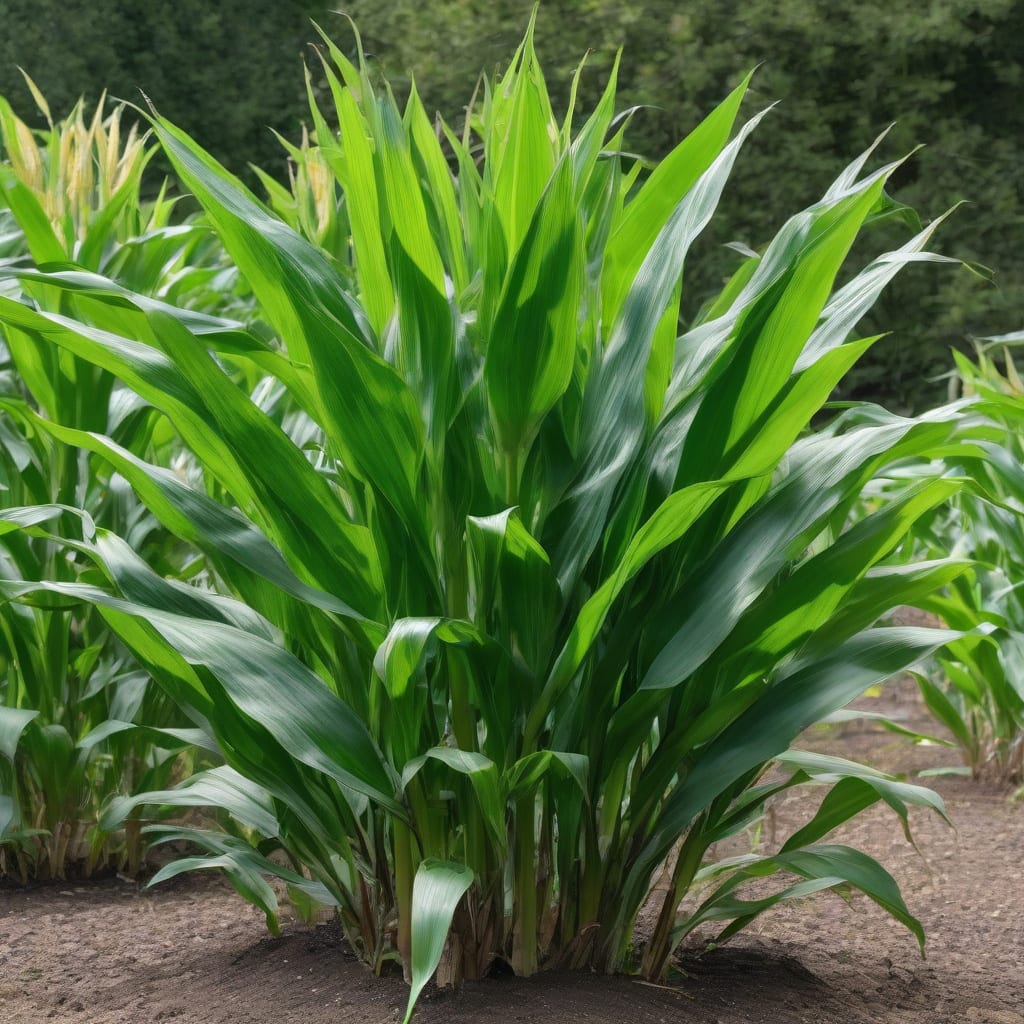
As I stand in a lush cornfield 🌽, I’m always amazed by the towering stalks that can reach impressive heights. Corn plants are one of the most versatile crops, serving multiple purposes beyond just food.
The height of corn plants can vary significantly based on factors like genetics and growing conditions in different USDA zones, including zone 6. Let’s explore how tall corn plants can actually grow and what influences their maximum height.

Corn plant height is influenced by multiple factors that interact in complex ways. The primary determinants include genetics, soil quality, and climate conditions. Different corn varieties have been bred for specific height characteristics, ranging from dwarf varieties around 4-6 feet to standard varieties that can reach 8-10 feet.
The growing conditions play a crucial role in determining the final height of corn plants. Soil quality affects nutrient availability, while climate conditions impact overall growth. Corn plants require full sun with at least 6 hours of direct sunlight daily and consistent moisture, especially during critical growth stages 🌽.
Understanding these factors is essential for both farmers and gardeners who want to optimize their corn crop’s growth. The ideal growing conditions include well-drained soil with a pH between 6.0 and 7.0, and temperatures between 65°F and 85°F during the growing season.
Corn plants require consistent moisture, particularly during critical growth stages such as pollination and ear development. The average corn plant can grow between 6 to 10 feet tall, with some varieties reaching even greater heights under optimal conditions.
The tallest corn plants ever recorded have exceeded 18 feet in height, although such extreme heights are not typical for most commercial varieties. Factors like planting density and nutrient management play crucial roles in determining the final height of corn plants.
Farmers and gardeners can manage corn plant height through various techniques. Adjusting planting density can help control height while maximizing yield. Proper nutrient management, including balanced fertilization, supports healthy growth without promoting excessive height.
Pruning techniques can also be employed to manage corn plant height, although this is more common in garden settings than in large-scale commercial farming. By understanding and manipulating these factors, growers can achieve optimal corn plant height for their specific needs and conditions 🌾.
The height of corn plants is a critical factor in determining both yield and harvestability. Taller plants can be more prone to lodging, which can significantly reduce crop yields. Therefore, managing height is essential for successful corn production.
In conclusion, the height of corn plants is influenced by a combination of genetic and environmental factors. By understanding these factors and employing appropriate management techniques, growers can optimize corn plant height for maximum yield and ease of harvesting 🌽.
Corn plants are known for their impressive growth, with heights varying significantly based on variety and growing conditions. The average corn plant typically grows between 6 to 10 feet tall, which is considered standard for most commercial varieties 🌽.
Some corn varieties are bred to be taller, while others remain shorter. The tallest corn plants ever recorded have reached heights of over 18 feet, although such extreme heights are not common in typical agricultural settings.
The tallest corn plant ever recorded reached 18 feet 2 inches, demonstrating the potential maximum height under ideal conditions.
Most commercial corn varieties average between 7 to 9 feet tall, balancing yield potential with harvestability.
Dwarf varieties typically grow between 4 to 6 feet tall, while semi-dwarf types reach 6 to 8 feet.
The height of corn plants is influenced by both genetic factors and growing conditions. Factors such as soil quality, climate conditions, and farming practices play crucial roles in determining the final height of corn plants.
Corn plants require full sun with at least 6 hours of direct sunlight daily and consistent moisture, particularly during critical growth stages like pollination and ear development 🌾.
Farmers and gardeners can manage corn plant height through techniques such as adjusting planting density and proper nutrient management. These practices help achieve optimal height for maximum yield and ease of harvesting.
Understanding the growth potential of different corn varieties helps growers choose the most suitable type for their specific needs and conditions. By considering factors that influence height, growers can optimize their corn crop’s performance 🌽.
In summary, while the average corn plant grows between 6 to 10 feet tall, some varieties can reach much greater heights under ideal conditions. By understanding the factors that influence corn plant height, growers can make informed decisions to achieve optimal results.
Corn plant height is a critical factor in achieving optimal yield, as it affects both the plant’s ability to capture sunlight and its resistance to lodging. Farmers and gardeners can manage corn height through various techniques to maximize their crop’s performance 🌽.
Adjust planting density to control height while maximizing yield. Proper nutrient management supports healthy growth without promoting excessive height.
One effective method for managing corn height is adjusting planting density. By optimizing the number of plants per acre, growers can influence the overall height of their corn crop. Higher planting densities tend to result in taller plants, while lower densities can lead to shorter stalks.
Nutrient management is another crucial aspect of managing corn plant height. Providing the right balance of nutrients, particularly nitrogen, can help control excessive growth while supporting healthy development. Farmers should conduct soil tests to determine nutrient needs and apply fertilizers accordingly.
In addition to these practices, some growers use plant growth regulators to manage corn height. These products can help reduce lodging risk and improve overall crop standability. However, their use should be carefully considered based on specific growing conditions and crop management goals.
By implementing these strategies, farmers and gardeners can achieve optimal corn plant height for their specific needs. This not only enhances yield potential but also improves harvestability and reduces the risk of lodging 🌾.
Effective height management contributes to a more resilient and productive corn crop. By understanding the factors that influence corn height and employing appropriate management techniques, growers can maximize their crop’s performance and achieve better overall results.
