
Beautiful Plants For Your Interior
Beautiful Plants For Your Interior
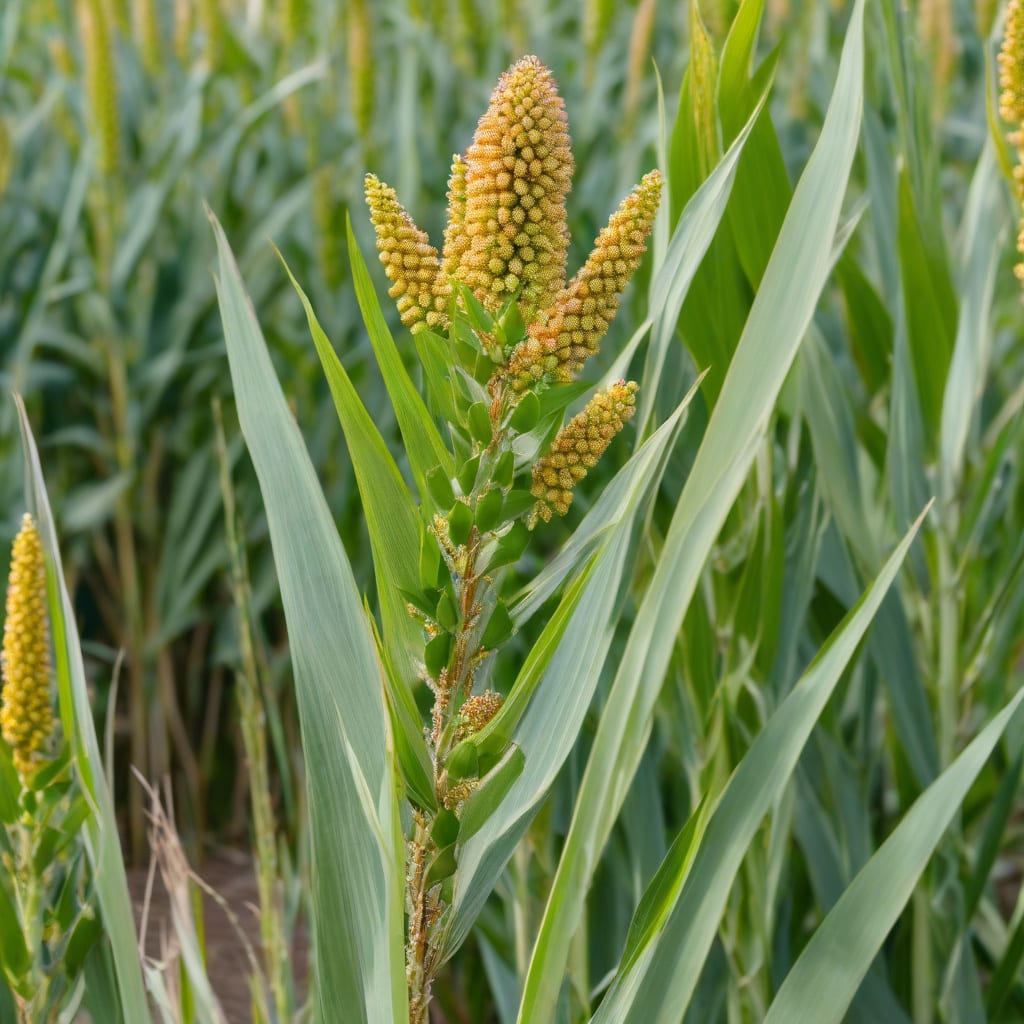
As I stand in my sorghum field 🌽, I’m always amazed at how tall these versatile plants can grow. The height of sorghum varies significantly based on the specific variety and growing conditions, making it essential to understand its growth potential.
In USDA Zone 6, sorghum typically reaches heights between 3 to 6 feet, with some varieties growing even taller under optimal conditions. Let’s explore the factors that influence sorghum height and how to manage it for optimal yield.


Sorghum height is influenced by both genetic and environmental factors. The variety of sorghum plays a significant role in determining its potential height, with different types having distinct growth characteristics.
Environmental conditions such as soil quality, climate, and watering practices also significantly impact sorghum height. Understanding these factors is crucial for optimizing cultivation practices.
The genetic makeup of sorghum varieties dictates their potential height range. For instance, dwarf sorghum typically grows between 3 to 6 feet, while tall varieties can reach heights of 5 to 15 feet or more. Environmental factors further modify this genetic potential.
Soil quality is a critical environmental factor. Sorghum prefers well-draining, fertile soils with a pH between 6.0 and 7.0. Poor soil conditions can limit root development and nutrient uptake, potentially stunting plant growth 🌿.
Climate conditions, particularly temperature and sunlight, also affect sorghum height. Sorghum is a warm-season crop that thrives in temperatures between 25°C and 30°C (77°F to 86°F). Adequate sunlight is essential for photosynthesis, which drives growth.
Water availability is another crucial factor. While sorghum is relatively drought-tolerant, consistent moisture during critical growth stages (such as germination and flowering) is necessary for optimal height development. Drought stress can significantly reduce plant height 🌻.
In addition to these factors, planting density can influence sorghum height. Higher planting densities can lead to competition for resources, potentially resulting in taller plants as they compete for light.
Understanding these factors helps farmers make informed decisions about variety selection and cultivation practices to achieve desired plant heights.
By considering both genetic and environmental factors, farmers can optimize sorghum cultivation to achieve the desired height and yield.
Effective management of these factors can lead to healthier, more productive sorghum crops, ultimately benefiting agricultural productivity and sustainability 🌱.
Sorghum is known for its impressive height variability, with different varieties achieving different maximum heights. Understanding these height ranges is crucial for farmers to plan their cultivation strategies effectively.
The height of sorghum plants can vary significantly based on the specific type being grown. Let’s examine the typical height ranges for different sorghum varieties.
Grain sorghum typically grows between 3 to 5 feet tall, making it suitable for grain production. This height range allows for efficient harvesting and processing.
Sweet sorghum, on the other hand, can reach heights of 6 to 12 feet. Its taller stature is beneficial for producing syrup and biofuel, as it allows for greater biomass production 🌼.
Forage sorghum varieties can grow even taller, ranging from 5 to 15 feet. This height is advantageous for animal feed, as it provides more fodder for livestock.
The height of sorghum plants is not just a matter of variety; environmental conditions also play a significant role. Factors such as soil quality, climate, and watering practices can influence the final height of the plants.
Farmers can optimize sorghum height by selecting the appropriate variety for their specific needs and growing conditions. By understanding the typical height ranges for different sorghum types, farmers can better plan their cultivation and harvesting strategies.
Effective management of sorghum height can lead to improved crop yields and more efficient farming practices, ultimately benefiting agricultural productivity 🌱.
To achieve optimal yield and harvest from sorghum crops, farmers must effectively manage plant height. This involves a combination of proper cultivation practices and strategic decision-making.
Adjust planting density to control sorghum height – higher densities can lead to taller plants competing for light.
Managing sorghum height begins with selecting the appropriate variety for your specific needs and growing conditions. Different sorghum types have inherent height potentials, so choosing the right variety is crucial.
Planting density is another critical factor in managing sorghum height. Higher planting densities can result in taller plants as they compete for light, while lower densities may lead to shorter, bushier plants.
Nutrient management also plays a significant role. Proper fertilization can support healthy growth and optimal height development. Farmers should consider soil tests to determine nutrient needs and apply fertilizers accordingly 🌾.
In some cases, farmers may use growth regulators to manage sorghum height. These chemicals can help control plant height, making harvesting easier and potentially increasing yields.
By combining these strategies, farmers can effectively manage sorghum height to achieve optimal yields and simplify the harvesting process, ultimately benefiting agricultural productivity 🌱.
