
Beautiful Plants For Your Interior
Beautiful Plants For Your Interior
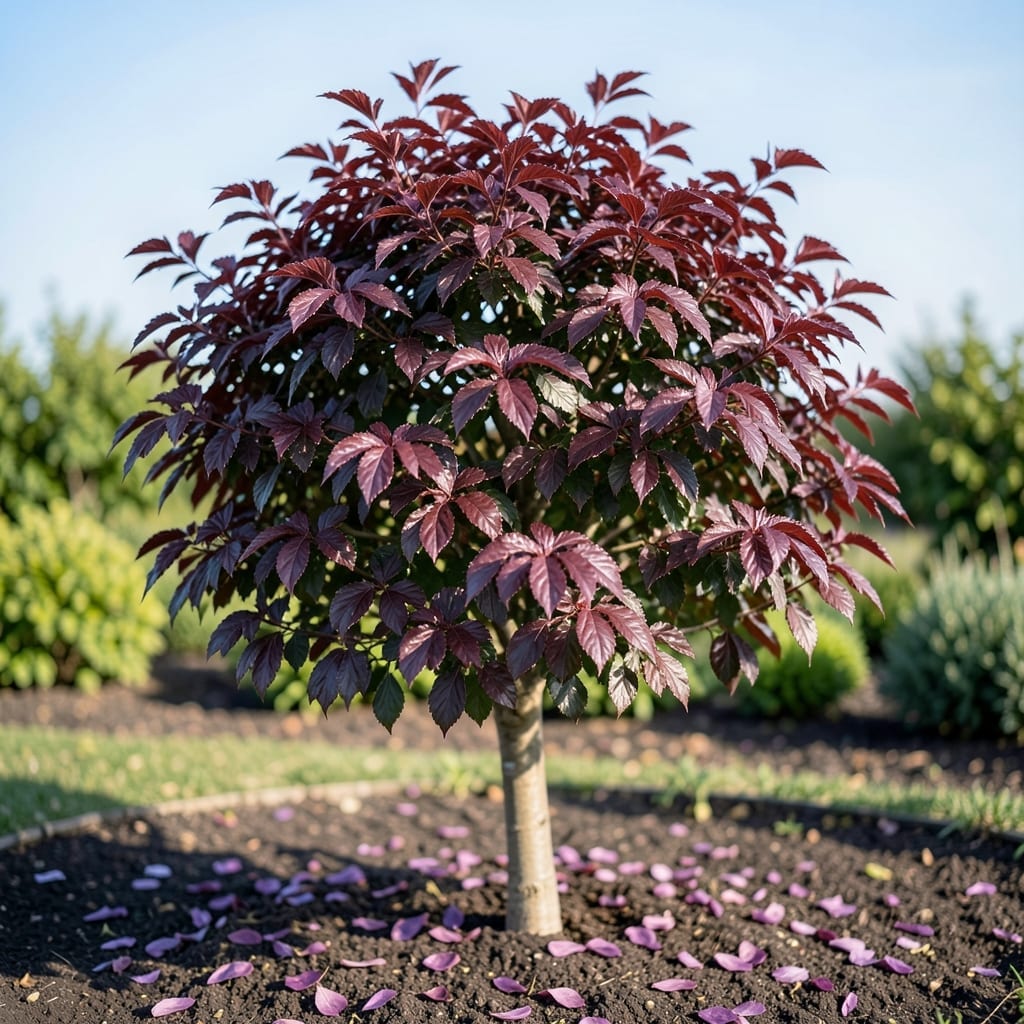
Purple leaves in fall occur as chlorophyll breaks down, revealing anthocyanin pigments triggered by cool nights, bright days, and sugar buildup in leaves.
This vibrant transformation is nature’s way of showing how plants adapt to seasonal shifts. The cooler temperatures slow chlorophyll production, while bright sunlight helps create those rich anthocyanins, giving leaves their deep purple hue. I’ve noticed this process is most dramatic in certain tree species like dogwoods and maples, which thrive under these conditions. 🌟
💡 In This Article
Anthocyanins are water-soluble pigments that create the purple, red, and blue hues in plants. Unlike chlorophyll, which absorbs blue and red light for photosynthesis, anthocyanins absorb green and blue light, reflecting the vibrant purple we see.
These pigments are produced in the leaf’s vacuoles when sugars accumulate and react with certain proteins under specific light conditions. 🔥
Cool autumn nights (below 50°F) trigger this process by slowing chlorophyll production while bright, sunny days (above 60°F) provide the energy needed for anthocyanin synthesis. The temperature swing between day and night is crucial—this fluctuation signals the tree to begin its seasonal transition.
Trees like Japanese maples and purple leaf plums are particularly responsive to these conditions.
Sugar buildup in leaves plays a key role in this color change. As photosynthesis continues during the day but slows at night, sugars get trapped in the leaves. This excess sugar combines with anthocyanin precursors, creating the deep purple pigments. The more sugar accumulates, the more intense the purple coloration becomes.
This is why well-nourished trees often display the most vibrant fall colors.
Different tree species produce varying shades of purple based on their genetic makeup and environmental conditions. For example, dogwoods tend to develop deep red-purple leaves, while some oaks show more muted purple tones. The pH level in the leaves can also influence the exact shade, with more acidic conditions producing brighter purples. ✨
The timing of this color change depends on latitude and local weather patterns. In northern regions, the process may begin as early as late September, while southern areas might not see peak color until November. Drought conditions can sometimes accelerate leaf color changes, as stressed trees produce more anthocyanins as a protective measure. 💫
Different species produce varying pigments. Trees like dogwoods create purple due to higher anthocyanin concentrations, while maples may turn red from different anthocyanin blends.
No, but you can intensify the color. Ensure proper sunlight (6+ hours daily), slightly acidic soil (pH 6.0-6.5), and consistent watering (1-2 inches weekly).
No, only certain species like Japanese maples and purple leaf plums naturally produce purple. Others may show red, orange, or yellow, depending on their pigment composition.
Typically 2-4 weeks, depending on weather. Cool, sunny days maintain the color longest, while frost or strong winds can cause leaves to drop prematurely.