
Beautiful Plants For Your Interior
Beautiful Plants For Your Interior
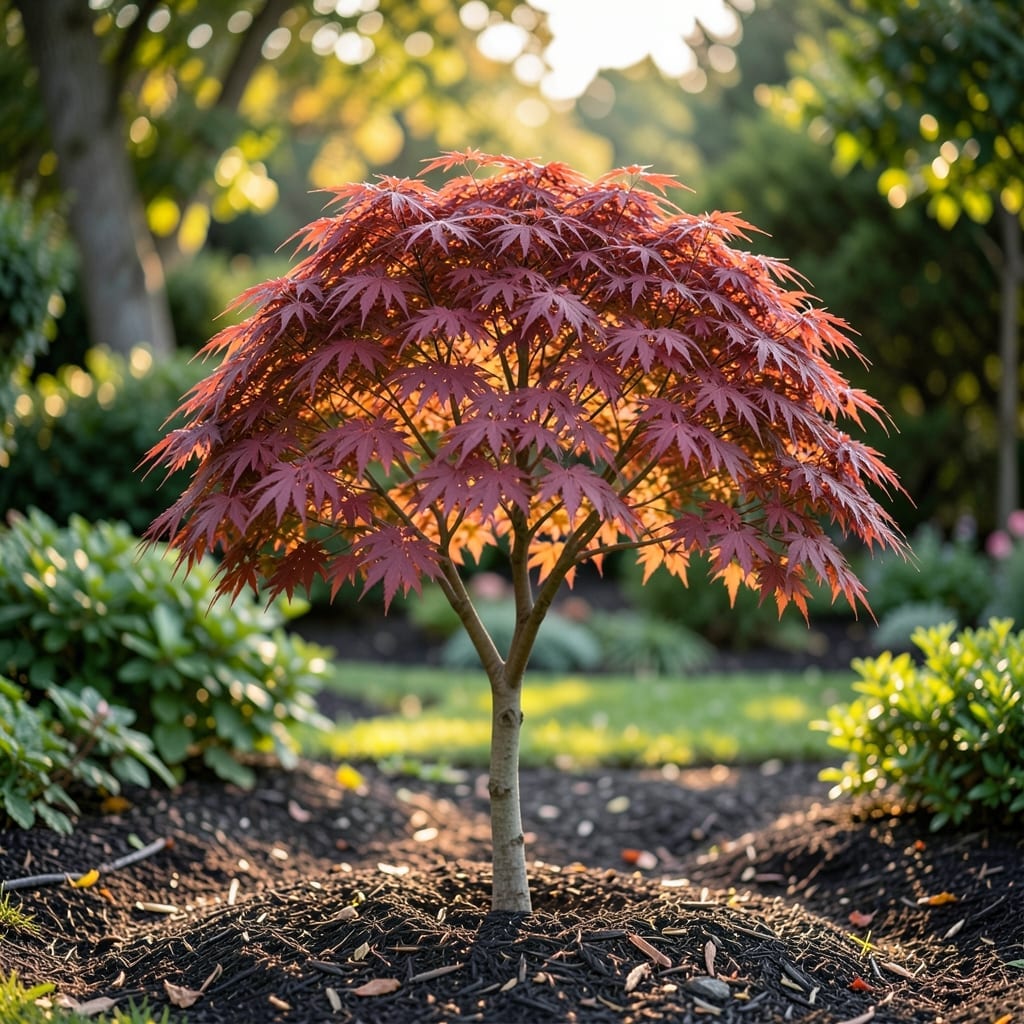
Nothing transforms a garden quite like the fiery display of a Japanese Maple 🌳 in full red glory. But timing that perfect color burst takes a little know-how.
It’s not just about the calendar—your Japanese Maple’s red transformation depends on its variety and local climate. Some cultivars blaze red all season, while others save their show for fall.
I’ve learned that even small factors like sunlight and soil can shift the timeline dramatically. In zones 5-9, you’ll typically see the first hints of change in early autumn.
Discover how to coax the most vibrant reds from your tree and when to expect that stunning display in your own backyard.
I’ve found that Japanese maples transform their foliage at different times depending on the variety and season. Most red varieties, like Bloodgood, begin their color shift in early fall, but some start as early as late summer. 🌳
The timing also varies by climate zone. In cooler regions (USDA Zones 5-6), the change often starts in September, while warmer areas (Zones 8-9) may see it in October or November. Spring growth can show red hues too. 🌿
| Variety | Red Color Timing | Season |
|---|---|---|
| Bloodgood | Early to mid-fall | Sept-Oct |
| Emperor I | Mid to late fall | Oct-Nov |
| Crimson Queen | Late summer to fall | Aug-Oct |
| Red Dragon | Spring and fall | Apr & Oct |
For spring color, varieties like Red Dragon display deep red foliage as new leaves emerge in April. This is less common but incredibly striking. I recommend planting these in partial shade to preserve color intensity. ☀️
In fall, the process begins with cooler night temperatures (below 50°F). The chlorophyll breaks down, revealing the red pigments. I’ve noticed this happens faster in dry conditions, so consistent watering helps. 💧
Varieties like Tamukeyama often turn earlier than others. Its cascading branches make the red transformation even more dramatic. I suggest marking your calendar for late September in most regions to catch the start. ✂️
For year-round red, look for cultivars like Inaba Shidare. While they’re most vibrant in spring and fall, they maintain some red tones through summer with proper care. I find morning sun helps sustain color. 🌳
Remember that soil pH affects color intensity. Slightly acidic soil (pH 5.5-6.5) enhances red pigments. I test my soil annually and amend with sulfur if needed. This simple step makes a noticeable difference. 🌱
Finally, stress factors like drought or extreme heat can delay color change. I’ve seen maples in full sun turn earlier but with less vibrant reds. A balanced approach with afternoon shade often yields the best results. 🌿
The vibrant red of Japanese maples isn’t just about seasons—it’s a dance between climate and care. Cooler fall temperatures trigger the color change, but timing varies by region.
In warmer zones, the shift may start later, while cooler areas see earlier reds. I’ve noticed that sunlight exposure and soil pH can also influence the intensity and timing.
I’ve seen Japanese Maples in full sun develop deeper reds, but they need protection from harsh afternoon rays to prevent leaf scorch. A balance is key.
Soil that’s too alkaline can mute those fiery hues. I always test my soil and amend with sulfur if needed to keep my maples thriving and colorful.
Watering practices matter too. Overwatering can dilute color intensity, while drought stress may cause early leaf drop before the full red display.
Finally, avoid heavy pruning in late summer, as it can delay the fall color change you’re eagerly awaiting. A little patience goes a long way.
With the right care, your Japanese maple will reward you with a spectacular red show that’s worth the wait 🌳