
Beautiful Plants For Your Interior
Beautiful Plants For Your Interior
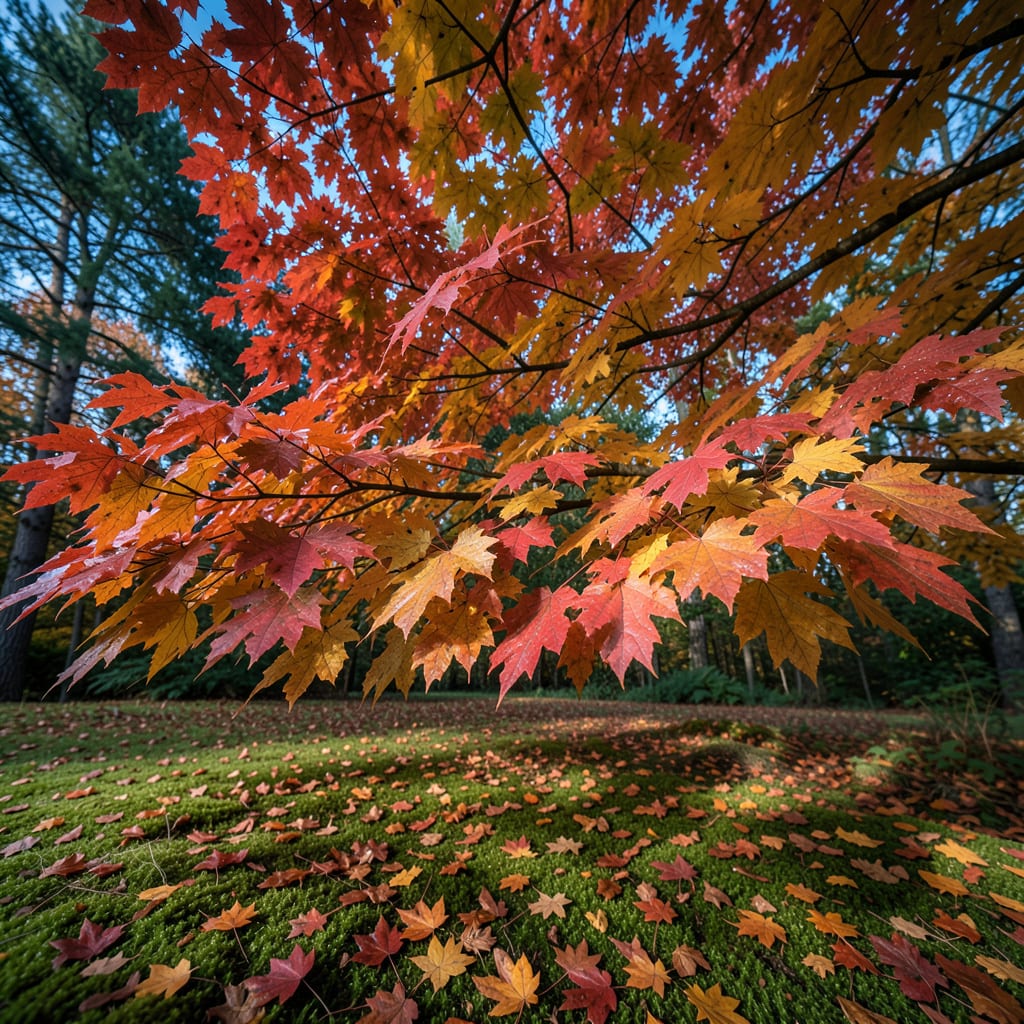
Nothing beats the first crisp October morning when sugar maples ignite in flame. I’ve watched these trees transform my yard into a living painting, their leaves shifting from green to fiery orange and deep red overnight.
Autumn care is simple: keep the soil moist, clear fallen leaves to prevent smothering, and resist heavy pruning. This ensures your maple stays healthy and returns with even brighter colors next year.
📚 In This Guide
Here’s how to ensure your trees deliver that breathtaking fall display every year.
Begin with a thorough inspection of your sugar maple. Look for signs of stress like yellowing leaves in summer or premature leaf drop, which indicate poor soil conditions or disease. I always check the soil pH first—sugar maples thrive in slightly acidic to neutral soil (pH 6.0-7.0).
A simple soil test kit will reveal deficiencies. If the pH is off, amending with lime (to raise pH) or sulfur (to lower pH) in early spring gives the tree time to adjust before fall. Compacted soil? Aerate the root zone to improve oxygen flow—this directly impacts leaf vibrancy later.
Sugar maples need full sun to partial shade for their most spectacular fall colors. Observe your tree’s canopy throughout the day. If it’s shaded by buildings or other trees for more than 6 hours, consider selective pruning of nearby obstructions to increase light penetration.
I’ve found that trees receiving morning sun and afternoon shade often develop the most intense reds and oranges. The sunlight triggers chlorophyll breakdown, revealing the hidden pigments. Without adequate light, leaves may turn a dull yellow or brown instead of those fiery hues.
Consistent moisture is key, especially during late summer. Sugar maples need 1-2 inches of water weekly from rain or irrigation. I use a simple rain gauge to track precipitation. During dry spells, deep watering at the drip line (not the trunk) encourages deep root growth.
Stop watering 2-3 weeks before expected peak color—this mild stress actually intensifies fall colors. However, don’t let the soil become bone dry. The goal is balanced moisture: soil should feel like a wrung-out sponge at 3-4 inches deep.
Apply a balanced, slow-release fertilizer (10-10-10 or similar) in early spring and again in early summer. Avoid high-nitrogen fertilizers late in the season—this promotes leafy growth at the expense of fall color. I’ve had great results with a light application of phosphorus in early fall to boost pigment production.
Organic options work too: compost or well-rotted manure applied as a 2-3 inch mulch ring around the base (keeping it 6 inches from the trunk) provides slow-release nutrients. Remember, over-fertilizing can be worse than under-fertilizing—always follow package instructions precisely.
Common culprits like aphids, scale insects, and tar spot fungus can weaken trees and mute fall colors. Inspect leaves regularly, especially the undersides, for signs of infestation. I treat minor aphid problems with a strong blast of water from the hose—often that’s all it takes.
For fungal issues, improve air circulation by thinning crowded branches and remove fallen leaves promptly. A preventive spray of neem oil in early summer can head off many problems. Healthy trees always produce the most vibrant fall displays, so don’t neglect this step.
Small adjustments in care make a dramatic difference in autumn color intensity.
The Soil Factor: Don’t skip the pH test in Step 1—sugar maples absolutely require that 6.0-7.0 range for vibrant colors. I learned this the hard way after years of lackluster foliage. Compacted soil suffocates roots, so aerate the drip line area in early spring to give your tree the best chance at those fiery reds and oranges.
Sunlight Strategy: The 6-hour shade threshold in Step 2 is critical. If your tree gets less than full sun to partial shade, prioritize pruning obstructions to the east side first. Morning sun triggers the chlorophyll breakdown that reveals those stunning hidden pigments, while afternoon shade prevents stress that can mute colors.
Watering Wisdom: That 1-2 inches weekly in Step 3 isn’t arbitrary—it’s the sweet spot for deep root development. The 2-3 week pre-color watering stop creates just enough stress to intensify pigments, but don’t let the soil at 3-4 inches deep get bone dry. A simple rain gauge removes all guesswork from this process.
Fertilizer Timing: Late-season nitrogen applications are the enemy of good fall color. Stick to the early spring and summer schedule in Step 4, and consider that light phosphorus boost in early fall. Remember, that 2-3 inch mulch ring should never touch the trunk—keep it 6 inches away to prevent rot while still delivering nutrients.
Sugar maple leaves typically start changing color in late September to early October, with peak vibrancy in mid-October. The exact timing depends on weather conditions and location, with cooler temperatures and sunny days enhancing the display.
The color change is due to the breakdown of chlorophyll, revealing hidden pigments. Red comes from anthocyanins, produced in sunny autumn days, while orange and yellow come from carotenoids, always present in the leaves.
The vibrant fall colors of sugar maple leaves usually last 2-3 weeks, depending on weather. Frost, wind, or heavy rain can shorten this period, while calm, cool conditions extend the display.
Yes! Sugar maples are a popular choice for ornamental planting due to their stunning fall colors. Ensure they have well-drained soil, full sun, and enough space to thrive. They also provide shade and syrup potential!
Brown leaves may indicate stress from drought, disease, or poor soil conditions. Ensure proper watering, good drainage, and healthy soil. If the issue persists, consult a local arborist for advice.
