
Beautiful Plants For Your Interior
Beautiful Plants For Your Interior
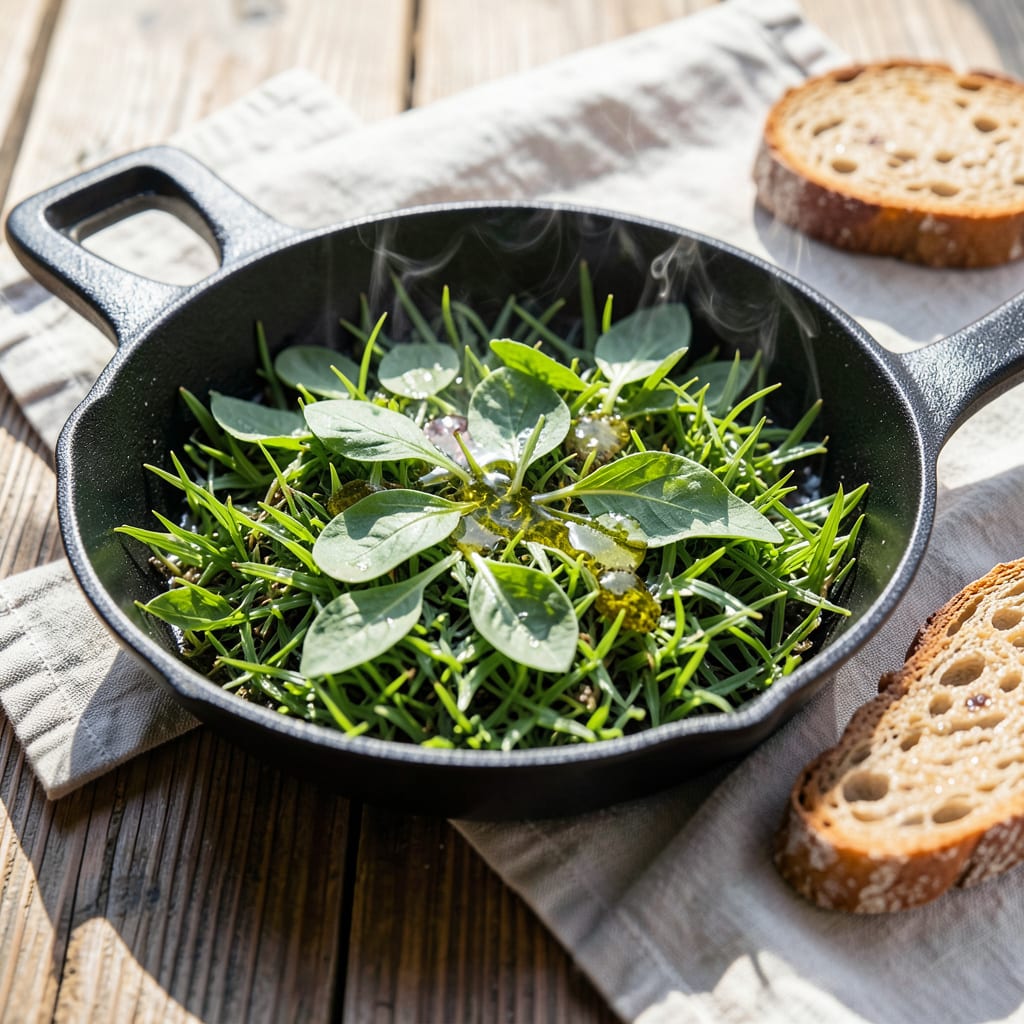
As a Texas homeowner, maintaining a lush St Augustine grass 🌿 lawn can be challenging. The key to success lies in understanding when to fertilize – timing is everything for this warm-season grass that thrives in Texas’s 8a climate.
Fertilizing at the right moments can make all the difference in achieving that perfect lawn. I’ll guide you through the best times to fertilize your St Augustine grass, ensuring it stays healthy and vibrant throughout the year.

Fertilizing St. Augustine grass in Texas requires understanding the optimal fertilization schedule based on the state’s climate and grass growth patterns. The warm-season grass thrives in Texas’s 8a climate, and fertilizing at the right times is crucial for maintaining a lush, healthy lawn throughout the year.
The ideal fertilization period for St. Augustine grass in Texas is during its active growing season, which typically spans from March to August. During this time, the grass requires more nutrients to support its rapid growth 🌱.
The 3-1-2 NPK ratio is recommended for St. Augustine grass in Texas. This balanced fertilizer provides the necessary nutrients for healthy growth. Apply 1 lb of fertilizer per 1000 sqft every 4-6 weeks during the growing season.
Early morning is the best time to fertilize St. Augustine grass. This allows the grass to absorb the nutrients throughout the day. Avoid fertilizing during the hottest part of the day or before heavy rain 🌟.
Regional considerations play a significant role in fertilizing St. Augustine grass across Texas. Different regions have varying soil types, temperature, and moisture levels. Understanding these factors is crucial for optimizing fertilization.
In coastal regions, soil salinity and salt spray can affect nutrient availability. In inland areas, soil may require more frequent fertilization due to different soil compositions. Adjust your fertilization schedule based on your specific location and soil conditions.
Common mistakes to avoid when fertilizing St. Augustine grass include over-fertilization, using the wrong fertilizer type, and incorrect timing of applications. These mistakes can lead to lawn damage and environmental harm.
To prevent these issues, carefully follow the recommended fertilization rates and application timing. Choose a balanced fertilizer that matches the specific needs of your St. Augustine grass.
By understanding the best times to fertilize and avoiding common mistakes, you can maintain a healthy, vibrant lawn throughout the year. Regular monitoring and adjustments to your fertilization schedule will help ensure optimal results for your St. Augustine grass in Texas.
For more information on lawn care and fertilization, consider consulting local gardening experts or your county extension office for personalized advice tailored to your specific region and soil conditions 📚.
When it comes to fertilizing St. Augustine grass in Texas, understanding regional differences is crucial for optimal results. The state’s diverse climate and soil conditions require tailored approaches to lawn care 🌱.
Texas can be broadly divided into several regions, each with unique characteristics that affect St. Augustine grass growth. These include coastal areas, inland regions, and urban environments. Each region presents distinct challenges and opportunities for lawn care.
By understanding these regional factors and adjusting your fertilization schedule accordingly, you can maintain a healthy, vibrant lawn throughout the year. Regular monitoring and adjustments will help ensure optimal results for your St. Augustine grass in Texas 🌟.
For more specific guidance tailored to your region, consult with local gardening experts or your county extension office. They can provide valuable insights into the best practices for your area 📚.
Key regional considerations include soil type, temperature fluctuations, and moisture levels. By taking these factors into account, you can create a fertilization plan that meets the unique needs of your lawn.
Implementing a regional fertilization strategy will help you achieve the best possible results for your St. Augustine grass. This approach ensures that your lawn receives the right nutrients at the right time, promoting healthy growth and resilience 🌱.
Fertilizing St. Augustine grass in Texas requires careful consideration to avoid common mistakes that can harm your lawn. Understanding these pitfalls is crucial for maintaining a healthy, vibrant lawn throughout the year.
One of the most significant errors is over-fertilization. Applying too much fertilizer can damage your lawn, causing burned grass and environmental pollution. To avoid this, always follow the recommended fertilization rates and application timing 🌿.
Over-fertilization can lead to lawn damage and environmental harm. Always follow recommended application rates and timing.
Another mistake is using the wrong fertilizer type. St. Augustine grass requires a balanced fertilizer with a 3-1-2 NPK ratio. Using a fertilizer that doesn’t match this ratio can lead to nutrient deficiencies or excesses. Choose a fertilizer that is specifically formulated for St. Augustine grass in Texas.
Incorrect timing of applications is also a common error. Fertilizing during the wrong season or at the wrong time of day can reduce its effectiveness. For St. Augustine grass in Texas, fertilize during the active growing season (March to August) and apply fertilizer in the early morning when possible 🌟.
By avoiding these common mistakes, you can ensure that your St. Augustine grass receives the right nutrients at the right time, promoting healthy growth and resilience. Regular monitoring and adjustments to your fertilization schedule will help you achieve the best possible results for your lawn.
For more specific guidance tailored to your region, consult with local gardening experts or your county extension office. They can provide valuable insights into the best practices for your area, helping you maintain a lush, healthy lawn throughout the year 📚.
Fertilize every 4-6 weeks during the active growing season (March to August). Use a balanced fertilizer with a 3-1-2 NPK ratio at 1 lb/1000 sqft. This frequency supports healthy growth without over-fertilizing. Regular applications help maintain a lush, vibrant lawn throughout the growing season.
The early morning is ideal for fertilizing. This timing allows the grass to absorb nutrients throughout the day. Avoid fertilizing during the hottest part of the day or before heavy rain to maximize effectiveness and prevent waste.
No, it’s best to stop fertilizing during winter (October to February) when St. Augustine grass is dormant. Fertilizing during this period can promote weak growth that’s susceptible to cold damage. Wait until March when the grass becomes active again.
Regional factors like soil type, temperature, and moisture levels vary across Texas. For example, coastal regions may require slow-release fertilizers due to soil salinity, while inland areas might need more frequent fertilization. Adjust your fertilization schedule based on your specific location and soil conditions for optimal results.
