
Beautiful Plants For Your Interior
Beautiful Plants For Your Interior
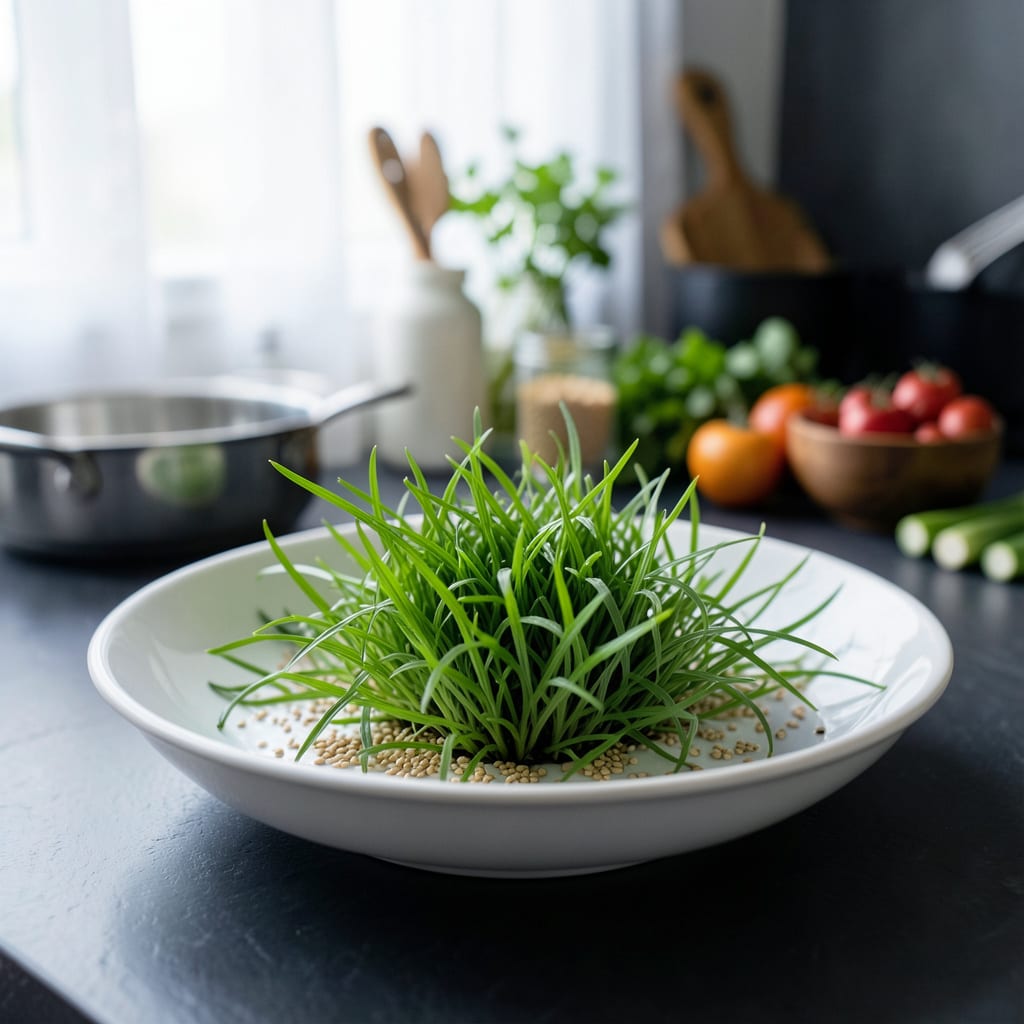
Fertilizing your Cool Season Grass 🌿 at the right time is crucial for a lush, healthy lawn. In USDA Zone 6, the ideal times are during fall (September to November) and spring (March to May) when the grass is actively growing.
Understanding the optimal fertilization schedule will help you achieve the best results. I’ll guide you through the best practices for fertilizing your Cool Season Grass, ensuring a vibrant lawn throughout the year.

Fertilizing cool season grass at the right time is crucial for maintaining a healthy and lush lawn. Cool season grasses thrive in temperatures between 40°F and 75°F, making fall and spring the ideal times for fertilization 🌿.
In USDA Zone 6, the best times to fertilize cool season grass are during early fall (September to November) and early spring (March to May). During these periods, the grass is actively growing, and fertilization can promote healthy growth and development.
The fertilizer type you choose is also important. A balanced fertilizer (e.g., 10-10-10 NPK) is suitable for most cool season grasses, while a high nitrogen fertilizer (e.g., 20-5-10 NPK) can promote lush growth and green color 🌿.
When applying fertilizer, it’s essential to follow the recommended application rate to avoid over-fertilizing, which can damage your lawn. Typically, 1 lb of fertilizer per 1000 sqft is a good starting point.
The timing of fertilization is also critical. Fertilizing during the early morning or evening can help reduce evaporation and promote absorption.
Soil conditions should also be considered when fertilizing cool season grass. Fertilizing when the soil is moist but not waterlogged can help promote healthy growth.
In addition to fertilization, proper mowing and watering practices are essential for maintaining a healthy lawn. Maintaining your mower at a height of 2.5-3 inches and watering deeply but infrequently can help promote deep root growth 🌱.
Fertilizing cool season grass is just one aspect of maintaining a healthy lawn. Other factors, such as soil pH and pest control, should also be considered to ensure optimal growth.
By following these guidelines and understanding the optimal fertilization schedule for your cool season grass, you can achieve a lush, healthy, and vibrant lawn throughout the year 🌿.
For more specific advice on fertilizing your cool season grass, consider consulting with a local gardening expert or landscape professional who can provide personalized guidance.
Remember, a healthy lawn requires ongoing care and maintenance, including regular fertilization, mowing, and watering. By staying committed to these practices, you can enjoy a beautiful and thriving lawn for years to come 🌟.
Different cool season grass types have unique fertilization needs. Understanding these differences is crucial for maintaining a healthy lawn 🌿.
The main cool season grass types include bluegrass, fescue, and ryegrass. Each type requires a tailored fertilization approach to thrive.
Bluegrass requires a balanced fertilizer to promote healthy growth. Fertilizing every 4-6 weeks during the growing season can help maintain a lush, green color 🌿.
Fescue benefits from a slow-release fertilizer, which provides nutrients over an extended period. Fertilizing every 6-8 weeks can help promote deep root growth 🌱.
Ryegrass requires a high nitrogen fertilizer to promote lush growth and green color. Fertilizing every 4-6 weeks during the growing season can help achieve optimal results 🌟.
Understanding the specific needs of your cool season grass type is crucial for developing an effective fertilization strategy. By tailoring your fertilization approach to your grass type, you can achieve a healthy, vibrant lawn throughout the year 🌿.
For more specific advice on fertilizing your cool season grass, consider consulting with a local gardening expert or landscape professional who can provide personalized guidance 📚.
By following these guidelines and understanding the unique needs of your cool season grass, you can enjoy a beautiful and thriving lawn for years to come 🌟.
Fertilizing cool season grass requires careful planning and execution to avoid common mistakes that can harm your lawn 🌿.
One of the most significant errors is over-fertilizing, which can cause excessive growth, burn the grass, and pollute waterways. To avoid this, always follow the recommended application rate and fertilizer type for your specific grass type.
Over-fertilizing can damage your lawn and the environment. Always follow the recommended application rate and fertilizer type.
Another common mistake is under-fertilizing, which can result in poor growth and weak color. To avoid this, ensure you’re using the right fertilizer type and application frequency for your grass type.
Soil conditions also play a crucial role in fertilization. Fertilizing when the soil is waterlogged or dry can be ineffective or even harmful. Always check the soil moisture before fertilizing 🌱.
By being aware of these common mistakes and taking steps to avoid them, you can ensure your cool season grass receives the nutrients it needs to thrive 🌟.
For more specific advice on fertilizing your cool season grass, consider consulting with a local gardening expert or landscape professional who can provide personalized guidance 📚.
By following these guidelines and being mindful of the potential pitfalls, you can enjoy a healthy, vibrant lawn throughout the year 🌿.
The best times to fertilize cool season grass are during early fall (September to November) and early spring (March to May) when the grass is actively growing. Fertilizing during these periods promotes healthy growth and development.
Fertilization frequency depends on the grass type. For example, bluegrass and ryegrass should be fertilized every 4-6 weeks during the growing season, while fescue benefits from fertilization every 6-8 weeks. Always check the specific needs of your grass type.
A balanced fertilizer (e.g., 10-10-10 NPK) is suitable for most cool season grasses, while a high nitrogen fertilizer (e.g., 20-5-10 NPK) can promote lush growth and green color. The right fertilizer type depends on your specific grass variety and its needs.
It’s generally recommended to avoid fertilizing cool season grass during the hottest summer months when the grass is dormant or under stress. Instead, focus on fertilizing during the fall and spring when the grass is actively growing.
