
Beautiful Plants For Your Interior
Beautiful Plants For Your Interior
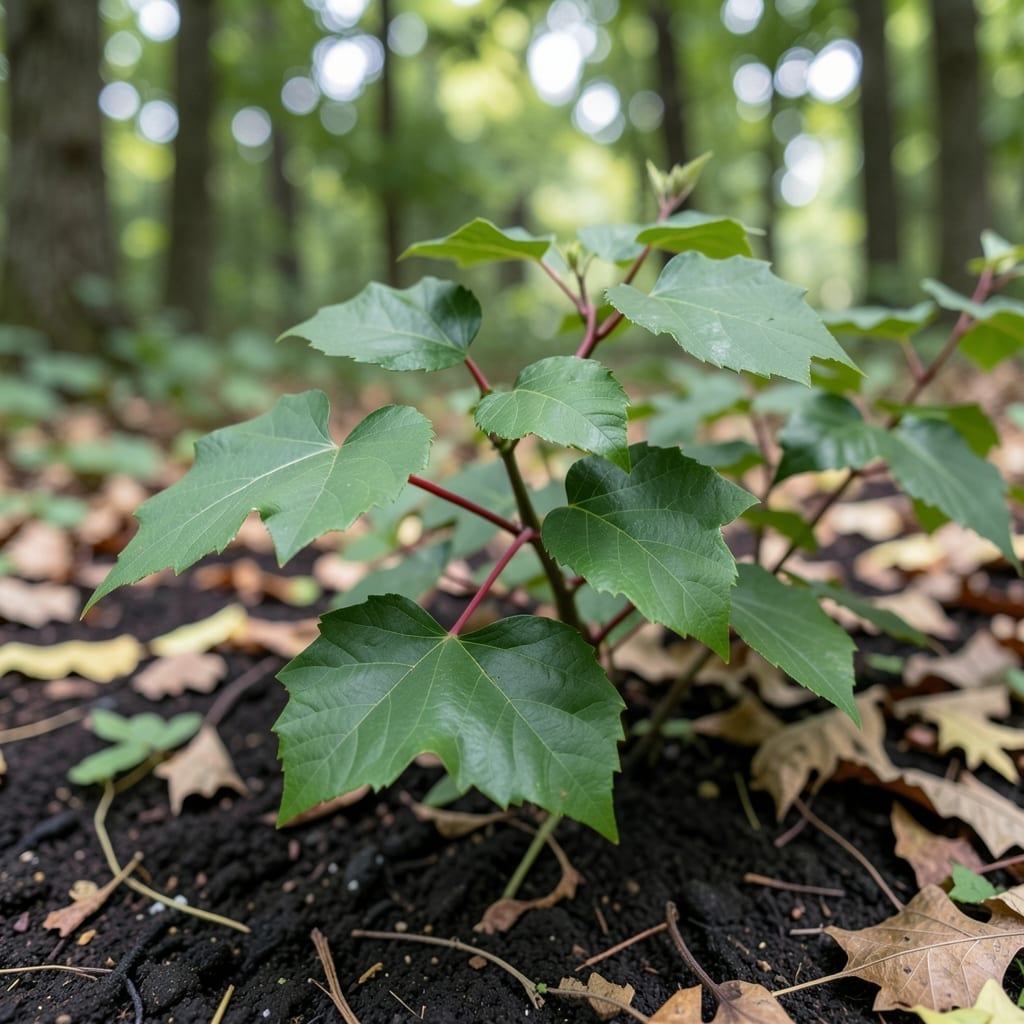
Poison ivy consistently has three pointed leaflets per stem, forming a cluster. This trademark trio follows the rhyme ‘leaves of three, let it be’ for easy identification.
This distinctive three-leaf pattern isn’t random—it’s a botanical trait called trifoliate, common in the plant family. I’ve noticed the middle leaf often has a slightly longer stem, while the side leaves may appear more rounded. The edges can be smooth or toothed, and the color shifts from bright green in spring to fiery red in fall. 🌿
💡 In This Article
The trifoliate structure isn’t unique to poison ivy, but it’s a defining characteristic. Botanically, this pattern emerges because the plant’s leaf arrangement develops from a single bud that splits into three distinct leaflets.
This is a genetic blueprint shared with other plants in the Anacardiaceae family, like cashew and mango trees, though poison ivy’s leaflets are always grouped in sets of three. 🌱
Each leaflet typically measures 2-6 inches long, with the middle one often appearing slightly larger. The edges can vary from smooth to serrated, and the surface may have a glossy or matte finish.
In spring, the leaves emerge with a reddish tint, turning bright green in summer, then transforming into vibrant red, orange, or yellow in autumn. This seasonal change can make identification trickier when the leaves aren’t green.
The arrangement of these leaflets is also telling. They grow in an alternating pattern along the stem, with each set of three emerging at different heights. The middle leaflet’s stem is usually longer than the side ones, creating a staggered look. This isn’t just for aesthetics—it helps the plant maximize sunlight exposure for photosynthesis.
What most people don’t realize is that poison ivy can also produce small, greenish-white berries in fall and winter. These berries grow in clusters where the leaflets meet the stem. While the berries themselves aren’t the primary cause of rashes, they’re another visual clue—especially in seasons when leaves might be sparse or absent.
This consistent three-leaf pattern is nature’s warning sign. The plant’s urushiol oil, which causes the allergic reaction, is present in all parts—leaves, stems, and even roots. Understanding this structure helps you spot it in various environments, from forest floors to urban parks. ✨
It’s a botanical trait called trifoliate—the plant grows from a single bud that naturally splits into three leaflets. This pattern is consistent across the species and shared with relatives like cashew trees.
No, it will always have exactly three leaflets per cluster. If you see a plant with four or five leaves, it’s likely a harmless lookalike like Virginia creeper. Stick to the “leaves of three, let it be” rule.
Yes! In spring, they may appear reddish, turn bright green in summer, and shift to vibrant red, orange, or yellow in fall. The shape can also vary, with smooth or toothed edges.
Often, yes. The middle leaflet typically has a slightly longer stem and may appear larger than the side ones, creating a staggered look. This helps the plant maximize sunlight exposure.