
Beautiful Plants For Your Interior
Beautiful Plants For Your Interior
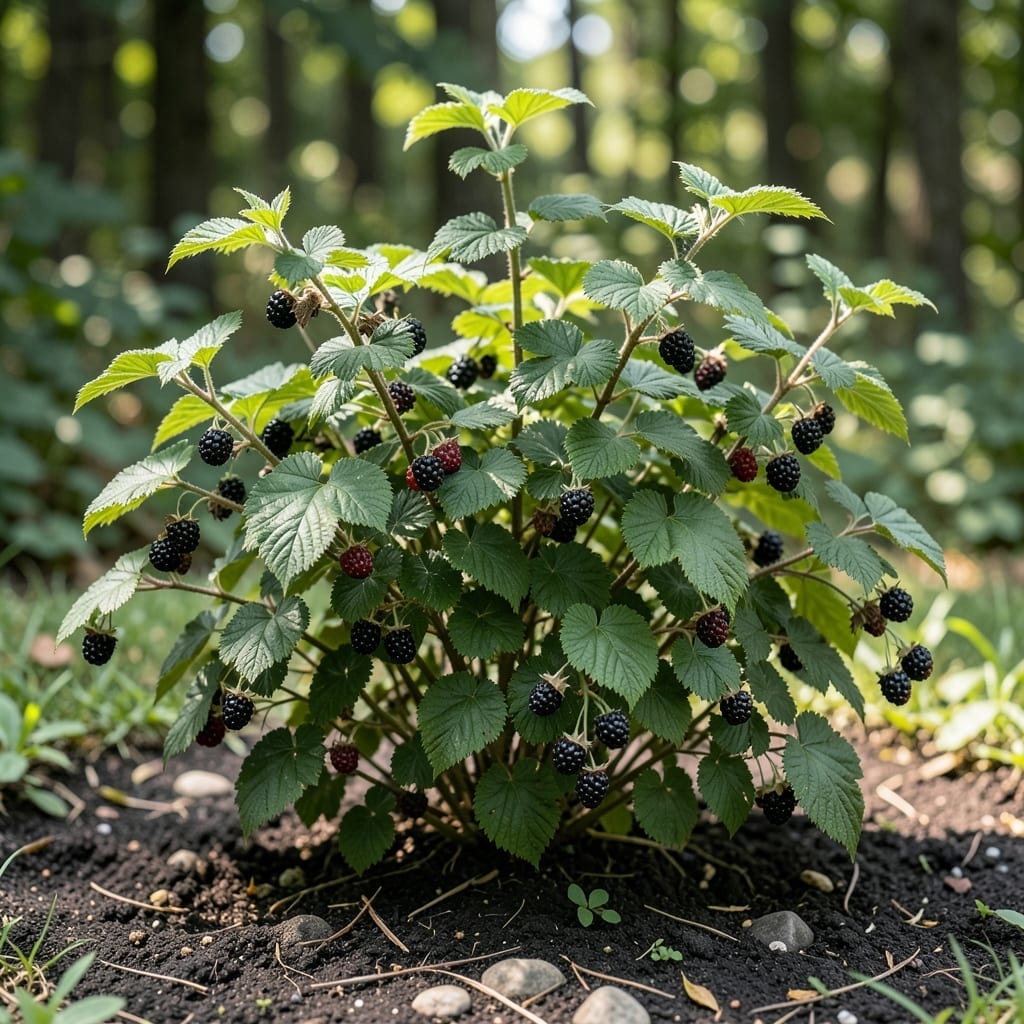
Yes, black raspberries exist as a distinct variety, scientifically known as Rubus occidentalis, with deep purple-black fruit and a sweeter, richer flavor than red raspberries.
I’ve grown these in my own garden, and what sets them apart is their unique color development—starting green, turning red, then deepening to that signature near-black hue at peak ripeness. 🔥 They thrive in well-drained soil with full sun, and their flavor profile often surprises first-time tasters with its intensity. The canes are also less aggressive than red raspberries, making them easier to manage in smaller spaces.
💡 In This Article
The Rubus occidentalis species stands out with its unique growth pattern. Unlike red raspberries, black raspberries produce arching canes that can reach 6-8 feet in length. Their leaves are distinctly different too—compound with 3-5 leaflets that have serrated edges and a white underside, creating a striking visual contrast in the garden.
What truly fascinates me is their color transformation. The berries begin as hard green drupelets, transition to a deep red, then finally mature into that signature inky purple-black. This color shift occurs due to anthocyanin pigments, which develop as the fruit ripens and sugars increase.
The concentration of these pigments is 3-4 times higher than in red raspberries, giving them their intense hue.
Black raspberries also have a different fruit structure. While red raspberries leave a hollow core when picked, black raspberries retain their receptor. This means the fruit stays attached to its white core when harvested, which is a key identifying feature.
The berries themselves are slightly smaller, typically 0.5-0.75 inches in diameter, but pack more flavor per square inch.
The flavor profile is where they really shine. With a brix (sugar content) measurement of 12-15% compared to red raspberries’ 10-12%, they offer a sweeter taste with complex berry notes. Their aroma contains higher concentrations of volatile compounds like linalool and geraniol, which contribute to their distinctive, almost floral fragrance. 🔥
From a botanical standpoint, black raspberries are also more disease-resistant than many red varieties. They’ve evolved natural defenses against common raspberry pathogens, making them a hardier choice for organic gardeners. Their root systems are particularly robust, often spreading 4-6 feet underground to create dense thickets over time.
No, they’re distinct fruit. Black raspberries have a hollow core when picked and a more delicate, sweet flavor. Blackberries keep their white core when harvested and have a slightly tart taste.
Look for deep purple-black color and slight softness to touch. They’ll come off the vine easily when fully ripe. Pick in the morning for best flavor after the dew dries.
Yes, but use large 15-20 gallon pots with good drainage. Dwarf varieties work best. Ensure containers get full sun and maintain consistent moisture.
This often indicates immature fruit or insufficient sunlight. They need 6-8 hours of sun daily. Also check for nutrient deficiencies or overwatering which can slow ripening.
Keep unwashed in a single layer on paper towels in the fridge. They’ll last 2-3 days this way. For longer storage, freeze on a tray first then transfer to bags.