
Beautiful Plants For Your Interior
Beautiful Plants For Your Interior
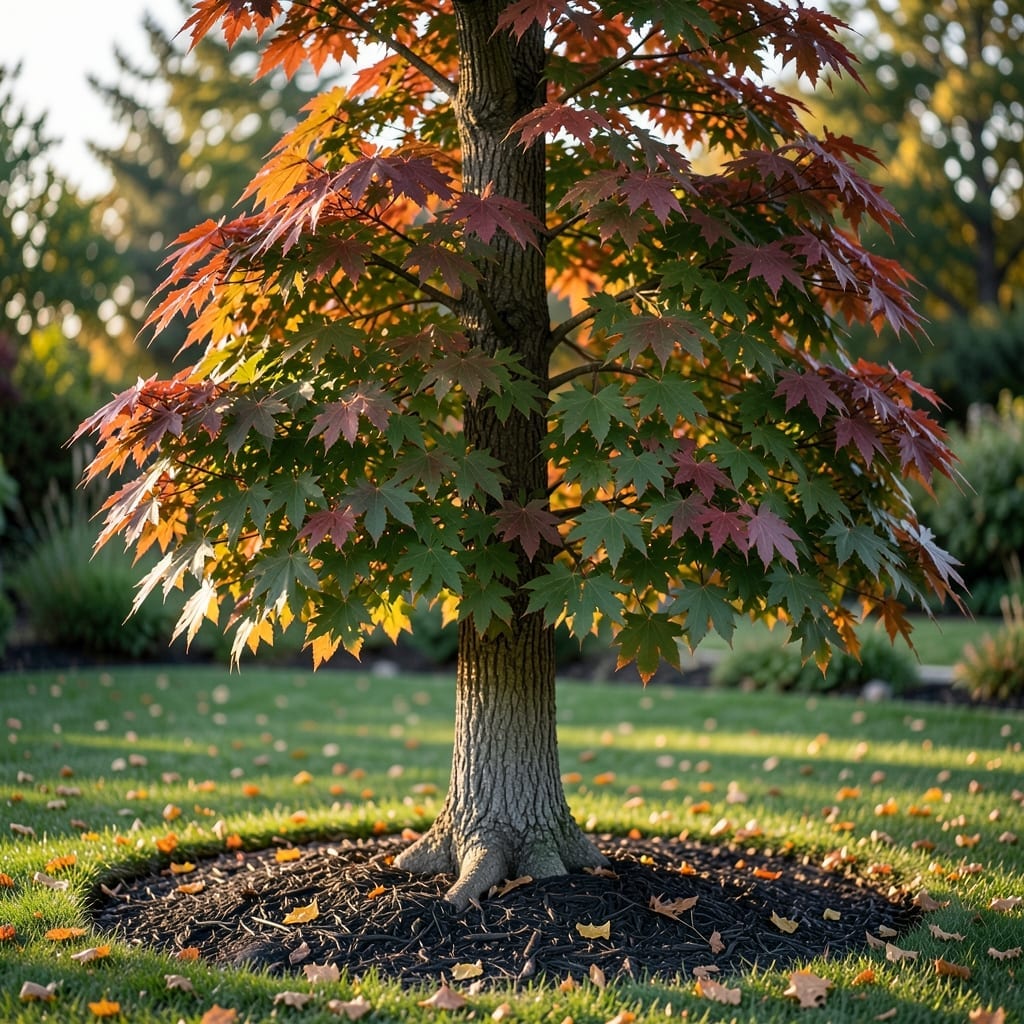
Leaves change color due to chlorophyll breakdown, revealing hidden pigments like carotenoids and anthocyanins as daylight shortens and temperatures drop in autumn.
This transformation happens as trees prepare for winter dormancy. The green chlorophyll that dominates during growing seasons fades, uncovering the yellow and orange carotenoids always present in leaves. Meanwhile, cooler nights trigger production of red anthocyanins in some species like maples. 🌟
What’s fascinating is how each tree species has its own color signature based on its unique pigment composition and response to environmental cues.
💡 In This Article
The breakdown of chlorophyll begins when trees sense shorter days through photoperiodism. This green pigment, which dominates during spring and summer, requires constant sunlight and warm temperatures to regenerate. As daylight hours drop below 12 hours, production slows and existing chlorophyll degrades, typically over 2-3 weeks in most deciduous species. 🌟
With chlorophyll fading, previously masked pigments become visible. Carotenoids, always present in leaves but overshadowed by green, produce yellow and orange hues. These compounds, also found in carrots and corn, are more stable than chlorophyll and persist longer.
Simultaneously, some trees like maples and oaks begin producing anthocyanins—red and purple pigments that weren’t present during the growing season.
Temperature plays a crucial role in this transformation. Cool nights (40-50°F) combined with sunny days create optimal conditions for anthocyanin production. This is why autumns with warm days and crisp nights produce the most spectacular color displays.
The sugar trapped in leaves during these conditions triggers the red pigment synthesis, giving us those vibrant maple reds. ⚡
The process varies by species. Oaks often turn brown due to tannins in their leaves, while aspens reliably produce golden yellow from their carotenoids. Even within a single tree, you might see multiple colors as different pigments dominate in various leaves. This variation creates the stunning mosaic we associate with fall foliage.
What’s happening at the cellular level is equally fascinating. As chlorophyll breaks down, the tree begins reabsorbing valuable nutrients from the leaves. The green pigment contains nitrogen, which the tree stores in its roots for next spring’s growth. This nutrient recycling is why leaves change color before falling—it’s nature’s efficient way of conserving resources. 💫
Red leaves get their color from anthocyanins, which trees produce in sunny days and cool nights. Yellow leaves reveal carotenoids that were always present but hidden by chlorophyll.
No, evergreens like pines keep their needles year-round, while deciduous trees like maples and oaks shed leaves after their color change.
Most trees complete their color transformation in 2-3 weeks once triggered by shorter days and cooler temperatures. The timing varies by species and climate.
A dry summer followed by a sunny autumn with cool nights (40-50°F) produces the most vibrant colors. Too much rain or early frost can dull the display.
Trees shed leaves to conserve water and energy during winter. The color change happens as the tree reabsorbs nutrients before the leaves drop.