
Beautiful Plants For Your Interior
Beautiful Plants For Your Interior
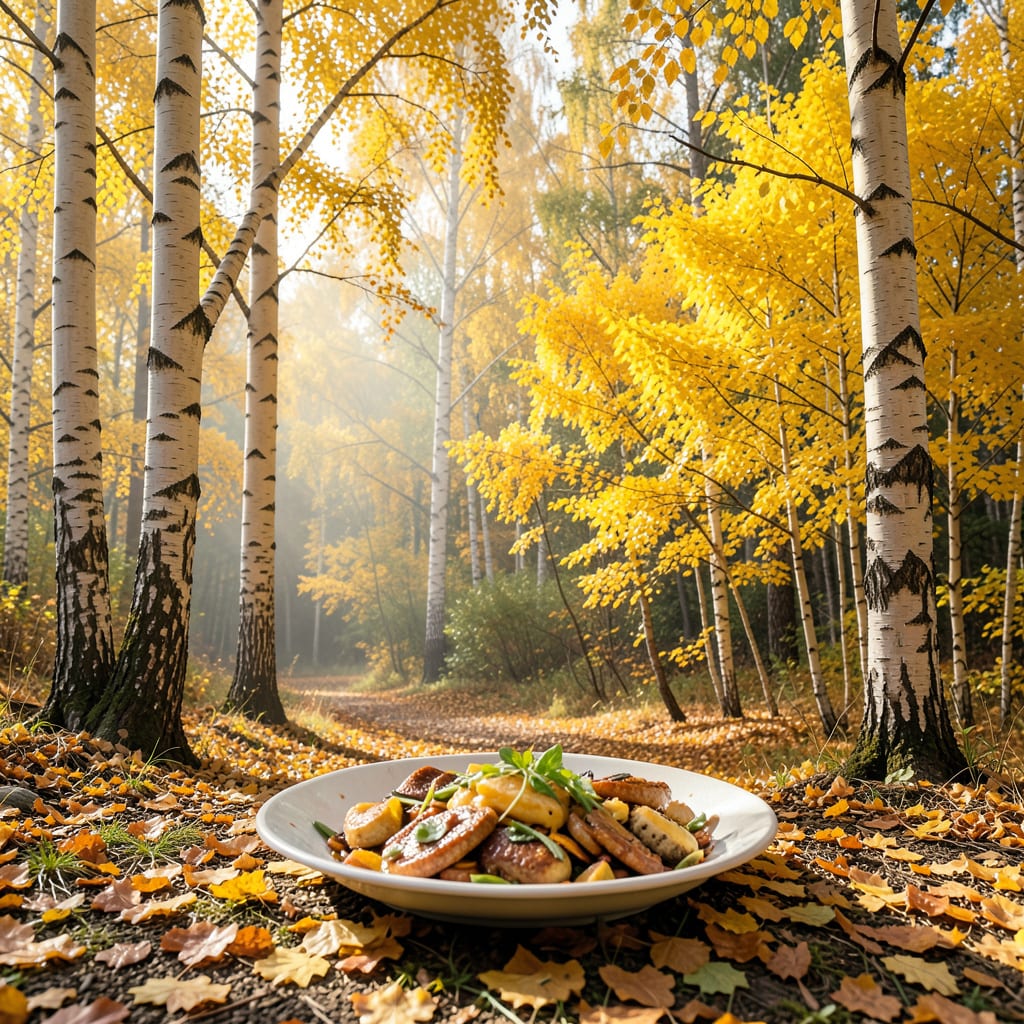
Watching a tree ignite in golden foliage never fails to stop me in my tracks. There’s something about that first crisp fall morning when the leaves shift from green to a shocking yellow that feels like nature’s own fireworks display.
I’ve planted my fair share of trees chasing that perfect autumn glow. The right species—think birch, ginkgo, or hickory—can turn your yard into a living postcard when the season changes. No special tricks, just good timing and the right picks.
You’ll get the best color in full sun, with trees that have had a healthy growing season. The payoff comes in October when your landscape lights up with vibrant yellows that make neighbors slow down as they drive by.
Works in most climates, from northern forests to southern suburbs. Here’s how to bring that fall magic home.
The vibrant yellow leaves of fall are a result of fascinating biological and environmental processes. Here’s why it happens:
During the growing season, trees produce chlorophyll, the green pigment that helps them capture sunlight for photosynthesis. As days shorten and temperatures drop in autumn, trees slow down chlorophyll production. Without it, the green fades, revealing the yellow and orange pigments—xanthophylls and carotenoids—that were hidden beneath the green all along.
In some trees, like maples and sweetgums, cool nights and sunny days trigger sugar accumulation in the leaves. This sugar boosts the production of anthocyanins, which create red and purple hues. However, in trees that turn yellow, such as birches and aspens, the lack of anthocyanins allows the existing yellow pigments to shine through.
Temperature, sunlight, and moisture levels play a big role. A series of warm days and cool (but not freezing) nights breaks down chlorophyll most effectively. Drought or extreme heat can delay or mute the color change, while an early frost may cause leaves to drop prematurely. Trees like hickories and poplars rely on these conditions to reveal their golden fall foliage.
If your trees aren’t showing off their golden fall colors as expected, here’s how to troubleshoot and fix common issues:
Yellowing leaves outside of autumn may signal a lack of nitrogen or iron. Use a balanced tree fertilizer (10-10-10 or 20-20-20) in early spring or late fall. For iron deficiency, apply chelated iron to the soil. Prevention tip: 💡 Test soil annually and amend as needed to maintain nutrient levels.
Too much or too little water can stress trees, causing premature yellowing. Ensure the soil is moist but well-drained. Water deeply once a week during dry spells, and reduce frequency if the soil stays soggy. Prevention tip: ✨ Mulch around the base to retain moisture and regulate soil temperature.
Pests like aphids, spider mites, or borers can weaken trees, leading to discolored leaves. Inspect leaves and bark for signs of damage or insects. Treat with neem oil or insecticidal soap for mild infestations, or consult an arborist for severe cases. Prevention tip: 🎯 Encourage beneficial insects (e.g., ladybugs) by planting companion flowers.
Extreme heat, cold snaps, or pollution can stress trees. Shield young or sensitive trees with burlap wraps in winter. For heat stress, ensure they receive afternoon shade if possible. Prevention tip: 🌡️ Choose native tree species adapted to your climate for long-term resilience.
As days shorten, chlorophyll breaks down, revealing hidden yellow pigments called xanthophylls and carotenoids. Cool nights and sunny days speed up this change, making the colors pop.
Look for birch, aspen, ginkgo, and hickory trees. These species reliably produce stunning golden displays each season with proper sunlight and care.
Yes! A series of warm days and cool nights produces the most vivid colors. Drought or early frost can mute or delay the change, resulting in duller foliage.
Most do best with 6+ hours of sunlight daily. Shade-tolerant varieties like some maples still turn yellow but may be less intense. For best results, plant in well-lit areas.
