
Beautiful Plants For Your Interior
Beautiful Plants For Your Interior
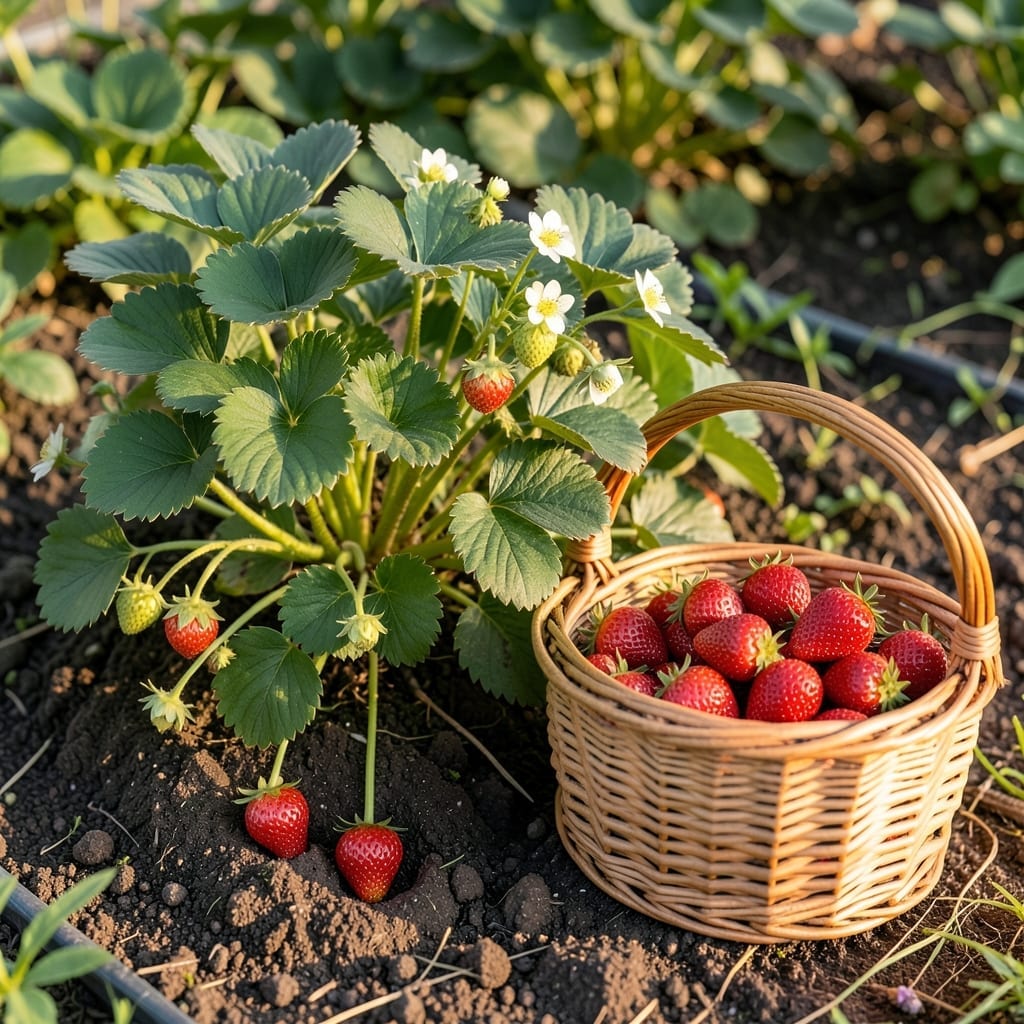
Did you know you can enjoy fresh 🍓 almost year-round with the right strategy? Many gardeners assume strawberries are just a spring and summer crop, but that couldn’t be further from the truth.
By understanding the unique growing patterns of different strawberry varieties, you can extend your harvest well beyond the traditional seasons. It’s all about timing and technique.
I’ll show you exactly how to plan your planting schedule to get the most out of your strawberry patch, no matter the season. Let’s dive into the secrets of year-round strawberry success.
Understanding strawberry growing seasons is key to maximizing your harvest. Different varieties thrive in different seasons, and knowing these patterns lets you plan for continuous production throughout the year.
Each type of strawberry—June-bearing, everbearing, and day-neutral—has unique planting windows and harvest timelines that align with specific seasons. Let’s break it down by variety and season to help you get the most from your garden. 🌱
| Variety | Planting Window | Harvest Time | Climate Considerations |
|---|---|---|---|
| June-bearing | Early spring | Late spring to early summer | Needs cold winters for dormancy |
| Everbearing | Spring and fall | Spring, summer, and fall | Tolerates mild winters |
| Day-neutral | Spring to early summer | All season | Thrives in cooler climates |
June-bearing strawberries are the classic variety, producing one large harvest in late spring or early summer. They’re best planted in early spring, as soon as the soil is workable, and require a period of cold dormancy to produce well.
Everbearing strawberries offer more flexibility, producing multiple smaller harvests throughout the growing season. These can be planted in spring or fall, depending on your climate, and are ideal for gardeners looking for extended production. 🌿
Day-neutral strawberries are the most versatile, producing fruit continuously as long as temperatures stay between 40°F and 90°F. They’re perfect for cooler climates and can be planted from spring through early summer.
For fall planting, focus on everbearing or day-neutral varieties. These can establish roots before winter and produce an early harvest the following spring. Just ensure they’re planted at least 4-6 weeks before the first frost.
In mild winter climates, some everbearing and day-neutral varieties can produce a light harvest even in winter, especially with the protection of row covers or mulch. This is a great way to enjoy fresh strawberries year-round.
No matter the season, soil preparation is critical. Strawberries thrive in well-draining, slightly acidic soil with a pH between 5.5 and 6.5. Amend your soil with compost before planting to give your strawberries the best start. ✂️
Finally, remember that consistent watering is essential, especially during fruit production. Aim for 1 inch of water per week, either from rainfall or irrigation, to keep your plants healthy and productive.
With the right techniques, you can enjoy fresh strawberries far beyond the traditional spring and summer harvest. I’ve found that succession planting is one of the most effective ways to keep the berries coming.
By staggering your planting times and choosing the right varieties, you can create a continuous harvest that spans from early summer through fall. Let’s explore how to make this happen in your garden. 🌱
Succession planting involves planting new strawberry plants every 2-3 weeks during the growing season. This ensures a steady supply of berries rather than one large harvest.
For fall harvests, plant everbearing or day-neutral varieties in late summer. These will establish roots quickly and produce a crop before winter sets in. Just be sure to water consistently to help them get established.
In mild winter climates, you can even coax a few berries from your plants with the help of protective covers. Row covers or cold frames can provide just enough warmth to keep plants producing.
Container gardening is another great way to extend the season. By growing strawberries in pots, you can move them to sheltered locations during extreme weather, giving you more control over their environment. ☀️
Finally, don’t forget to feed your plants throughout the growing season. A balanced fertilizer applied every 4-6 weeks will keep them healthy and productive, no matter the season. ✂️