
Beautiful Plants For Your Interior
Beautiful Plants For Your Interior
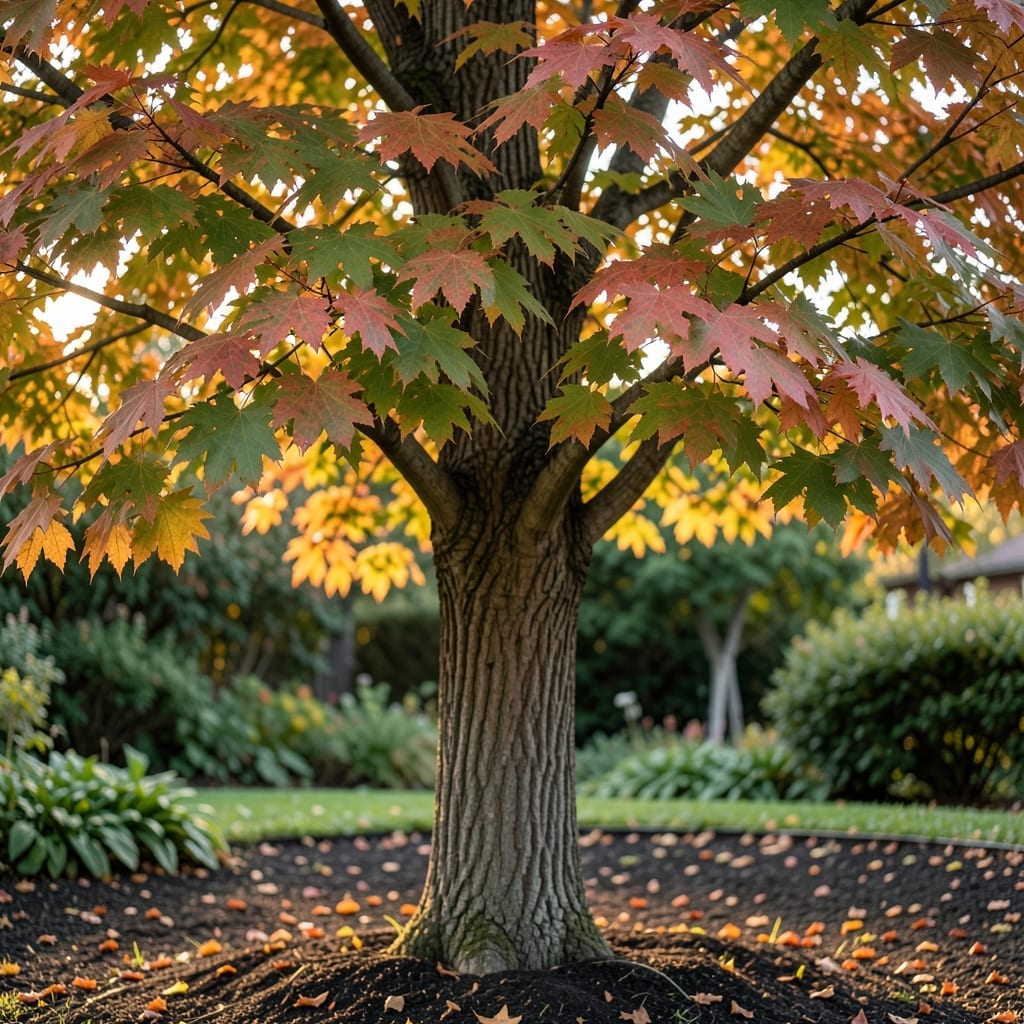
Leaves fall due to seasonal changes, stress, disease, or natural aging. Deciduous trees shed foliage in autumn to conserve energy, while evergreens may drop leaves year-round due to environmental factors.
I’ve noticed trees often respond to shorter daylight hours by producing less chlorophyll, which triggers the color change and eventual drop. 🌟 Environmental stressors like drought or soil compaction can also accelerate this process, even outside typical autumn months. Watching for patterns in timing and leaf appearance helps distinguish between natural cycles and potential health issues in your plants.
💡 In This Article
As daylight shortens in autumn, trees detect the seasonal shift through photoreceptors in their leaves. This triggers a hormonal cascade where ethylene gas production increases, signaling the abscission layer—a specialized cell layer at the base of each leaf—to begin forming. This layer acts like a separation zipper, weakening the connection between leaf and stem.
The process starts with chlorophyll breakdown, revealing hidden pigments like carotenoids and anthocyanins. Within 2-3 weeks, the abscission layer completes its work, and the leaf detaches with minimal effort. Temperatures below 50°F accelerate this, while warm spells can delay it. 🌟
Before shedding, trees reabsorb up to 60% of nutrients from leaves, particularly nitrogen and phosphorus. This conservation strategy allows deciduous trees to survive winter dormancy. Evergreens, like pines, retain needles for 2-7 years but shed older ones continuously to maintain efficiency.
Environmental stressors can trigger premature leaf drop. Drought causes stomata to close, reducing photosynthesis by 30-50%. Similarly, soil compaction restricts root oxygen, mimicking autumn signals. Pollution or salt spray can also damage leaf cuticles, accelerating detachment. ✨
This natural recycling system ensures trees maximize resource use. The timing varies by species: maples often peak in early October, while oaks may hold leaves until December. Each tree’s internal clock combines with weather patterns to create the autumn spectacle we observe.
As days shorten, trees reduce chlorophyll production, revealing hidden pigments. Carotenoids create yellows and oranges, while anthocyanins produce reds in response to sunlight and cool 50°F nights. This color shift signals the start of the shedding process.
Yes. Drought stress closes leaf pores, reducing photosynthesis by 30-50%. Trees may shed leaves prematurely to conserve water, often starting with older or damaged foliage. Proper watering can prevent this stress response.
Natural fall occurs gradually with uniform color change. Sudden drop or spotted, curled leaves suggest pests, disease, or water issues. Inspect leaf undersides for insects and check soil moisture for clues.
Deciduous trees like maples and oaks shed all leaves seasonally. Evergreens such as pines retain most needles but drop older ones continuously, typically every 2-7 years. This difference is part of their survival strategies.