
Beautiful Plants For Your Interior
Beautiful Plants For Your Interior
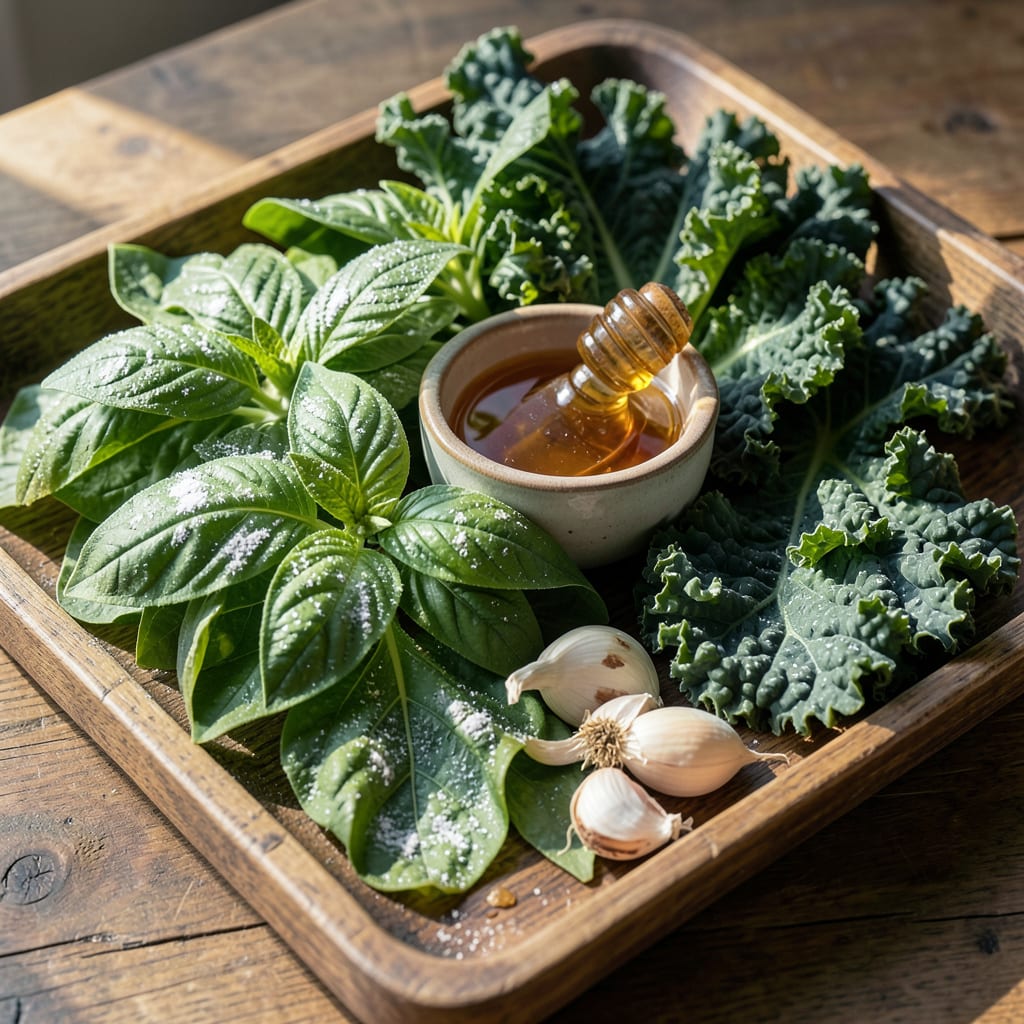
That white dust on your leaves isn’t flour from a baking project. It’s powdery mildew, and I’ve lost too many cucumbers to this fungal party crasher.
High humidity, poor air flow, and crowded plants create the perfect conditions for spores to spread. I learned the hard way that watering leaves in the evening is basically rolling out a welcome mat for this stuff.
You’ll spot it first on upper leaves—white patches that look like someone sprinkled talcum powder. Left unchecked, it spreads fast, weakening plants and stunting growth.
Prevention is simpler than treatment: space plants properly, water at the base, and prune for airflow. A 1 tablespoon baking soda mix per gallon works as a preventative spray.
Powdery mildew thrives under specific conditions, often tied to environmental factors and plant health. Here’s a breakdown of the primary causes:
This fungus flourishes in dry foliage but high humidity (60–80%). Unlike other fungi, powdery mildew doesn’t need wet leaves to spread—just moist air. Poor air circulation traps humidity around plants, creating the perfect breeding ground.
Dense plantings restrict airflow, allowing spores to settle and multiply. Prune regularly and space plants properly to reduce shading and improve ventilation, especially in greenhouses or shaded gardens.
Powdery mildew spores germinate best in moderate temperatures (60–80°F). Cool nights followed by warm days (common in spring/fall) accelerate growth. Avoid overhead watering in the evening to limit temperature-driven spore activity.
Ironically, underwatered plants are more susceptible. Stress weakens their defenses, making them prone to infection. Maintain consistent soil moisture (not soggy) to keep plants resilient.
Some plants, like roses, cucumbers, and squash, are genetically vulnerable. Check for disease-resistant cultivars when planting, and monitor high-risk species closely for early signs (white powdery spots).
Addressing these triggers—improving airflow, managing humidity, and choosing resistant plants—can drastically reduce outbreaks.
Powdery mildew can be stubborn, but these targeted fixes will help you reclaim your garden’s health. Address each cause directly for the best results.
Trim overcrowded leaves and space plants farther apart to boost airflow. For indoor plants, use a small fan on low to keep air moving. Prevention tip: Prune regularly to avoid dense foliage that traps moisture.
Water plants at the base in the morning so leaves dry quickly. Avoid overhead watering, and use a dehumidifier indoors if needed. Prevention tip: Choose resistant varieties like mildew-resistant roses or cucumbers.
Move potted plants to a spot with consistent temps, or use row covers outdoors to buffer extreme shifts. Prevention tip: Mulch soil to regulate root temperature and reduce stress.
Apply a baking soda spray (1 tbsp baking soda + 1 tsp dish soap + 1 gallon water) weekly to affected leaves. For severe cases, use neem oil or sulfur-based fungicides. Prevention tip: Fertilize wisely—overfeeding nitrogen can soften growth, making plants more vulnerable.
💡 Pro tip: Remove and destroy heavily infected leaves or plants to prevent spores from spreading. Always sanitize pruning tools with rubbing alcohol between cuts!
Yes, spores travel easily through wind and water. Isolate infected plants immediately and avoid working with them when foliage is wet to prevent further contamination.
No, it thrives in 60–80°F but can occur in cooler temps too. Spring and fall are prime seasons due to temperature swings and high humidity.
Rarely, but it weakens them by reducing photosynthesis. Severe cases may cause leaf drop or stunted growth. Act fast with treatments to minimize damage.
A baking soda spray (1 tbsp per gallon of water + soap) works as a mild fungicide. Apply weekly for prevention or at first signs of infection.
