
Beautiful Plants For Your Interior
Beautiful Plants For Your Interior
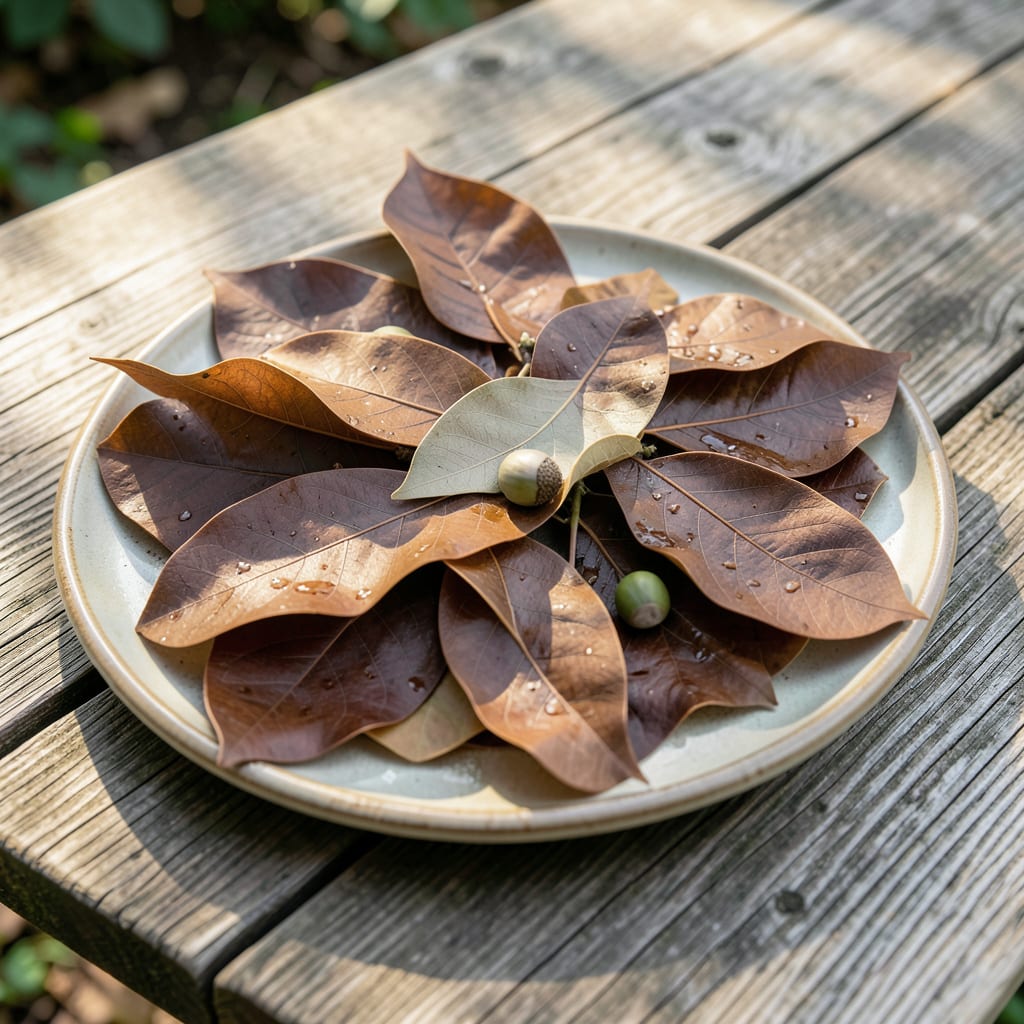
Brown leaves on your magnolia aren’t just unsightly—they’re shouting for help. I’ve seen this in my own garden, and the fix starts with figuring out whether it’s thirst, hunger, or something more sinister.
Drought stress shows up first, but nutrient deficiencies and fungal issues can mimic the same symptoms. The key is checking soil moisture 2-3 inches down and looking for patterns in the browning.
Once you know the cause, solutions are straightforward: adjust watering, amend the soil, or treat with fungicide. Most magnolias bounce back within 2-3 weeks of the right care.
Prevention is simpler than cure. Consistent watering, mulching, and annual soil tests keep these trees thriving for decades. Let’s get to the root of the problem.
Brown leaves on your magnolia tree are a distress signal, often tied to environmental or care-related stressors. Below are the most frequent culprits, explained with actionable insights.
Magnolias thrive in moderate climates. Sudden frosts or prolonged heatwaves can scorch leaves, turning them brown. In winter, cold snaps damage tender tissues, while summer heat accelerates water loss, leading to leaf scorching. Solution: Mulch heavily in winter and provide afternoon shade in extreme heat.
Both overwatering and underwatering trigger browning. Too much water suffocates roots, reducing oxygen uptake, while drought stress disrupts nutrient transport. Check soil moisture 2 inches deep—dry? Water deeply; soggy? Improve drainage. Pro tip: Magnolias prefer consistently moist (not waterlogged) soil.
A lack of magnesium or iron often causes interveinal browning (yellowing between veins). Magnolias need acidic soil (pH 5.0–6.5) to absorb these nutrients. Fix: Apply chelated iron or Epsom salts (for magnesium) and test soil pH. Amend with sulfur if the pH is too high.
Scale insects and bacterial leaf spot can cause brown patches. Scale feeds on sap, weakening the tree, while bacteria create necrotic spots. Action: Spray horticultural oil for pests; remove and destroy infected leaves to curb bacterial spread.
If your magnolia tree’s leaves are turning brown, don’t panic—there are practical fixes for every cause. Here’s how to diagnose and solve the issue, along with prevention tips to keep your tree thriving.
Fix: Check the soil 2 inches down. If it’s bone-dry, water deeply (1–2 inches per week) to encourage root growth. If soggy, hold off watering and improve drainage by amending the soil with compost or sand. For potted magnolias, ensure the container has drainage holes.
Prevent: Mulch around the base (2–4 inches deep) to retain moisture without waterlogging. 💡 Pro tip: Use a moisture meter to avoid guesswork.
Fix: Test your soil for deficiencies (kits are available at garden centers). For iron or magnesium shortages (common culprits), apply chelated iron or Epsom salt (1 tablespoon per gallon of water) as a foliar spray. For nitrogen deficiency, use a balanced fertilizer (10-10-10) in early spring.
Prevent: Feed your magnolia annually with a slow-release fertilizer designed for acid-loving plants. ✨ Bonus: Avoid over-fertilizing—it can burn roots and worsen browning.
Fix: If leaves scorch from too much sun, provide afternoon shade with a shade cloth or plant taller companions nearby. For cold damage, prune dead branches in late winter and apply a layer of mulch to insulate roots. In windy areas, use a windbreak like a fence or shrub barrier.
Prevent: Plant magnolias in a sheltered spot with dappled sunlight. Young trees may need extra protection (e.g., burlap wraps in winter).
Fix: Inspect leaves for pests like scale or aphids. Blast them off with water or apply insecticidal soap. For fungal issues (e.g., leaf spot), remove affected leaves and treat with a copper-based fungicide.
Prevent: Keep the area clean—rake up fallen leaves and debris to reduce disease risk. 🎯 Regularly inspect your tree for early signs of trouble.
Water deeply 1-2 times per week, ensuring the soil stays moist 2-3 inches down. Avoid soggy conditions, as overwatering can suffocate roots and worsen browning.
Yes, sudden frost or prolonged cold can scorch leaves. Protect young trees with burlap wraps and mulch heavily around the base to insulate roots in winter.
Remove infected leaves immediately and apply a copper-based fungicide. Always rake up fallen debris to prevent the fungus from spreading.
Apply chelated iron as a foliar spray or soil drench. Test soil pH first—magnolias need acidic soil (pH 5.0–6.5) to absorb iron properly.
