
Beautiful Plants For Your Interior
Beautiful Plants For Your Interior
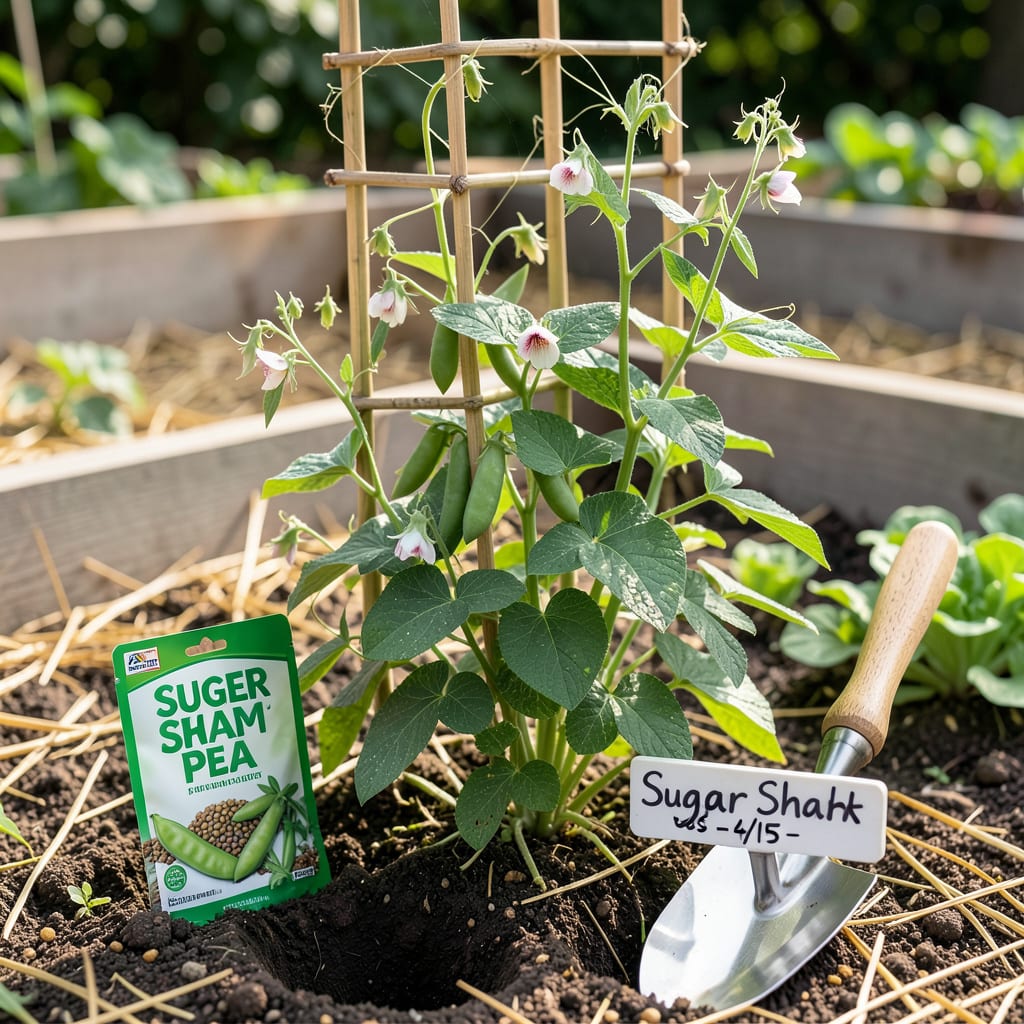
There’s nothing quite like the crisp, sweet crunch of homegrown Sugar Snap Peas—but in Zone 7, timing your planting wrong means missing out entirely. Plant too late in spring, and scorching heat turns tender pods into tough shells. Go too early in fall, and frost nips your harvest before it begins.
I’ve tested the perfect windows for two bountiful harvests each year, and the difference is staggering. Whether you’re a first-time gardener or looking to refine your approach, I’ll show you exactly when to get those seeds in the ground—for pods so sweet, you’ll eat them straight off the vine.
If you’re growing sugar snap peas in Zone 7, timing is your secret weapon. These cool-season crops thrive when temperatures are mild—too hot, and they’ll stop producing; too cold, and seeds may rot. I’ve found the sweet spot lies in two key windows: early spring and late summer/fall. 🌱
Zone 7’s last frost date (around April 15) and first frost date (near October 15) are your guideposts. Plant 4–6 weeks before the last frost in spring or 6–8 weeks before the first frost in fall. This ensures your peas mature before extreme heat or cold sets in. ☀️
For spring planting, I aim to get seeds in the ground by mid-March at the latest. This gives peas enough time to mature before summer heat (above 80°F) shuts down their production. If you miss this window, don’t worry—fall planting is often even more reliable in Zone 7. 🌿
The fall window (late August to early September) is my favorite because the soil is still warm from summer, speeding up germination, while cooler air temperatures extend the harvest. Just be sure to soak seeds overnight before planting—this can shave 3–5 days off germination time in drying fall soils. 💧
Soil temperature is another critical factor. Sugar snap peas germinate best when soil is 40–75°F. In Zone 7, spring soils often hit this range by late February, while fall soils stay warm until October. Use a soil thermometer to check—if it’s too cold, seeds may rot; too hot, and they’ll struggle to sprout. 🌡️
Don’t forget about day length! Peas are long-day plants, meaning they flower best when days lengthen in spring or shorten in fall. Planting in midsummer (June–July) is risky because short days and high temps can lead to poor pod set or bitter-tasting peas. Stick to the shoulder seasons for best results. ⏰
If you’re eager to extend the season, succession planting works wonders. Sow a new batch every 2 weeks during your planting window. For example, in spring, plant on March 1, March 15, and April 1. This staggers your harvest and prevents a glut of peas all at once. ✅
For fall crops, I like to use low tunnels or row covers to protect young plants from unexpected early frosts. Varieties like ‘Sugar Sprint’ (early maturing) or ‘Super Sugar Snap’ (heat-tolerant) are great choices for Zone 7’s variable fall weather. Pair them with carrots or radishes as companions—they won’t compete for nutrients! 🌻
Finally, remember that sugar snap peas are climbing plants—they’ll need a trellis or cage (4–6 feet tall) to support their vines. Skipping this step leads to tangled plants, poor air circulation, and fewer pods. Set up supports at planting time to avoid disturbing roots later. ✂️
Getting a single harvest of sugar snap peas is great, but why stop there? In Zone 7, you can stretch your pea season with a few smart strategies. I’ve tested these methods in my own garden, and they’ve doubled—sometimes tripled—my harvests. The key is working with succession planting and microclimate tricks. 🌱
First, stagger your plantings every 10–14 days during the optimal windows. For spring, that means sowing seeds on March 1, March 15, and April 1. This ensures you’re not overwhelmed with peas all at once and extends your harvest by 4–6 weeks. Fall plantings can follow a similar schedule in late August and early September. ⏰
Another game-changer is trellising. Sugar snap peas grow vertically, and a 4–6-foot trellis keeps vines off the ground, improving air circulation and reducing disease risk. I use bamboo stakes with netting—it’s affordable and reusable. Without support, plants become a tangled mess, and pod production drops by 30% or more. ✂️
Don’t overlook soil prep. Sugar snap peas thrive in well-draining soil with a pH of 6.0–7.5. Before planting, I mix in 1–2 inches of compost and a balanced fertilizer (like 5-10-10). Avoid high-nitrogen fertilizers—they’ll give you lush vines but fewer pods. A light side-dressing of compost when vines reach 6 inches tall keeps them productive. 🌿
Watering consistency is critical, especially in fall plantings. Peas need 1 inch of water per week, but drying fall winds can sap moisture fast. I use drip irrigation on a timer to keep soil evenly moist—never soggy. Mulching with straw helps retain moisture and suppresses weeds. If you’re hand-watering, do it in the early morning to reduce evaporation and fungal risks. 💧
Finally, harvest frequently—every 2–3 days once pods start forming. The more you pick, the more the plant will produce. Use two hands: one to hold the vine, one to snap the pod. Overripe pods left on the plant signal it to stop producing, so stay on top of it! A well-tended pea plant in Zone 7 can yield 2–3 pounds of pods over its season. 🌻
Even experienced gardeners can stumble when growing sugar snap peas in Zone 7. The biggest pitfall? Ignoring temperature extremes. I’ve seen peas fail when planted too late in spring (heat stress) or too early in fall (frost damage). Let’s fix that before you even put seeds in the ground. 🌱
One of the most common errors is overwatering. Peas hate soggy roots, and waterlogged soil leads to rot. Stick to 1 inch of water per week, and always water in the early morning to let foliage dry before evening. Drip irrigation or soaker hoses work best—they keep leaves dry and prevent fungal diseases. 💧
Another critical mistake is planting in poor soil. Sugar snap peas need well-draining, loose soil with a pH of 6.0–7.5. Heavy clay or compacted soil suffocates roots and stunts growth. Before planting, I mix in 2–3 inches of compost and a handful of sand if my soil is clay-heavy. 🌿
Pests are a silent killer in Zone 7. Aphids and pea weevils can decimate a crop overnight. I check plants every 2–3 days for clusters of aphids on new growth or notched leaves (a sign of weevils). A sharp blast from the hose knocks off aphids, while neem oil spray handles heavier infestations. Row covers at planting time prevent weevils entirely. ✂️
Finally, don’t overlook crop rotation. Planting peas in the same spot year after year invites soil-borne diseases like fusarium wilt. I rotate my pea beds every 2–3 years, following them with non-legume crops like lettuce or brassicas. If space is tight, solarize the soil in summer by covering it with clear plastic for 4–6 weeks to kill pathogens. 🌻
Planting after mid-March in Zone 7 risks heat stress once temperatures climb above 75°F. The plants may flower poorly or produce tough, bitter pods. For best results, aim to harvest before summer heat arrives.
Choose a container at least 12 inches deep with drainage holes. Use a trellis or cage for support, as vines grow 4-6 feet tall. Container-grown peas need more frequent watering—check soil moisture daily.
Use a soil thermometer to check temperatures at 2-inch depth. Ideal range is 40-75°F. In Zone 7, spring soils typically reach this by late February, while fall soils stay warm through September.
Harvest when pods are 2-3 inches long and snap crisply. Pick every 2-3 days to encourage more production. Fall-grown peas often taste sweeter than spring crops due to cooler temperatures during maturation.
A light feeding at planting is sufficient. Use a 5-10-10 fertilizer (1 tbsp per plant) to support root development. Avoid heavy nitrogen, which promotes foliage over pods. Fall soils are often nutrient-rich from summer composting.
